
Most ebook files are in PDF format, so you can easily read them using various software such as Foxit Reader or directly on the Google Chrome browser.
Some ebook files are released by publishers in other formats such as .awz, .mobi, .epub, .fb2, etc. You may need to install specific software to read these formats on mobile/PC, such as Calibre.
Please read the tutorial at this link. https://ebooknice.com/page/post?id=faq
We offer FREE conversion to the popular formats you request; however, this may take some time. Therefore, right after payment, please email us, and we will try to provide the service as quickly as possible.
For some exceptional file formats or broken links (if any), please refrain from opening any disputes. Instead, email us first, and we will try to assist within a maximum of 6 hours.
EbookNice Team
Status:
Available4.4
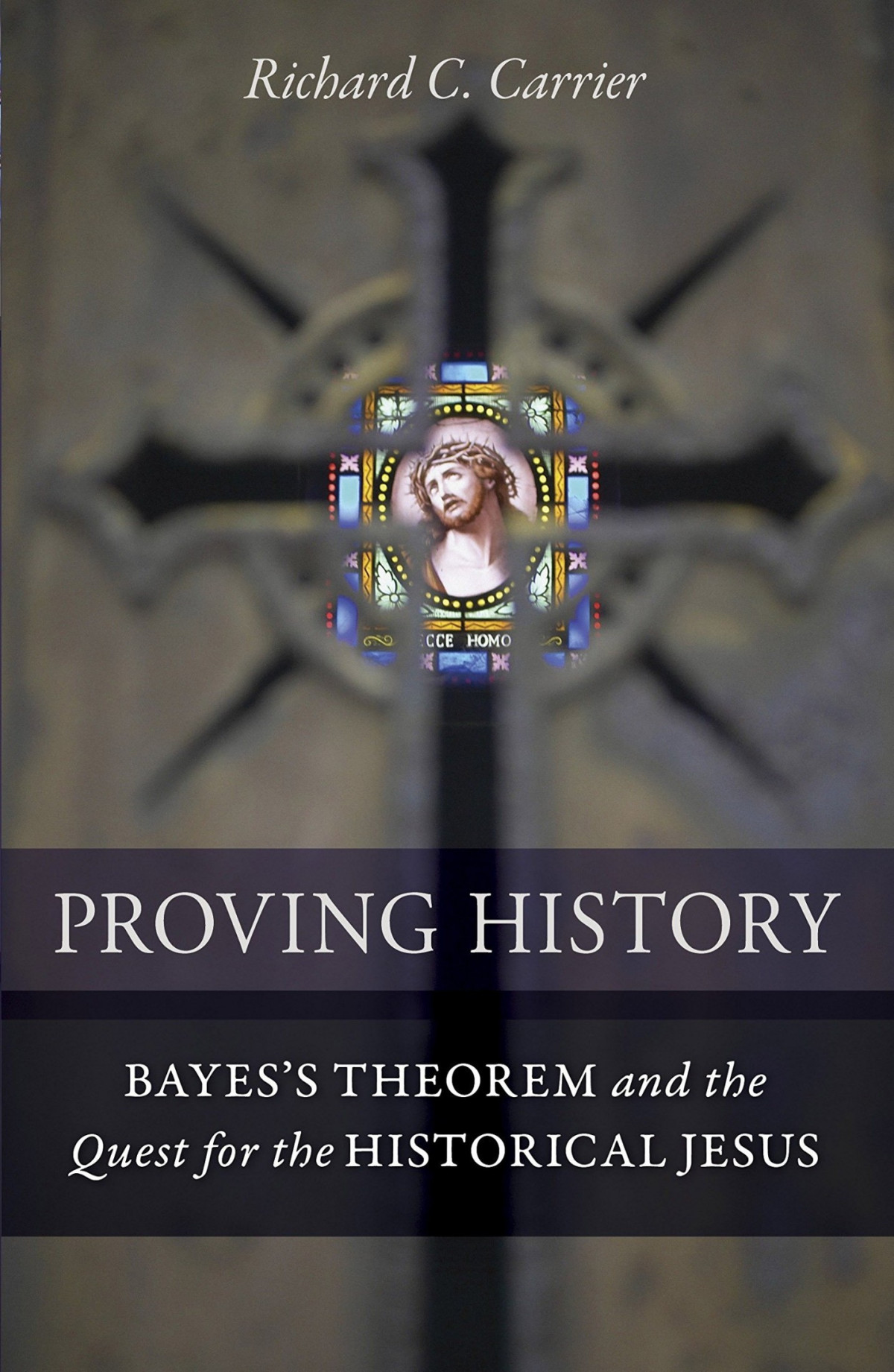
12 reviewsThis in-depth discussion of New Testament scholarship and the challenges of history as a whole proposes Bayes’s Theorem, which deals with probabilities under conditions of uncertainty, as a solution to the problem of establishing reliable historical criteria. The author demonstrates that valid historical methods—not only in the study of Christian origins but in any historical study—can be described by, and reduced to, the logic of Bayes’s Theorem. Conversely, he argues that any method that cannot be reduced to this theorem is invalid and should be abandoned. Writing with thoroughness and clarity, the author explains Bayes’s Theorem in terms that are easily understandable to professional historians and laypeople alike, employing nothing more than well-known primary school math. He then explores precisely how the theorem can be applied to history and addresses numerous challenges to and criticisms of its use in testing or justifying the conclusions that historians make about the important persons and events of the past. The traditional and established methods of historians are analyzed using the theorem, as well as all the major "historicity criteria" employed in the latest quest to establish the historicity of Jesus. The author demonstrates not only the deficiencies of these approaches but also ways to rehabilitate them using Bayes’s Theorem. Anyone with an interest in historical methods, how historical knowledge can be justified, new applications of Bayes’s Theorem, or the study of the historical Jesus will find this book to be essential reading.
4.9
32 reviews
4.8
17 reviews
5.0
26 reviews
4.8
20 reviews
4.5
35 reviews
5.0
8 reviews
4.7
17 reviews
4.9
36 reviews
4.9
18 reviews