Most ebook files are in PDF format, so you can easily read them using various software such as Foxit Reader or directly on the Google Chrome browser.
Some ebook files are released by publishers in other formats such as .awz, .mobi, .epub, .fb2, etc. You may need to install specific software to read these formats on mobile/PC, such as Calibre.
Please read the tutorial at this link. https://ebooknice.com/page/post?id=faq
We offer FREE conversion to the popular formats you request; however, this may take some time. Therefore, right after payment, please email us, and we will try to provide the service as quickly as possible.
For some exceptional file formats or broken links (if any), please refrain from opening any disputes. Instead, email us first, and we will try to assist within a maximum of 6 hours.
EbookNice Team
Status:
Available4.7
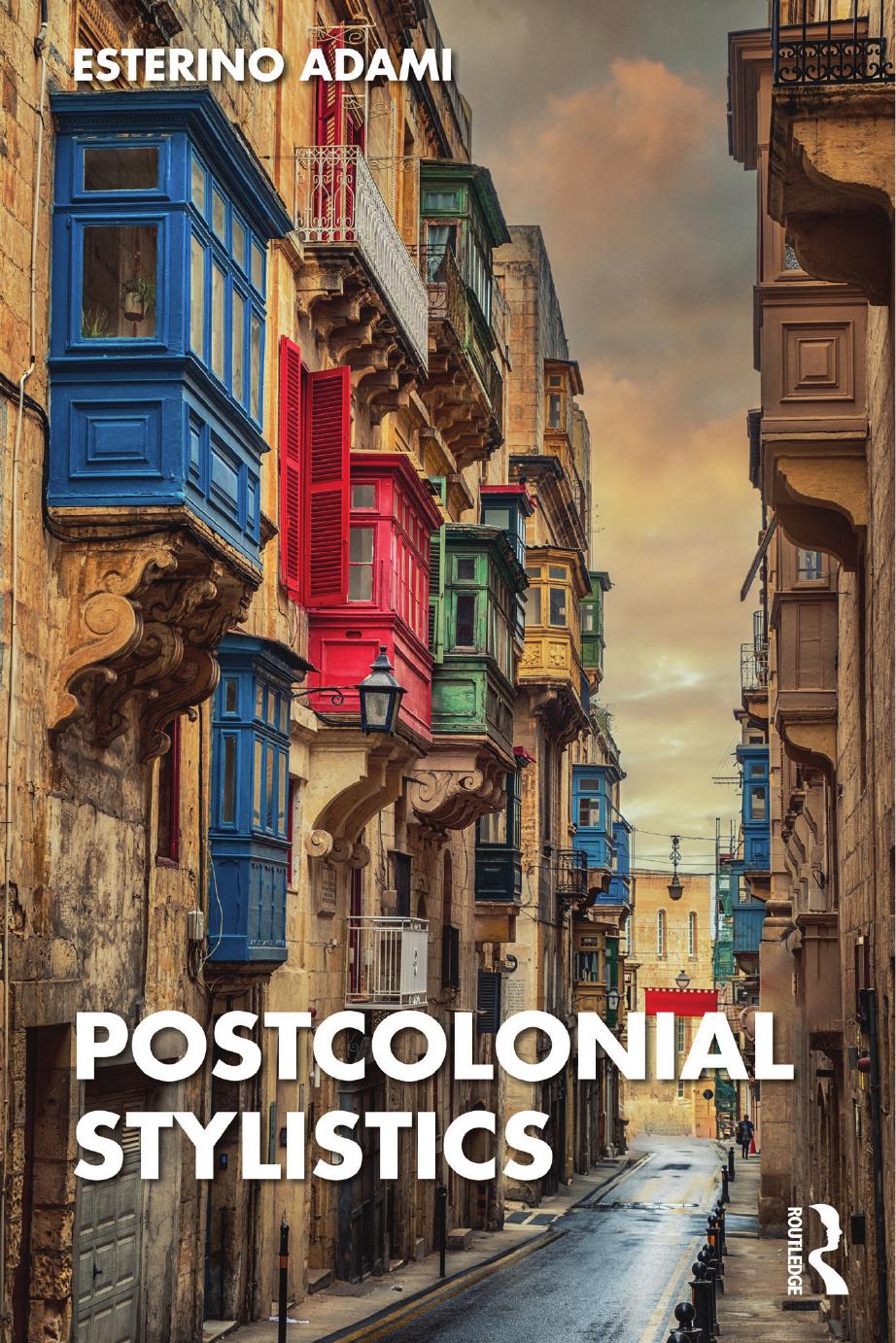
31 reviewsStructured around the five keywords of Language, Identity, Belonging, History, and Ecology, the book:
+ sheds light on the way in which writers from a range of former colonial territories have creatively drawn from such thematic areas to construct complex and committed discourses
+ shows how a rigorous linguistic analysis can help reach a better understanding of the rhetorical mechanisms and cultural dynamics operating in these works
+ underlines how meaning is generated from the interaction between author, reader, and context; how narratives shape and propagate a specific worldview; and how metaphor can convey social and political values
+ expands on each keyword by considering texts of different typology such as fiction, poetry, drama, and non-fiction, accompanied by activities and references
+ includes historical and literary postcolonial timelines and an index of names and topics
Comprehensive in its coverage and assuming no prior knowledge of the topics considered, the book adopts an interactive and activity-based approach to develop readers’ understanding of linguistic structures and forms through postcolonial texts. Offering a new interdisciplinary perspective, this is essential reading for students new to stylistics and postcolonial literature.
4.7
24 reviews
4.7
30 reviews
4.4
37 reviews
4.3
13 reviews