logo
Product categories

EbookNice.com

Most ebook files are in PDF format, so you can easily read them using various software such as Foxit Reader or directly on the Google Chrome browser.
Some ebook files are released by publishers in other formats such as .awz, .mobi, .epub, .fb2, etc. You may need to install specific software to read these formats on mobile/PC, such as Calibre.

Please read the tutorial at this link.  https://ebooknice.com/page/post?id=faq


We offer FREE conversion to the popular formats you request; however, this may take some time. Therefore, right after payment, please email us, and we will try to provide the service as quickly as possible.


For some exceptional file formats or broken links (if any), please refrain from opening any disputes. Instead, email us first, and we will try to assist within a maximum of 6 hours.

EbookNice Team
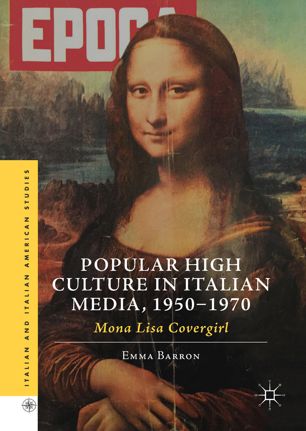
(Ebook) Popular High Culture in Italian Media, 1950–1970: Mona Lisa Covergirl by Emma Barron ISBN 9783319909622, 9783319909639, 3319909622, 3319909630

  • SKU: EBN-7322516
Zoomable Image
$ 32 $ 40 (-20%)

Status:

Available

4.7

13 reviews
Instant download (eBook) Popular High Culture in Italian Media, 1950–1970: Mona Lisa Covergirl after payment.
Authors:Emma Barron
Year:2018
Editon:1st ed.
Publisher:Springer International Publishing;Palgrave Macmillan
Language:english
File Size:5.15 MB
Format:pdf
ISBNS:9783319909622, 9783319909639, 3319909622, 3319909630
Categories: Ebooks

Product desciption

(Ebook) Popular High Culture in Italian Media, 1950–1970: Mona Lisa Covergirl by Emma Barron ISBN 9783319909622, 9783319909639, 3319909622, 3319909630

When Mona Lisa smiled enigmatically from the cover of the Italian magazine Epoca in 1957, she gazed out at more than three million readers. As Emma Barron argues, her appearance on the cover is emblematic of the distinctive ways that high culture was integrated into Italy’s mass culture boom in the 1950s and 1960s, a period when popular appropriations of literature, fine art and music became a part of the rapidly changing modern Italian identity. Popular magazines ran weekly illustrated adaptations of literary classics. Television brought opera from the opera house into the homes of millions. Readers wrote to intellectuals and artists such as Alberto Moravia, Thomas Mann and Salvatore Quasimodo by the thousands with questions about literature and self-education. Drawing upon new archival material on the demographics of television audiences and magazine readers, this book is an engaging account of how the Italian people took possession of high culture and transformed the modern Italian identity.
*Free conversion of into popular formats such as PDF, DOCX, DOC, AZW, EPUB, and MOBI after payment.

Related Products