
Most ebook files are in PDF format, so you can easily read them using various software such as Foxit Reader or directly on the Google Chrome browser.
Some ebook files are released by publishers in other formats such as .awz, .mobi, .epub, .fb2, etc. You may need to install specific software to read these formats on mobile/PC, such as Calibre.
Please read the tutorial at this link. https://ebooknice.com/page/post?id=faq
We offer FREE conversion to the popular formats you request; however, this may take some time. Therefore, right after payment, please email us, and we will try to provide the service as quickly as possible.
For some exceptional file formats or broken links (if any), please refrain from opening any disputes. Instead, email us first, and we will try to assist within a maximum of 6 hours.
EbookNice Team
Status:
Available4.8
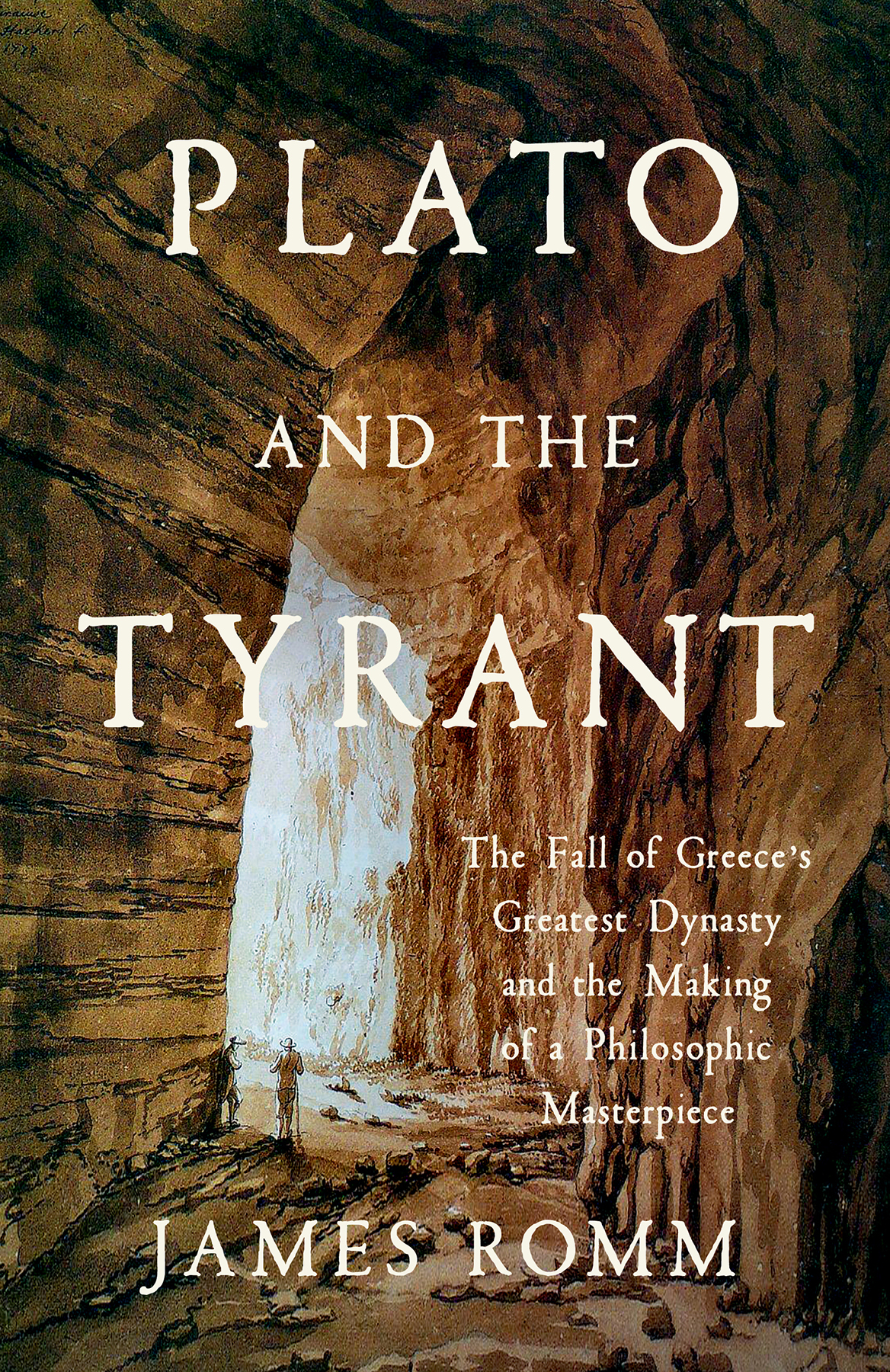
34 reviewsPlato is one of history’s most influential thinkers, the “sublime philosopher” whose writings remain foundational to Western culture. He is known for the brilliant dialogues in which he depicted his teacher, Socrates, discussing ethical truths with prominent citizens of Athens. Yet the image we have of Plato―an ethereal figure far removed from society and politics, who conjured abstract ideas in peaceful groves―is a fiction, created by Plato’s admirers and built up over centuries. In fact, Plato was very much a man of the world.
In Plato and the Tyrant , acclaimed historian and classicist James Romm draws on personal letters of Plato―documents that have long been kept in obscurity―to show how a philosopher helped topple the leading Greek power of the era: the opulent city of Syracuse. There, Plato encountered two authoritarian rulers, a father and son both named Dionysius, and tried to steer them toward philosophy. At the same time, he worked on his masterpiece, Republic, in which he conceived a ruler who unites perfect wisdom with absolute power. That dream has echoed down through the ages and given rise to a famous term, one that Plato himself didn’t actually use: philosopher-king.
As Romm reveals, Plato’s time in Syracuse helped shape Republic ―and also had disastrous results for Plato himself and for all of Greek Sicily. The younger Dionysius, emotionally unstable but intellectually curious, welcomed Plato with open arms, but soon the relationship soured. Plato’s close friendship with Dionysius’s uncle, Dion―possibly a bond of romantic love―created a rift in the ruling family that led to a chaotic civil war.
4.4
32 reviews
4.5
8 reviews
4.8
25 reviews
4.4
9 reviews
4.5
21 reviews
4.9
7 reviews
5.0
12 reviews
5.0
20 reviews
4.5
20 reviews