
Most ebook files are in PDF format, so you can easily read them using various software such as Foxit Reader or directly on the Google Chrome browser.
Some ebook files are released by publishers in other formats such as .awz, .mobi, .epub, .fb2, etc. You may need to install specific software to read these formats on mobile/PC, such as Calibre.
Please read the tutorial at this link. https://ebooknice.com/page/post?id=faq
We offer FREE conversion to the popular formats you request; however, this may take some time. Therefore, right after payment, please email us, and we will try to provide the service as quickly as possible.
For some exceptional file formats or broken links (if any), please refrain from opening any disputes. Instead, email us first, and we will try to assist within a maximum of 6 hours.
EbookNice Team
Status:
Available4.5
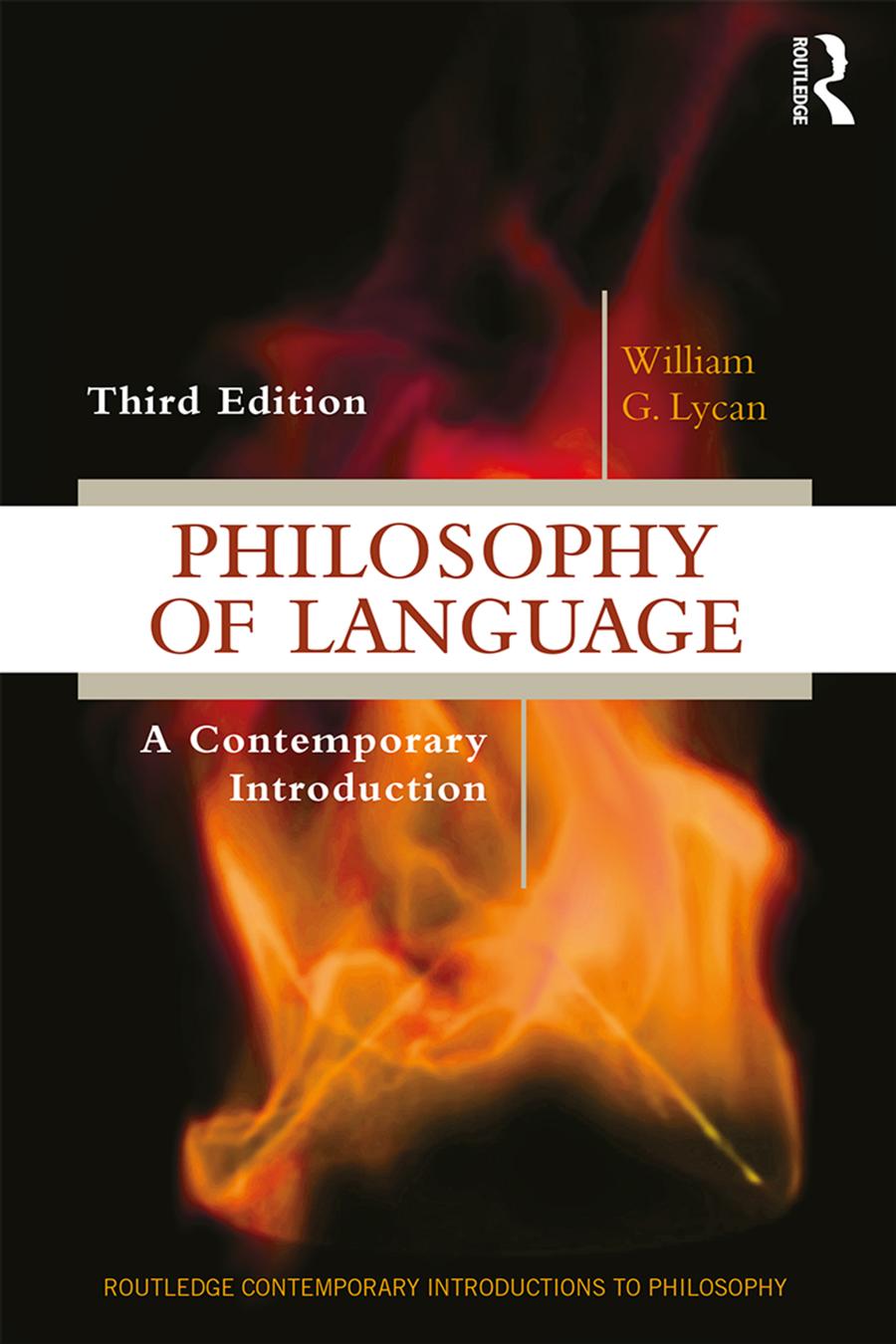
27 reviewsNow in its third edition, Philosophy of Language: A Contemporary Introduction introduces students to the main issues and theories in twenty-first-century philosophy of language, focusing specifically on linguistic phenomena. Author William G. Lycan structures the book into four general parts. Part I, Reference and Referring, includes topics such as Russell's Theory of Descriptions (and its objections), Donnellan's distinction, problems of anaphora, the Description Theory of proper names, Searle's Cluster Theory, and the Causal-Historical Theory. Part II, Theories of Meaning, surveys the competing theories of linguistic meaning and compares their various advantages and liabilities. Part III, Pragmatics and Speech Acts, introduces the basic concepts of linguistic pragmatics and includes a detailed discussion of the problem of indirect force. Part IV, The Expressive and the Figurative, examines various forms of expressive language and what "metaphorical meaning" is and how most listeners readily grasp it. Features of Philosophy of Language include: chapter overviews and summaries; clear supportive examples; study questions; annotated lists of further reading; a glossary. Updates to the third edition include: an entirely new chapter, "Expressive Language" (Chapter 14), covering verbal irony, sarcasm, and pejorative language (particularly slurs); the addition in several chapters of short sections on pretense theories, addressing (1) puzzles about reference, (2) irony, and (3) metaphor; a much expanded discussion of Relevance Theory, particularly its notion of ad hoc concept construction or "loosening and tightening," and the application of that to metaphor; new discussion of Cappelen and Lepore's skepticism about content-dependence; up-to-date coverage of new literature, further reading lists, and the bibliography, as well as an improved glossary.

4.7
34 reviews
4.4
12 reviews
4.6
9 reviews
5.0
36 reviews

5.0
8 reviews
4.8
40 reviews
4.4
31 reviews
4.7
29 reviews