
Most ebook files are in PDF format, so you can easily read them using various software such as Foxit Reader or directly on the Google Chrome browser.
Some ebook files are released by publishers in other formats such as .awz, .mobi, .epub, .fb2, etc. You may need to install specific software to read these formats on mobile/PC, such as Calibre.
Please read the tutorial at this link. https://ebooknice.com/page/post?id=faq
We offer FREE conversion to the popular formats you request; however, this may take some time. Therefore, right after payment, please email us, and we will try to provide the service as quickly as possible.
For some exceptional file formats or broken links (if any), please refrain from opening any disputes. Instead, email us first, and we will try to assist within a maximum of 6 hours.
EbookNice Team
Status:
Available0.0
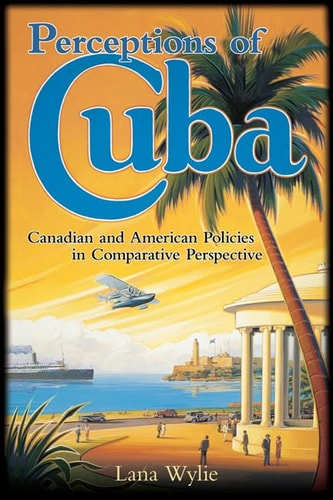
0 reviewsIn 1976, with the US trade embargo against Cuba underway, Canada's Prime Minister Pierre Elliott Trudeau visited the island nation, befriended his counterpart, and exclaimed publicly Long live Prime Minister Fidel Castro! During the past half-century of communist rule in Cuba, Canada's policy of engagement with the country has contrasted sharply with the United States' policy of isolation. Based on a series of interviews conducted in Havana, Washington, and Ottawa, Perceptions of Cuba moves beyond traditional economic and political analyses to show that national identities distinct to each country contributed to the formation of their dissimilar foreign policies.
Lana Wylie argues that Canadians and Americans perceive Cuba through different lenses rooted in their respective identities: American exceptionalism made Cuba the polar opposite of the United States, while Canada's self-image as a good international citizen and as 'not American' has allowed the country to engage with the Cuban government. By acknowledging that competing national identities, perceptions, and ideas play a major role in foreign policies, Perceptions of Cuba makes a significant contribution to our understanding of international relations.
\"In 1976, with the US trade embargo against Cuba underway, Canada's Prime Minister Pierre Elliott Trudeau visited the island nation, befriended his counterpart, and exclaimed publicly \"Long live Prime Minister Fidel Castro!\" During the past half-century of communist rule in Cuba, Canada's policy of engagement with the country has contrasted sharply with the United States' policy of isolation. Based on a series of interviews conducted in Havana, Washington, and Ottawa, Perceptions of Cuba moves beyond traditional economic and political analyses to show that national identities distinct to each country contributed to the formation of their dissimilar foreign policies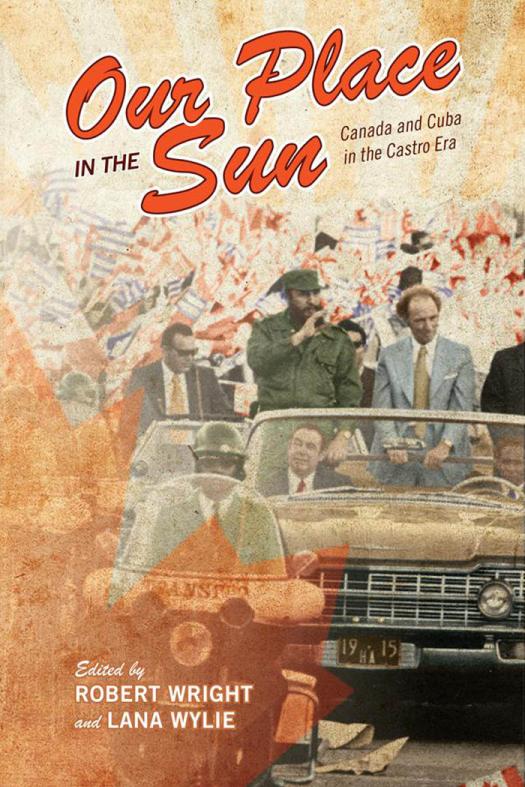


4.5
22 reviews
4.8
18 reviews
5.0
38 reviews
4.8
10 reviews
4.5
41 reviews
4.5
20 reviews
4.7
8 reviews
5.0
21 reviews