
Most ebook files are in PDF format, so you can easily read them using various software such as Foxit Reader or directly on the Google Chrome browser.
Some ebook files are released by publishers in other formats such as .awz, .mobi, .epub, .fb2, etc. You may need to install specific software to read these formats on mobile/PC, such as Calibre.
Please read the tutorial at this link. https://ebooknice.com/page/post?id=faq
We offer FREE conversion to the popular formats you request; however, this may take some time. Therefore, right after payment, please email us, and we will try to provide the service as quickly as possible.
For some exceptional file formats or broken links (if any), please refrain from opening any disputes. Instead, email us first, and we will try to assist within a maximum of 6 hours.
EbookNice Team
Status:
Available4.9
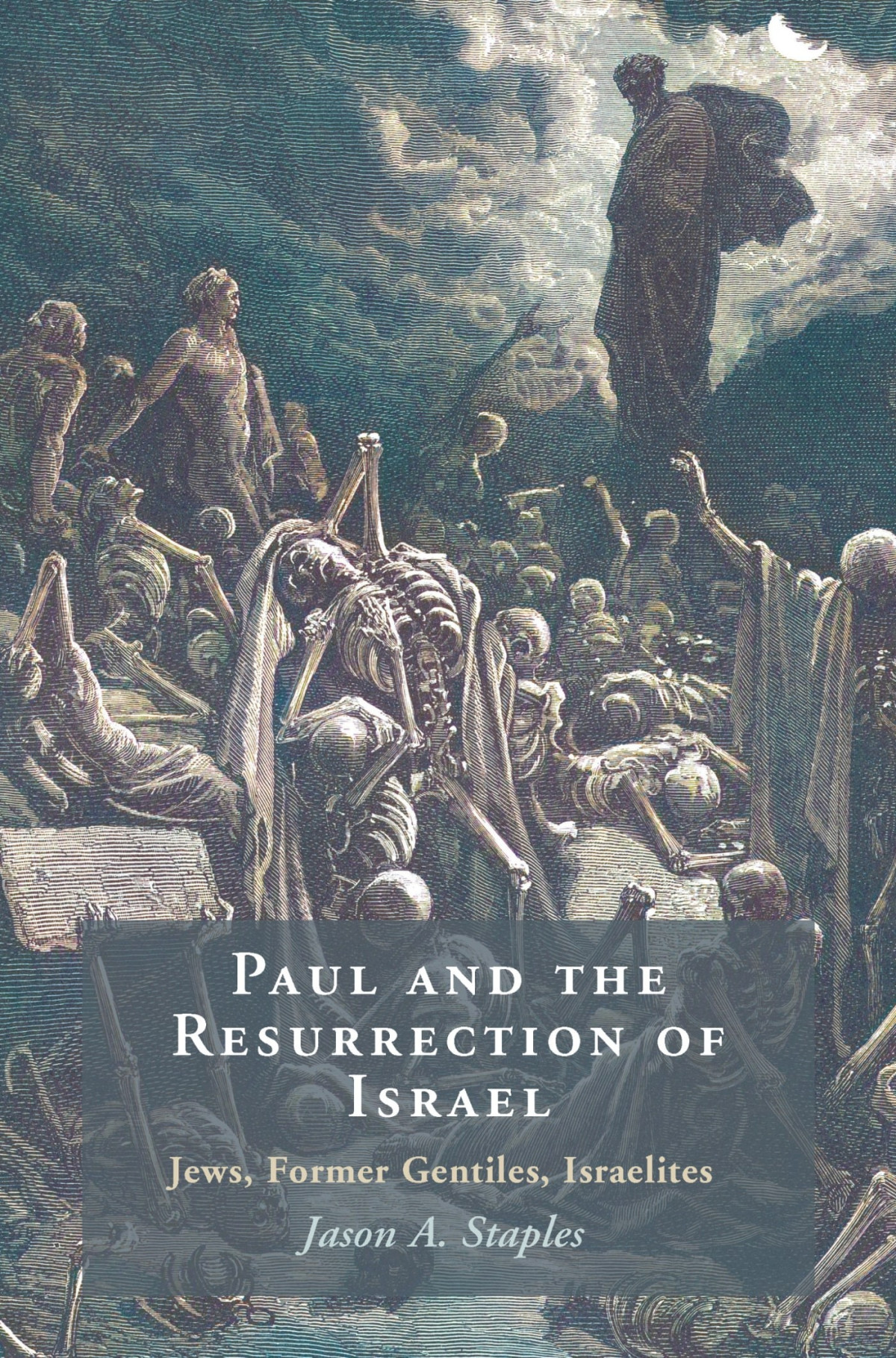
40 reviewsThe gospel promoted by Paul has for many generations stirred passionate debate. That gospel proclaimed equal salvific access to Jews and gentiles alike. But on what basis? In making sense of such a remarkable step forward in religious history, Jason Staples reexamines texts that have proven thoroughly resistant to easy comprehension. He traces Paul's inclusive theology to a hidden strand of thinking in the earlier story of Israel. Postexilic southern Judah, he argues, did not simply appropriate the identity of the fallen northern kingdom of Israel. Instead, Judah maintained a notion of 'Israel' as referring both to the north and the ongoing reality of a broad, pan-Israelite sensibility to which the descendants of both ancient kingdoms belonged. Paul's concomitant belief was that northern Israel's exile meant assimilation among the nations – effectively a people's death – and that its restoration paradoxically required gentile inclusion to resurrect a greater 'Israel' from the dead.
5.0
18 reviews
4.3
22 reviews
4.6
39 reviews
4.7
9 reviews
4.6
5 reviews
4.8
33 reviews
5.0
21 reviews
4.3
18 reviews