
Most ebook files are in PDF format, so you can easily read them using various software such as Foxit Reader or directly on the Google Chrome browser.
Some ebook files are released by publishers in other formats such as .awz, .mobi, .epub, .fb2, etc. You may need to install specific software to read these formats on mobile/PC, such as Calibre.
Please read the tutorial at this link. https://ebooknice.com/page/post?id=faq
We offer FREE conversion to the popular formats you request; however, this may take some time. Therefore, right after payment, please email us, and we will try to provide the service as quickly as possible.
For some exceptional file formats or broken links (if any), please refrain from opening any disputes. Instead, email us first, and we will try to assist within a maximum of 6 hours.
EbookNice Team
Status:
Available4.5
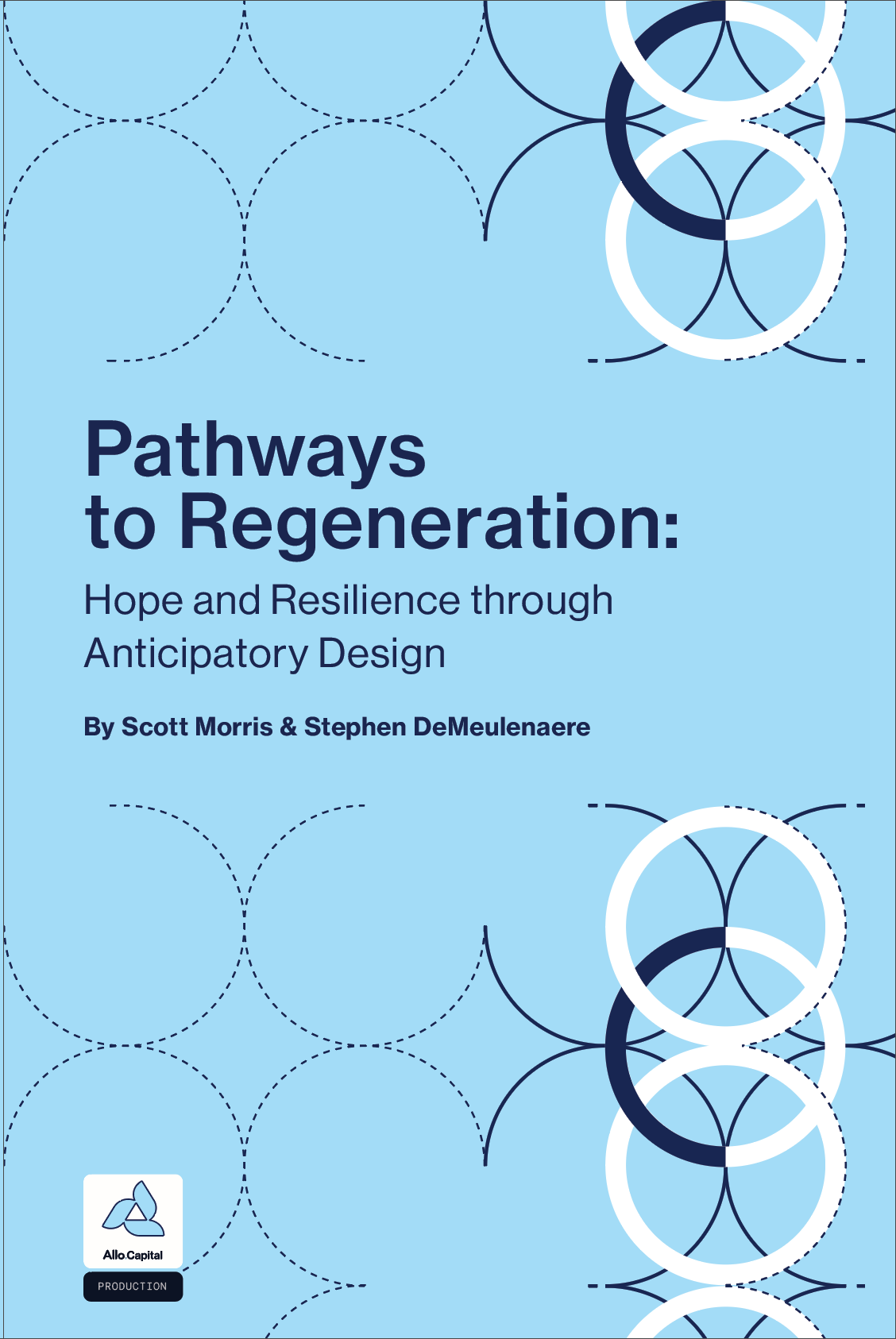
34 reviewsDrawing from R. Buckminster Fuller, E.F. Schumacher, Michel Bauwens, Jem Bendell and others, the authors advocate moving beyond GDP-focused growth toward comprehensive wealth building across all forms of capital.
The authors challenge conventional economic narratives by revealing how ancient systems prioritized community welfare through gift economies and shared resource management, contrasting sharply with today's extractive models. Historical examples, from Depression-era emergency currencies to the Wörgl experiment's "economic miracle," demonstrate communities' capacity to create alternative economic systems during crises.
Central to their framework is monetary diversity and optimizing for circulation over wealth concentration. Like natural ecosystems, resilient economies require multiple exchange mechanisms rather than dependence on single currencies. The book introduces analytical tools (the Iceberg Model for systems thinking; the NEAT Method for participatory design), enabling communities to architect economic systems aligned with their values.
Blockchain technologies, particularly Ethereum's programmable capabilities, represent powerful tools when grounded in regenerative design principles and community wisdom. Without this ethical foundation, blockchain risks replicating extractive patterns rather than enabling genuine systems transformation.
The book provides practical frameworks for communities to design fairer governance structures, capital formation mechanisms, and economies that serve authentic local needs while connecting to broader regenerative movements. Combining anticipatory design with regenerative economics creates systems for a more viable future.
allo.capital
4.4
34 reviews
4.5
28 reviews
5.0
41 reviews
5.0
9 reviews
4.4
17 reviews
4.6
12 reviews
4.6
15 reviews
4.4
17 reviews
4.9
31 reviews
4.7
40 reviews