Most ebook files are in PDF format, so you can easily read them using various software such as Foxit Reader or directly on the Google Chrome browser.
Some ebook files are released by publishers in other formats such as .awz, .mobi, .epub, .fb2, etc. You may need to install specific software to read these formats on mobile/PC, such as Calibre.
Please read the tutorial at this link. https://ebooknice.com/page/post?id=faq
We offer FREE conversion to the popular formats you request; however, this may take some time. Therefore, right after payment, please email us, and we will try to provide the service as quickly as possible.
For some exceptional file formats or broken links (if any), please refrain from opening any disputes. Instead, email us first, and we will try to assist within a maximum of 6 hours.
EbookNice Team
Status:
Available4.4
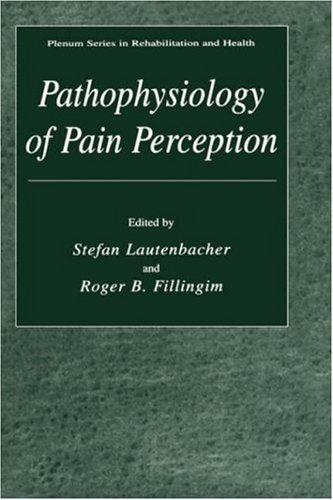
22 reviewsUnder certain pathological conditions, the pain processing system, which includes both physiological and psychological components, can produce the experience of pain in the absence of any peripheral noxious event. Considerable evidence now indicates that alterations in pain perception are characteristic of many clinical pain states. Pathophysiology of Pain Perception primarily examines these pathological alterations in the pain-signaling system, with contributions from leading researchers in the field focusing on the functioning of the pain processing system under normal and pathological conditions. The understanding of pain perception is essential for optimal diagnosis and treatment of acute and chronic pain. This book covers the basics of pain perception (peripheral and central neurotransmission, methods of assessment), various pathological (chronic pain conditions, neurological and psychiatric diseases, cardiovascular disease), and non-pathological alterations of pain perception (pregnancy, labor) as well as the treatments aiming at influencing pain perception such as pharmacological, physical and psychological treatments.
Doody Review ServicesReviewer:Thomas W. Cutter, MD, MAEd(University of Chicago Pritzker School of Medicine)
Description:This book integrates the physiological, psychological, and pathophysiological aspects of the pain processing system.
Purpose:The purpose is to provide information that the reader can use to better understand the processes behind pain perception and to stimulate additional research in the field. Although esoteric, this is an important niche and one which the authors fill commendably in this initial foray into the field.
Audience:The book is directed more at the scholar of pain than to the practitioner of its relief. There is little concrete material offered in the way of pain management, although the book does provide a better understanding of current…


5.0
32 reviews

4.6
9 reviews

4.7
21 reviews
4.8
38 reviews
5.0
38 reviews