Most ebook files are in PDF format, so you can easily read them using various software such as Foxit Reader or directly on the Google Chrome browser.
Some ebook files are released by publishers in other formats such as .awz, .mobi, .epub, .fb2, etc. You may need to install specific software to read these formats on mobile/PC, such as Calibre.
Please read the tutorial at this link. https://ebooknice.com/page/post?id=faq
We offer FREE conversion to the popular formats you request; however, this may take some time. Therefore, right after payment, please email us, and we will try to provide the service as quickly as possible.
For some exceptional file formats or broken links (if any), please refrain from opening any disputes. Instead, email us first, and we will try to assist within a maximum of 6 hours.
EbookNice Team
Status:
Available4.4
5 reviews
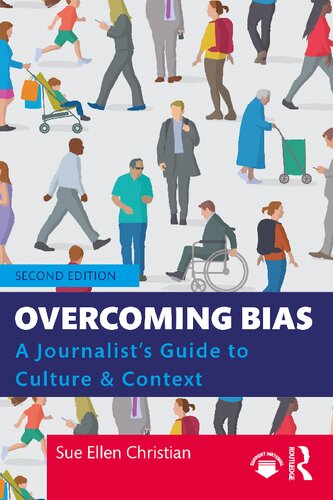
ISBN 10: 0367366959
ISBN 13: 9780367366957
Author: Sue Ellen Christian
In this practical and engaging new edition, experienced reporter and teacher Sue Ellen Christian offers a fully updated and fresh take on reporting without bias, examining the way that we categorize people, filter information and default to rehearsed ways of thinking. This book is about biases that affect journalism at every stage of reporting and writing. Included throughout are stories and advice from working reporters and editors, providing real-world voices and experiences, and covering questions of culture, stereotyping, sources, writing, editing, visuals and reflective practice. This advice and guidance is coupled with practical exercises that give readers the chance to apply what they learn. Christian provides a career-long foundation for those looking to edit their thinking and to champion a more inclusive and open-minded approach to coverage of our multicultural society. Offering a concise, readable and highly applicable guide to managing coverage of contemporary social issues, this book is an ideal resource for undergraduate and graduate students of journalism and early career journalists.
1 Context, Culture and Cognition: Making the Case for Reflective Practice in Journalism
2 Habits of Thought: How Cognitive Processes Influence Journalistic Practice
3 Encountering the News: How the Mind Organizes and Interprets Information – and How Story Ideas Get Lost in the Process
4 Story without Stereotype: How Stereotypes May Influence Reporting in Stealthy Ways – and What to Do about It
5 Understanding Culture, Understanding Sources: How Social Groups Serve as Lenses for Looking at the World
6 Training the Reporter’s Eye :What Attracts Journalists’ Attention Can Influence How They Portray Events and Explain Behaviors
7 Critical Decisions before Deadline: Why Even Experienced Journalists Neglect Certain Facts and What to Do About It
8 The Power of Words and Tone: When Words Suggest Unintended Meanings
9 Attribution, Images and Editing without Bias: When to Include Data, What Images Communicate and How to Determine Cause
10 Addressing Negativity: How to Manage Hate Speech, Hostile Sources and Misinformation
11 Journalism and Reflective Practice: Cultivating an Open Mind
overcoming bias book
overcoming bias
overcoming bias blog
overcoming bias examples
overcoming biases
overcoming bias meaning
overcoming bias in decision making
Tags: Sue Ellen Christian, Overcoming, Journalist


4.6
12 reviews

4.7
9 reviews
4.6
17 reviews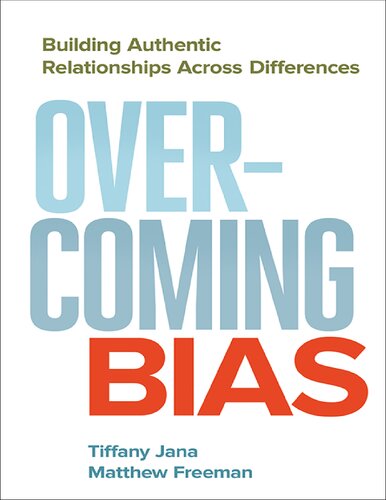
4.7
19 reviews