
Most ebook files are in PDF format, so you can easily read them using various software such as Foxit Reader or directly on the Google Chrome browser.
Some ebook files are released by publishers in other formats such as .awz, .mobi, .epub, .fb2, etc. You may need to install specific software to read these formats on mobile/PC, such as Calibre.
Please read the tutorial at this link. https://ebooknice.com/page/post?id=faq
We offer FREE conversion to the popular formats you request; however, this may take some time. Therefore, right after payment, please email us, and we will try to provide the service as quickly as possible.
For some exceptional file formats or broken links (if any), please refrain from opening any disputes. Instead, email us first, and we will try to assist within a maximum of 6 hours.
EbookNice Team
Status:
Available4.8
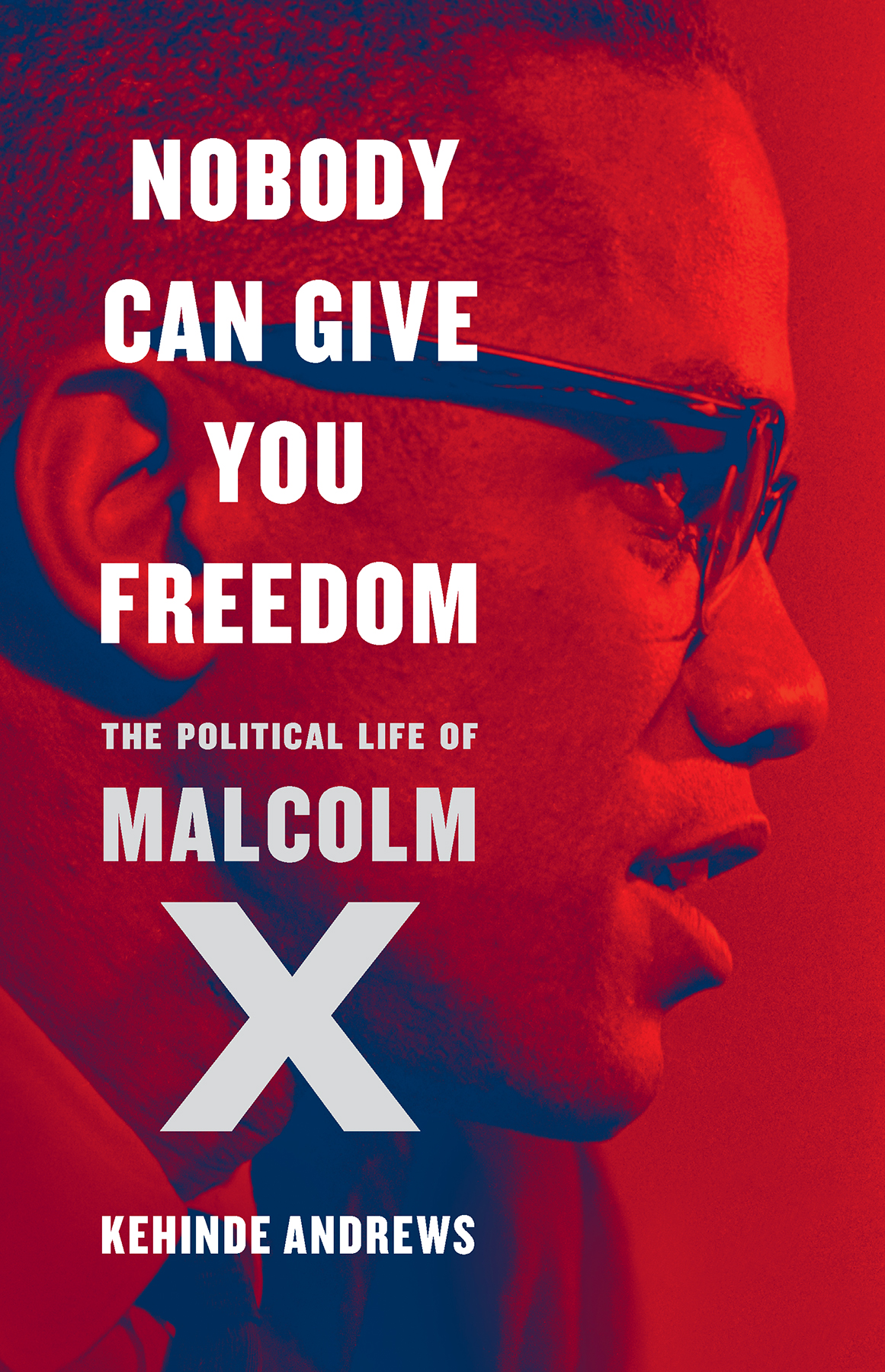
12 reviewsA "provocative, insightful, and urgent" (Peniel E. Joseph) new examination of Malcolm X that shows how the iconic figure was always dedicated to a global movement for Black liberation
Malcolm X is one of the most iconic figures of the twentieth century. Across countless films, documentaries, and books, we have come to know him as a violent and tragic figure, who, when considered next to Martin Luther King Jr. and the civil rights movement, was ultimately and perhaps dangerously misguided. But in the wake of continued police brutality and the rise of white supremacy, it’s time to revisit Malcolm X and ask: What do we really know about what he believed, and what can we do with that political philosophy today?
In Nobody Can Give You Freedom , Kehinde Andrews draws on the speeches and writings of Malcolm X to upend the conventional understanding of Malcolm—from his alleged misogyny to his putative proclivity for violence. Instead, Andrews argues that Malcolm X embraced equality across genders and foresaw a more inclusive approach to Black liberation that relied on grassroots efforts and community building.
Far from a doomed ideologue, Malcolm X was in fact one of the most important, and misunderstood, intellectuals of the twentieth century, whose lessons on how to fight white supremacy are more important than ever.
4.5
19 reviews
4.4
23 reviews
5.0
41 reviews
4.3
10 reviews
4.8
37 reviews
4.8
22 reviews
4.6
22 reviews
4.8
6 reviews