
Most ebook files are in PDF format, so you can easily read them using various software such as Foxit Reader or directly on the Google Chrome browser.
Some ebook files are released by publishers in other formats such as .awz, .mobi, .epub, .fb2, etc. You may need to install specific software to read these formats on mobile/PC, such as Calibre.
Please read the tutorial at this link. https://ebooknice.com/page/post?id=faq
We offer FREE conversion to the popular formats you request; however, this may take some time. Therefore, right after payment, please email us, and we will try to provide the service as quickly as possible.
For some exceptional file formats or broken links (if any), please refrain from opening any disputes. Instead, email us first, and we will try to assist within a maximum of 6 hours.
EbookNice Team
Status:
Available4.6
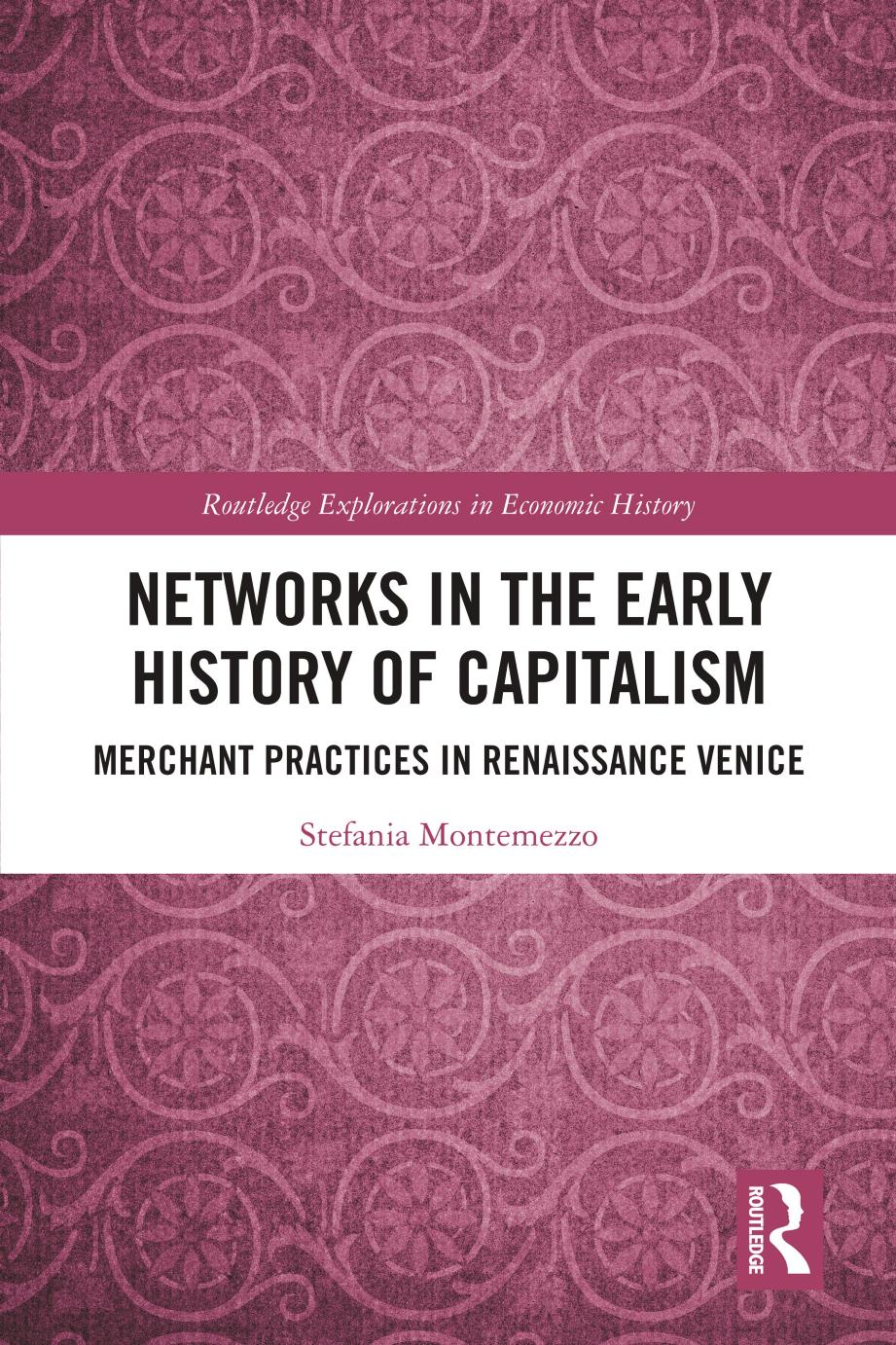
9 reviewsContributing to the literature on the early history of capitalism, this book demonstrates how Venetian merchants combined innovation with traditional methods to maintain their edge in a competitive world, providing valuable lessons on resilience and strategic planning in commerce. Small- and mid-sized commercial companies operating across borders and geographies in the early Renaissance period faced numerous challenges, including identifying profitable sectors and businesses, developing effective business strategies, dealing with peers and subordinates, managing the flow of information, and assessing risks and potential rewards. The chapters explore a range of topics in this context, including the roles of family-based firms, the strategic deployment of agents, and the impact of state policies on private enterprise. Readers are introduced to the ways Venetian merchants managed capital, adapted to market demands, and overcame obstacles like wars and resource shortages.
This book will be of significant interest to historians and social scientists researching economic history, the history of trade, the history of capitalism, medieval and Renaissance history, and historical network analysis.
Stefania Montemezzo is an economic and social historian with a keen interest in the Renaissance period in Italy. She received her PhD in Economic History from the University of Verona. Her professional experience includes research fellowships at the University of Bologna, Aalto University in Helsinki, the University of Padua, and I Tatti, The Harvard University Center for Italian Renaissance Studies.
4.7
41 reviews
4.9
33 reviews



4.4
26 reviews


4.8
20 reviews
4.3
28 reviews