logo
Product categories

EbookNice.com

Most ebook files are in PDF format, so you can easily read them using various software such as Foxit Reader or directly on the Google Chrome browser.
Some ebook files are released by publishers in other formats such as .awz, .mobi, .epub, .fb2, etc. You may need to install specific software to read these formats on mobile/PC, such as Calibre.

Please read the tutorial at this link.  https://ebooknice.com/page/post?id=faq


We offer FREE conversion to the popular formats you request; however, this may take some time. Therefore, right after payment, please email us, and we will try to provide the service as quickly as possible.


For some exceptional file formats or broken links (if any), please refrain from opening any disputes. Instead, email us first, and we will try to assist within a maximum of 6 hours.

EbookNice Team
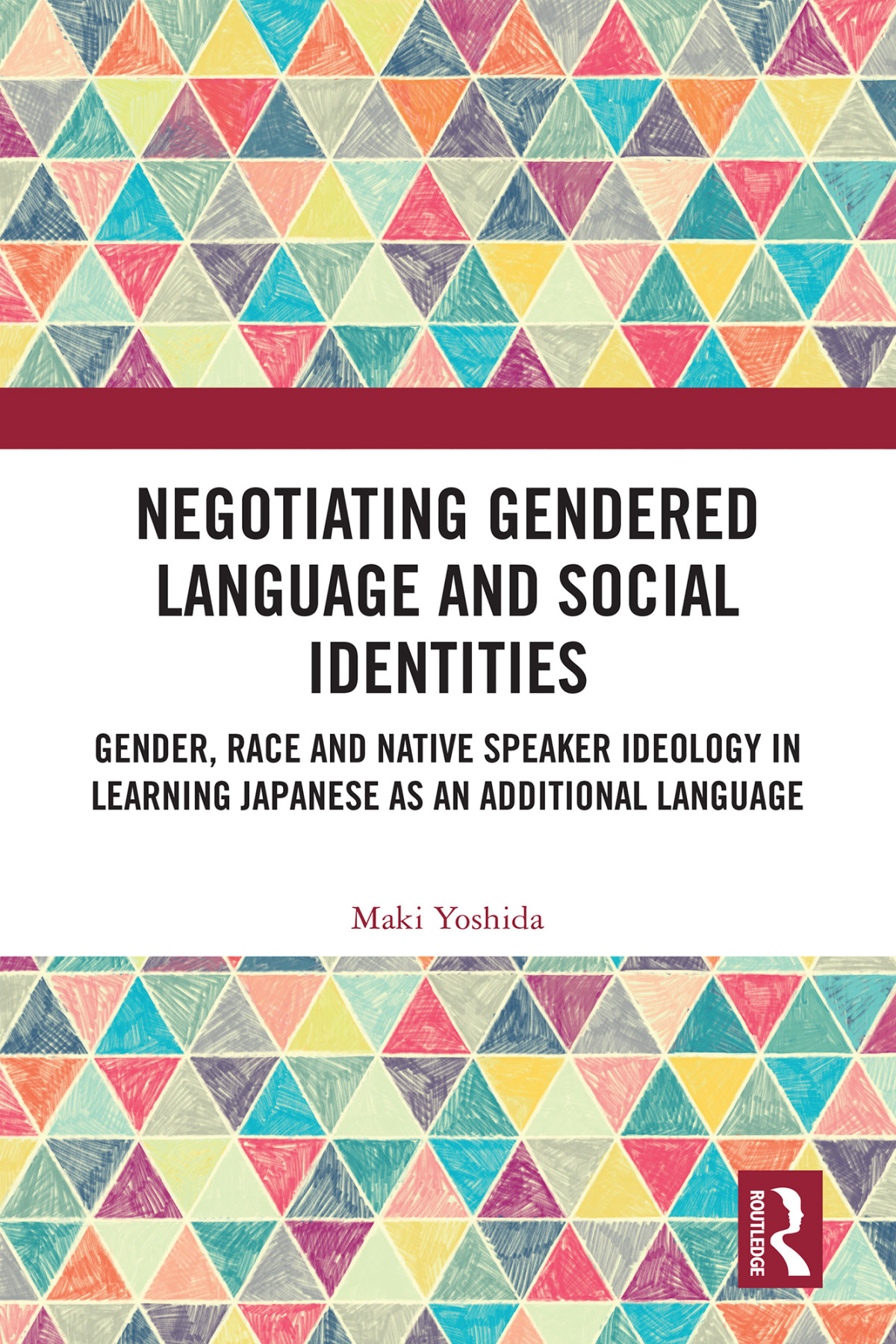
Negotiating Gendered Language and Social Identities: Gender, Race and Native Speaker Ideology in Learning Japanese as an Additional Language by Yoshida, Maki instant download

  • SKU: EBN-237374046
Zoomable Image
$ 32 $ 40 (-20%)

Status:

Available

4.3

32 reviews
Instant download (eBook) Negotiating Gendered Language and Social Identities: Gender, Race and Native Speaker Ideology in Learning Japanese as an Additional Language after payment.
Authors:Yoshida, Maki
Pages:updating ...
Year:2025
Publisher:Taylor & Francis Group
Language:english
File Size:3.78 MB
Format:epub
Categories: Ebooks

Product desciption

Negotiating Gendered Language and Social Identities: Gender, Race and Native Speaker Ideology in Learning Japanese as an Additional Language by Yoshida, Maki instant download

native speaker, narrative identity, ideology, Negotiation of language and identities, Japanese, language identities, race, multilingualism, Intercultural communication, gender, language learning
This book explores gendered language and gender identities negotiated by seven tertiary students of Japanese as an additional language (JAL) in Australia. It demonstrates that while participants are familiar with gendered Japanese as linguistic resources, their self-positioned and ascribed ‘learnersness’, ‘non-native-speakerness’ and ‘non-Japaneseness’ both inside and outside classroom contexts greatly impact the targeted negotiations. It argues that these ascribed social identities encourage participants to adopt ‘correct’ (gendered) Japanese; however, what exactly this ‘correctness’ means differs for each JAL participant, depending on their other reflective and perceived social identities—such as gender, age, class, race and English ‘native-speakerness’.This book draws on the conclusions on the implications of discourses and practices concerning native-speaker status, gender and race in Japanese language education. While the initial focus of the book is on gendered Japanese and gender identity, this book subsequently expands that the participants’ negotiation of gendered Japanese and gender identity is complicatedly intertwined with negotiations of other social identities such as native-speaker status, race, and age, with native-speaker status saliently affecting the way they position themselves and are positioned by their interlocutors. This book analyses the participants’ language resources, spoken and/or written Japanese interactions and one-on-one and focus-group interviews and presents easily understood findings for readers who are interested in SLA, Japanese, language and/or identity studies. This is the first book to holistically examine Australia-based tertiary students’ Japanese language learning experience and Japanese interactions with regards to (gende
*Free conversion of into popular formats such as PDF, DOCX, DOC, AZW, EPUB, and MOBI after payment.

Related Products