
Most ebook files are in PDF format, so you can easily read them using various software such as Foxit Reader or directly on the Google Chrome browser.
Some ebook files are released by publishers in other formats such as .awz, .mobi, .epub, .fb2, etc. You may need to install specific software to read these formats on mobile/PC, such as Calibre.
Please read the tutorial at this link. https://ebooknice.com/page/post?id=faq
We offer FREE conversion to the popular formats you request; however, this may take some time. Therefore, right after payment, please email us, and we will try to provide the service as quickly as possible.
For some exceptional file formats or broken links (if any), please refrain from opening any disputes. Instead, email us first, and we will try to assist within a maximum of 6 hours.
EbookNice Team
Status:
Available4.7
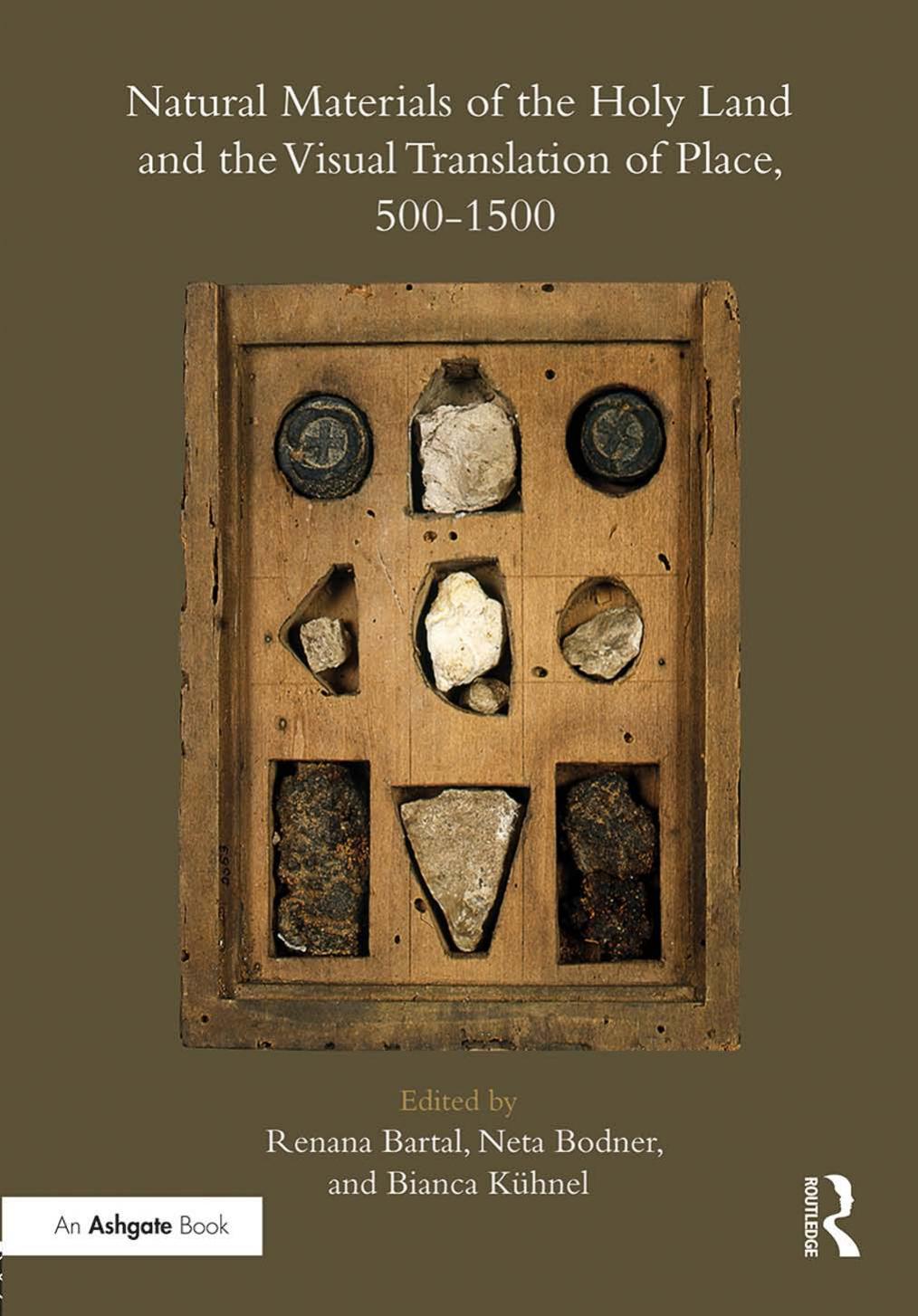
32 reviewsNatural Materials of the Holy Land and the Visual Translation of Place, 500-1500, focuses on the unique ways that natural materials carry the spirit of place. Since early Christianity, wood, earth, water and stone were taken from loca sancta to signify them elsewhere. Academic discourse has indiscriminately grouped material tokens from holy places and their containers with architectural and topographical emulations, two-dimensional images and bodily relics. However, unlike textual or visual representations, natural materials do not describe or interpret the Holy Land; they are part of it. Tangible and timeless, they realize the meaning of their place of origin in new locations. What makes earth, stones or bottled water transported from holy sites sacred? How do they become pars pro toto , signifying the whole from which they were taken? This book will examine natural media used for translating loca sancta, the processes of their sanctification and how, although inherently abstract, they become charged with meaning. It will address their metamorphosis, natural or induced; how they change the environment to which they are transported; their capacity to translate a static and distant site elsewhere; the effect of their relocation on users/viewers; and how their containers and staging are used to communicate their substance.
4.7
15 reviews
4.8
17 reviews
4.8
39 reviews
4.4
6 reviews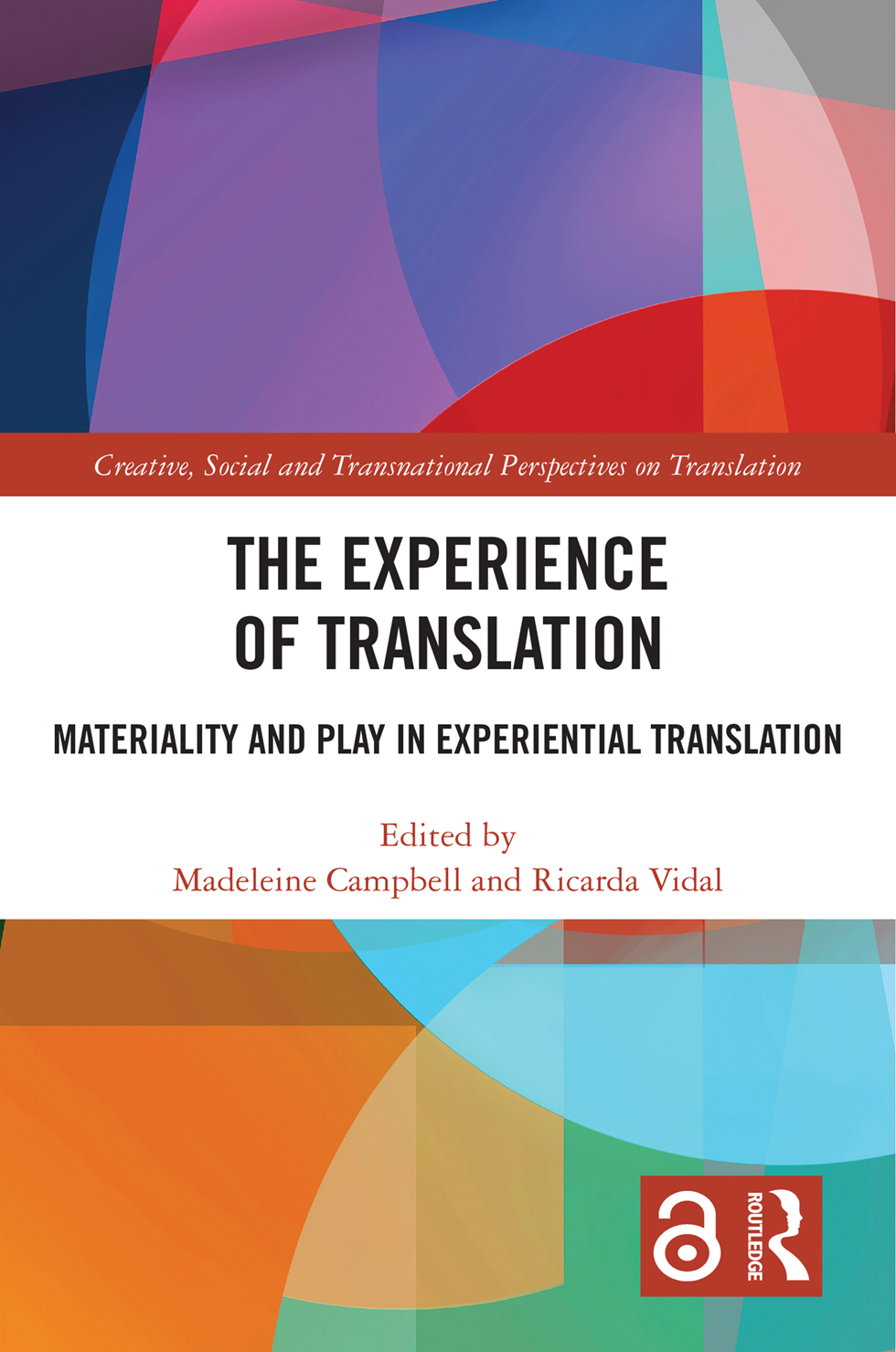
4.6
32 reviews
4.9
39 reviews
4.5
6 reviews
4.5
33 reviews