logo
Product categories

EbookNice.com

Most ebook files are in PDF format, so you can easily read them using various software such as Foxit Reader or directly on the Google Chrome browser.
Some ebook files are released by publishers in other formats such as .awz, .mobi, .epub, .fb2, etc. You may need to install specific software to read these formats on mobile/PC, such as Calibre.

Please read the tutorial at this link.  https://ebooknice.com/page/post?id=faq


We offer FREE conversion to the popular formats you request; however, this may take some time. Therefore, right after payment, please email us, and we will try to provide the service as quickly as possible.


For some exceptional file formats or broken links (if any), please refrain from opening any disputes. Instead, email us first, and we will try to assist within a maximum of 6 hours.

EbookNice Team
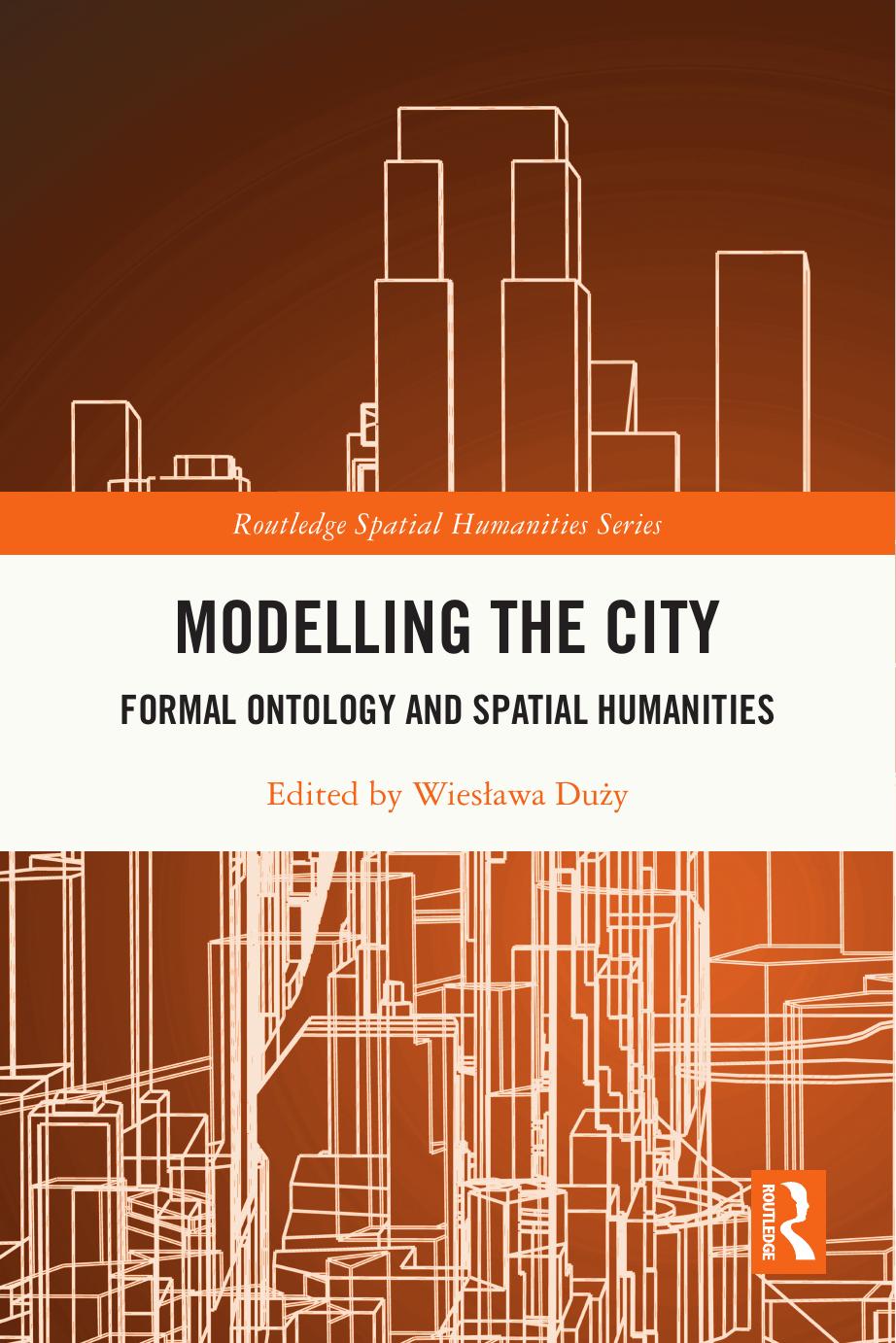
Modelling the City: Formal Ontology and Spatial Humanities by Wiesława Duży ISBN 9781032695846, 9781032695877, 9781032695891, 1032695846, 1032695870, 1032695897 instant download

  • SKU: EBN-238350984
Zoomable Image
$ 32 $ 40 (-20%)

Status:

Available

4.5

9 reviews
Instant download (eBook) Modelling the City: Formal Ontology and Spatial Humanities after payment.
Authors:Wiesława Duży
Pages:230 pages
Year:2024
Edition:1
Publisher:Routledge
Language:english
File Size:17.46 MB
Format:pdf
ISBNS:9781032695846, 9781032695877, 9781032695891, 1032695846, 1032695870, 1032695897
Categories: Ebooks

Product desciption

Modelling the City: Formal Ontology and Spatial Humanities by Wiesława Duży ISBN 9781032695846, 9781032695877, 9781032695891, 1032695846, 1032695870, 1032695897 instant download

Modelling the City focuses on European towns and cities, analysing the opportunities and limitations of modelling of urban space. This book examines how urban space from the past is discovered, explained and presented. It discusses the multitude of historical sources mediating the past urban space, and the structural, technical, and epistemological issues raised around building a domain ontology, including continuity, and change within urban forms and functions. Presentation of a formal domain ontology in spatial humanities makes this book unique and worth reading. It is strongly recommended to readers interested in the linked open data approach to research, data standards in Digital Humanities, urban planning, and old maps.
*Free conversion of into popular formats such as PDF, DOCX, DOC, AZW, EPUB, and MOBI after payment.

Related Products