
Most ebook files are in PDF format, so you can easily read them using various software such as Foxit Reader or directly on the Google Chrome browser.
Some ebook files are released by publishers in other formats such as .awz, .mobi, .epub, .fb2, etc. You may need to install specific software to read these formats on mobile/PC, such as Calibre.
Please read the tutorial at this link. https://ebooknice.com/page/post?id=faq
We offer FREE conversion to the popular formats you request; however, this may take some time. Therefore, right after payment, please email us, and we will try to provide the service as quickly as possible.
For some exceptional file formats or broken links (if any), please refrain from opening any disputes. Instead, email us first, and we will try to assist within a maximum of 6 hours.
EbookNice Team
Status:
Available4.3
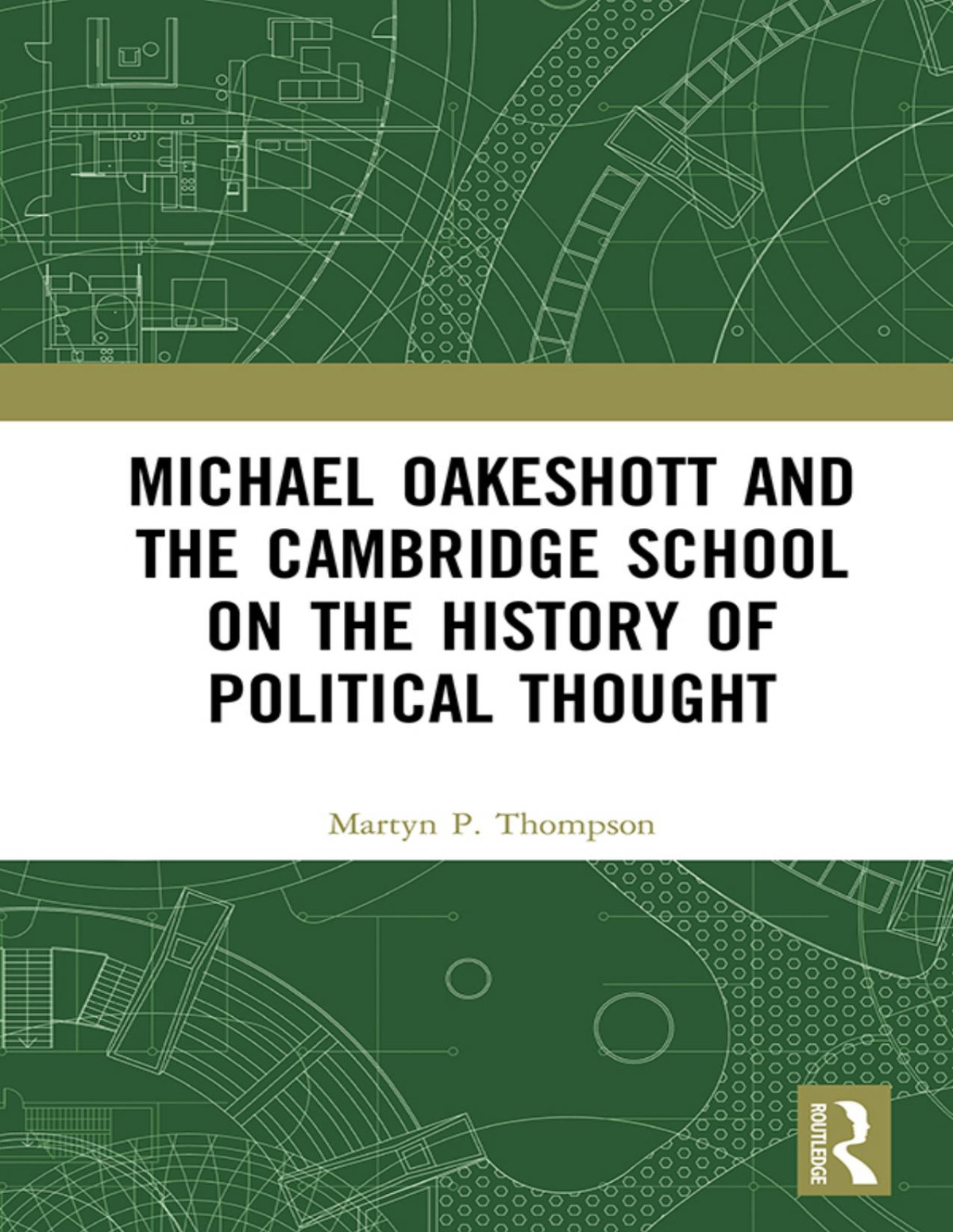
17 reviewsThis book is a critique of Cambridge School Historical Contextualism as the currently dominant mode of history of political thought, drawing upon Michael Oakeshott's analysis of the logic of historical enquiry.
While acknowledging that the early Cambridge School work represented a considerable advance towards genuinely historical histories of political thought, this work identifies two major historiographical problems that have become increasingly acute. The first is general: an insufficiently rigorous understanding of the key concept of pastness necessarily presupposed in historical enquiry of all kinds. The second is specific to histories of political thought: a failure to do justice to the varieties of past political thinking, especially differences between ideology and philosophy. In addressing these problems, the author offers a comprehensive account of the history of political thought that establishes the parameters not just of histories of ideological thinking but also of the much disputed character of histories of political philosophy. Since rethinking history of political thought in Oakeshottian terms requires resisting current pressures to turn history into the servant of currently felt needs, the book offers a sustained defence of the cultural value of modernist historical enquiry against its opponents.
An important work for political theorists, historians of political thought and those researching intellectual history, the philosophy of history and proposed new directions in contemporary historical studies.
4.3
37 reviews
4.6
14 reviews
4.7
21 reviews
5.0
32 reviews
4.6
36 reviews
5.0
18 reviews
4.8
35 reviews
5.0
18 reviews
4.5
33 reviews
4.7
41 reviews