Most ebook files are in PDF format, so you can easily read them using various software such as Foxit Reader or directly on the Google Chrome browser.
Some ebook files are released by publishers in other formats such as .awz, .mobi, .epub, .fb2, etc. You may need to install specific software to read these formats on mobile/PC, such as Calibre.
Please read the tutorial at this link. https://ebooknice.com/page/post?id=faq
We offer FREE conversion to the popular formats you request; however, this may take some time. Therefore, right after payment, please email us, and we will try to provide the service as quickly as possible.
For some exceptional file formats or broken links (if any), please refrain from opening any disputes. Instead, email us first, and we will try to assist within a maximum of 6 hours.
EbookNice Team
Status:
Available4.7
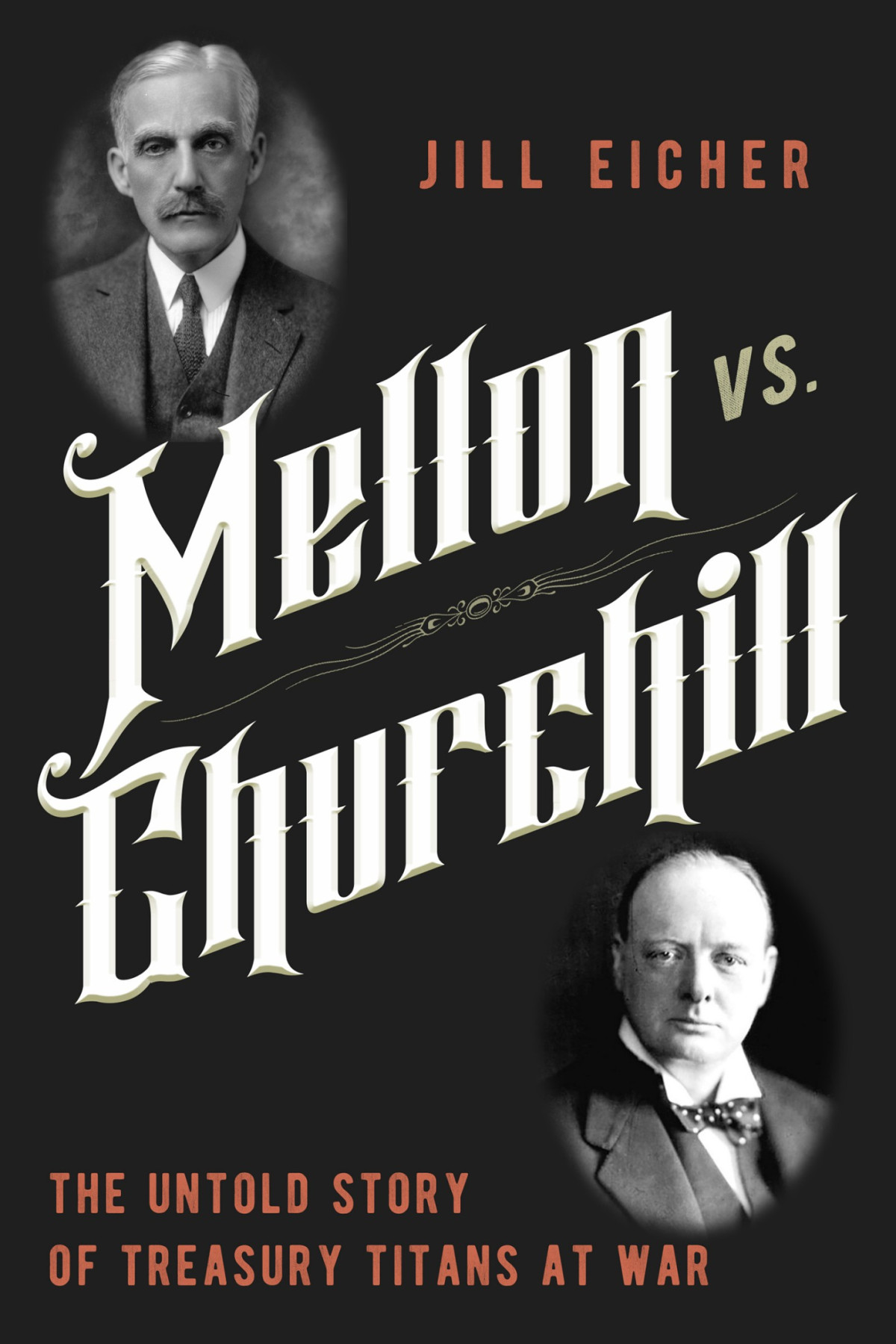
16 reviewsThe never-before-told story of the epic battle of wills between Andrew Mellon and Winston Churchill, as they debated the repayment of the enormous sums loaned by America to Great Britain during World War I.Andrew Mellon, one of the most accomplished businessmen of his era, is almost unknown today. To this shy, diffident (but brilliant) man fell the daunting task of collecting the war debts from European governments still devastated by World War I and struggling to recover economically. Dealing with the U.S. Congress and the heads of foreign governments on the world stage became one of the great adventures of his life. Winston Churchill is one of the best-known figures in history. Mellon vs. Churchill presents Churchill through a different lens, focusing on his service as Chancellor of the Exchequer when Great Britain was the largest debtor to the United States. That he became the most vocal critic of American foreign policy during that time is a scarcely told chapter of economic history—and his long and contentious debate with Mellon has seldom been explored. Yet, during the five years that Churchill served as Chancellor of the Exchequer (1924-1929), Mellon was his counterpart at the United States Treasury, and their debate and fierce differences of opinion about the handling of what Churchill called “the monstrous war debts” made frequent headlines on both sides of the Atlantic. No mention of any of their five meetings are included in the official biographies of either man. Now these confrontations are brought to vivid life in Mellon vs. Churchill, as are many other vignettes from their very public, but largely forgotten, rivalry. Mellon vs. Churchill brings the reader inside the adventurous lives of these two great public figures—men who were not afraid to take huge risks to pursue their grand ambitions.
4.7
6 reviews
4.8
26 reviews
4.3
25 reviews
4.3
16 reviews
5.0
25 reviews
5.0
30 reviews