
Most ebook files are in PDF format, so you can easily read them using various software such as Foxit Reader or directly on the Google Chrome browser.
Some ebook files are released by publishers in other formats such as .awz, .mobi, .epub, .fb2, etc. You may need to install specific software to read these formats on mobile/PC, such as Calibre.
Please read the tutorial at this link. https://ebooknice.com/page/post?id=faq
We offer FREE conversion to the popular formats you request; however, this may take some time. Therefore, right after payment, please email us, and we will try to provide the service as quickly as possible.
For some exceptional file formats or broken links (if any), please refrain from opening any disputes. Instead, email us first, and we will try to assist within a maximum of 6 hours.
EbookNice Team
Status:
Available4.8
12 reviewsISBN 10: 0429083747
ISBN 13: 9780429083747
Author: Gurchuran Rai
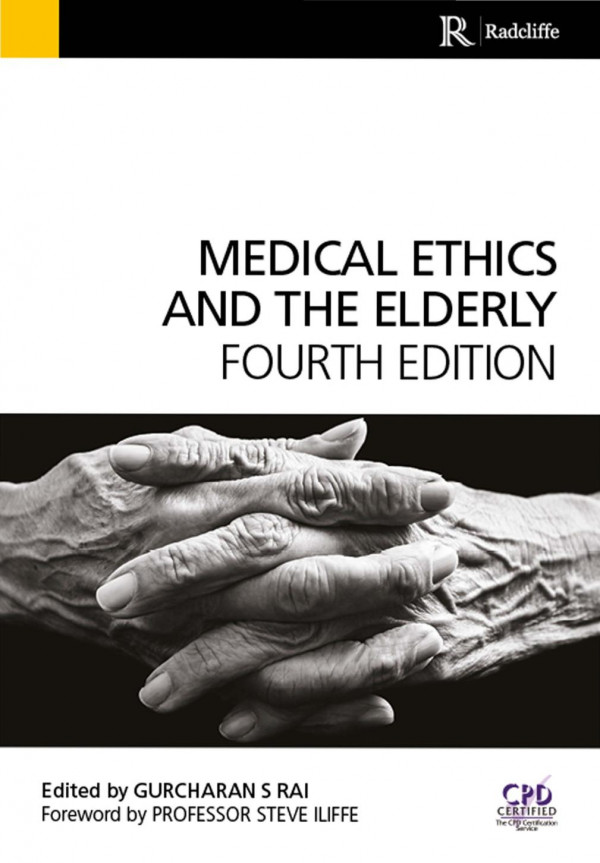
The Fourth Edition of this bestselling, highly regarded book has been fully revised to incorporate changes in law and clinical guidance making a vital impact on patient management, encompassing: . The Equality Act 2010 which provides the right of older people to treatment without discrimination . Case law on withdrawing nutrition and hydration . Updated guidance on resuscitation from the Resuscitation Council (UK), the British Medical Association and the Royal College of Nursing . The redefining of good medical practice by the General Medical Council . The abolition of the Liverpool Care Pathway with updated guidance on end-of-life care and advance care planning. Expanded throughout, this new edition also integrates two entirely new chapters covering testamentary capacity and the role of the physician, and religious beliefs and end-of-life issues. Its practical, reflective and informative approach continues to make it essential reading for all health professionals, particularly trainees, involved in making difficult decisions in the care of older persons. It is also highly recommended for undergraduate medical students. ' This book combines a primer for the novice with advanced reasoning for the expert, both readerships being led through a range of very authentic case studies. The novice can look up the basic elements of current law, or acquire some rules of thumb about assessment of capacity or quality of life. The expert can think about clinical scenarios where there are no right answers, and all is contingent, or work out how the loss of the privilege of driving might be reframed to maximise mobility. Every practitioner should have this book, and it should be well-thumbed.' From the Foreword by Professor Steve Iliffe.
1 Principles of Medical Ethics
Autonomy
Justice
Beneficence and Non-Maleficence
Conclusion
References
Further Reading and Useful Websites
2 Confidentiality
The Importance of Confidentiality
Sharing Information with the Patient’s Consent
Sharing Information in the Public Interest
Sharing Information for Research and other Non-Clinical Purposes
Sharing Information When Required to by Law
Sharing Information in Patients who are Unable to Give Consent
Sharing Information Following a Death
References
3 Informed Consent
Introduction
The Basis of Consent
Professional Duties
The Moral Basis of Consent
Non-Maleficence
Beneficence
Respect For Autonomy
Problems With Respect for Autonomy
Partial Autonomy
Personhood
The Legal Basis of Consent
Capacity
Information
Voluntariness
The Form of Consent
When There is no Valid Consent
Best Interests
Consent to Research
References
4 Decisions On Life-Sustaining Therapy: Nutrition and Fluid
Introduction
Deciding How to Treat An Older Person
Clinical Evidence
Technical Feasibility
Guiding Principles and Values
Medical Treatment or Basic Care?
Nutrition as Medical Treatment
Expected Outcomes of Treatment
The Wishes of the Patient
Nutrition As Basic Care
Should we Feed/Hydrate This Person Who is Unable to Make the Decision?
Should we Stop Feeding/Hydrating This Person Who is Unable to Make the Decision?
Circumstances Have Changed
Values of Those Involved Have Changed
Killing or Letting Die?
The Law
References
5 Communication
Why Communication is Important
Good Communication
What Older People Want
What Happens When Communication Goes Wrong?
Barriers to Good Communication
Ways to Improve Communication
Dementia and Cognitive Impairment
Confidentiality and Information Sharing
Areas of the Law Relevant to Information Sharing in the Care of Older People
Information Sharing With Patients’ Relatives
The Law and Information Sharing with Patients’ Relatives and Friends
Information Sharing with Other Professionals
The Law and Information Sharing with other Professionals
Other Relevant Specific Points of Law Around Data Sharing
The Law and Secondary use of Information
The Law and Data Sharing in Official Complaints
Summary of the Legal Position On Information Sharing
Conclusion
References
6 Cardiopulmonary Resuscitation
Ntroduction
Making a Dnar Decision
When Should a Dnar Decision be Made and for Which Patients?
Who Should Make the Decision?
Discussion With the Patient and Families
Competent Patients
Incompetent Patients
Differences of Opinion Between Patients and Their Families
When the Success of Cpr Is Considered to be Poor
Further Reading
7 Mental Capacity and Best Interests
Legal Rules for Assessing Mental Capacity For Medical Decisions
Assessing Mental Capacity
Making Decisions for a Mentally Incapable Adult
The Mental Health Act 1983
Deprivation of Liberty
Medical Research
References
8 Testamentary Capacity and the Role of the Physician
Introduction
Mental Illness and Testamentary Capacity
Validity of Will
Involvement of Doctors
Assessing Testamentary Capacity
Witnessing the Will
Persons with Mental Incapacity and who Have Not Prepared a will
Case Histories
References
9 Advance Decisions/Advance Decisions to Refuse Treatment
Introduction
Background
Advance Decision/Advance Decision to Refuse Treatment and the Law
Ads (Refusals) Made Before the Mental Capacity Act 2005
Verbal Advance Decision to Refuse Treatment
Advance Refusal of Life-Prolonging Treatment
Advance Refusal of Basic Care
Advance Decisions Regarding Mental Treatment
Advance Decisions and Lasting Power of Attorney
Protection for Professionals From Liability
Conclusion
Case Histories
References
Further Reading
10 Ethical Issues in Stroke Management
Background
Diagnosis
Prognosis
Adverse Prognostic Factors
Stroke Subtypes
Scoring Scales
Drug Treatment
Nutrition and Hydration
Withdrawal of Feeding
Chest Infection and Antibiotics
Resuscitation Orders
Placement
Driving After Stroke
References
11 Ethics of Driving Assessment in Dementia: Care, Competence and Communication
Background
Research and Public Health Ethics
Driving: a Right and a Privilege
Ethical Hazards in Clinical Settings
Assessment
Therapeutic Management and Risk Assessment
Disclosure and Confidentiality
Conclusion
References
12 Achieving a Good Death
Introduction
The Time to Die
The Place to Die
The Way to Die
Dilemmas Faced by Doctors When Dealing With Death
Should the Doctor Tell or Not Tell?
Who Should Tell?
Breaking Bad News
Consequent ‘End-Of-Life Decisions’
The Patient in the Community
The Hospital Patient
Palliative Care Pathways
Advance Care Planning
The Role of Close Friends and Relatives
Euthanasia
Definitions
Euthanasia in the Context of End-Of-Life Care
Religion
Case Histories
Summary of End-Of-Life Decisions
References
13 Religious Beliefs of Patients and End-Of-Life Decisions
Introduction
The Need for Spiritual and Religious Care
Religion Versus Spirituality
Assessment and Management of Spiritual and Religious Issues
End-Of-Life (Including Resuscitation) Views of the Common Religions
Buddhism
Christianity
Hinduism
Islam
Judaism
Sikhism
Conclusion
Buddhism
Christianity
Hinduism
Islam
Judaism
Sikhism
Case Histories
References
Further Reading
14 Ethical Issues in Dementia
Introduction
Ethical Issues in the Early Stages of Dementia
Informing the Patient About the Diagnosis
Informing Family and Carers About the Diagnosis
Issues Surrounding Genetics
Ethical Issues Surrounding New Treatment
Issues Surrounding Patients’ Liberty to Drive
What Advice Should Doctors Give to Patients With Dementia?
What Should Happen if Patients Continue to Drive Against Their Doctor’s Wishes?
What is the Law Regarding Fi Tness to Drive?
Treatment of Acute Illness, Including Decisions About Resuscitation
Percutaneous Endoscopic Gastrostomy Feeding
Use of Physical and Chemical Restraints
Use of Monitoring Equipment
Law and Financial Handling Capacity of Patients With Dementia
What About Those who Neglect Themselves at Home Because of Dementia But Refuse to Accept Help?
Abuse of the Elderly With Dementia
Further Reading
15 the Lawful Use of Restraints
Introduction
The Use of Restraint
Human Rights Act 1998
Article 2: the Right to Life
Article 3: Prohibition of Torture
Article 8: the Right to Respect for Private and Family Life
Mental Capacity Act 2005
Guidelines Regarding Restraint
References
16 Quality of Life in Healthcare Decisions
Introduction: Quality of Life Versus Length of Life
Age-Related Treatment Policies
Measuring Health-Related Quality of Life
Choosing A Measure of Health-Related Quality of Life
Popular Measurement Scales
Measures of Broader Quality of Life in Older Age
Criteria for Scale Development and for Selecting a Scale
Conceptual and Measurement Model
Reliability
Validity
Responsiveness
Interpretability
Burden
Alternative Forms
Cultural and Language Adaptations
References
17 Ethical Issues and Expenditure on Health and Social Care
The National Health Service
Healthcare or Social Care
Principles for Rationing
Need
Ability to Benefit
Age
Desert
Human Rights Act 1998
International Mechanisms For Rationing Healthcare
References
ethics in geriatric medicine
autonomy in ageing
end-of-life decision making
elder healthcare ethics
ethical issues in dementia care
Tags: Medical Ethics, the Elderly, Gurchuran Rai, encompassing


4.6
12 reviews

4.7
9 reviews
5.0
41 reviews

4.6
18 reviews
4.6
24 reviews