Most ebook files are in PDF format, so you can easily read them using various software such as Foxit Reader or directly on the Google Chrome browser.
Some ebook files are released by publishers in other formats such as .awz, .mobi, .epub, .fb2, etc. You may need to install specific software to read these formats on mobile/PC, such as Calibre.
Please read the tutorial at this link. https://ebooknice.com/page/post?id=faq
We offer FREE conversion to the popular formats you request; however, this may take some time. Therefore, right after payment, please email us, and we will try to provide the service as quickly as possible.
For some exceptional file formats or broken links (if any), please refrain from opening any disputes. Instead, email us first, and we will try to assist within a maximum of 6 hours.
EbookNice Team
Status:
Available4.4
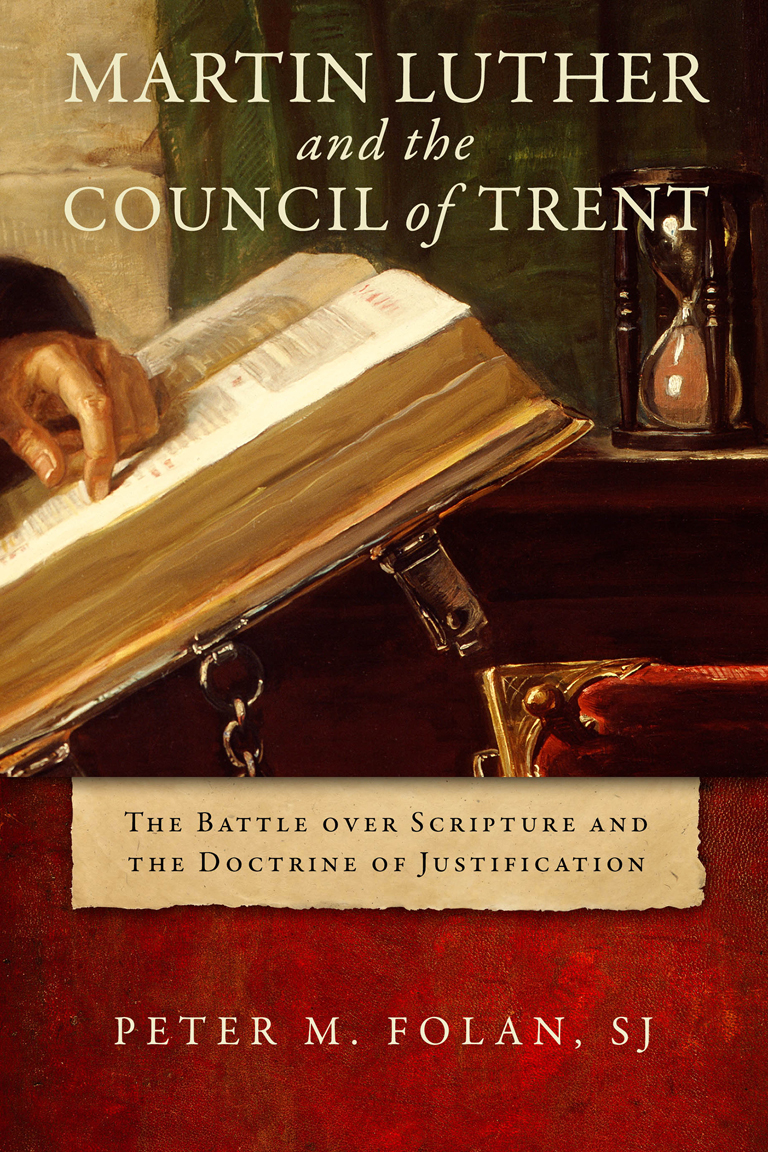
25 reviewsAs Catholics and Lutherans continue to engage in dialogue about their shared faith and differing confessions, the need remains for a discerning study of the ways in which the Bible functioned in the Reformation’s central theological clash: the understanding and import of the doctrine of justification. Peter Folan’s incisive analysis in this volume fulfills that need. Through a careful reading of the debate’s most significant texts, he shows both how Martin Luther and the Council of Trent relied upon scripture to arrive at their respective formulations of the doctrine and how such seemingly divergent conclusions about the human person’s salvation in Christ could be grounded in the same sacred book.
This study begins with an examination of the key texts that Luther and his allies produced on justification and then turns to their Catholic respondents, whose work would ultimately inform the Council of Trent’s decree on the doctrine. By comparing precisely which texts both parties relied upon to articulate and defend their positions, Folan puts into sharp relief how infrequently both sides made use of the same biblical passages and, when they did avail themselves of the same passages, just how distinct their interpretive tendencies were. This book will be a critical addition to the libraries of scholars and students in Catholic and Lutheran biblical hermeneutics, Catholic-Lutheran dialogue, ecumenical studies, and church history.
4.7
22 reviews
4.3
41 reviews
4.8
39 reviews
4.5
28 reviews
4.9
7 reviews
4.9
8 reviews
4.3
24 reviews
4.5
13 reviews
4.3
13 reviews