Most ebook files are in PDF format, so you can easily read them using various software such as Foxit Reader or directly on the Google Chrome browser.
Some ebook files are released by publishers in other formats such as .awz, .mobi, .epub, .fb2, etc. You may need to install specific software to read these formats on mobile/PC, such as Calibre.
Please read the tutorial at this link. https://ebooknice.com/page/post?id=faq
We offer FREE conversion to the popular formats you request; however, this may take some time. Therefore, right after payment, please email us, and we will try to provide the service as quickly as possible.
For some exceptional file formats or broken links (if any), please refrain from opening any disputes. Instead, email us first, and we will try to assist within a maximum of 6 hours.
EbookNice Team
Status:
Available0.0
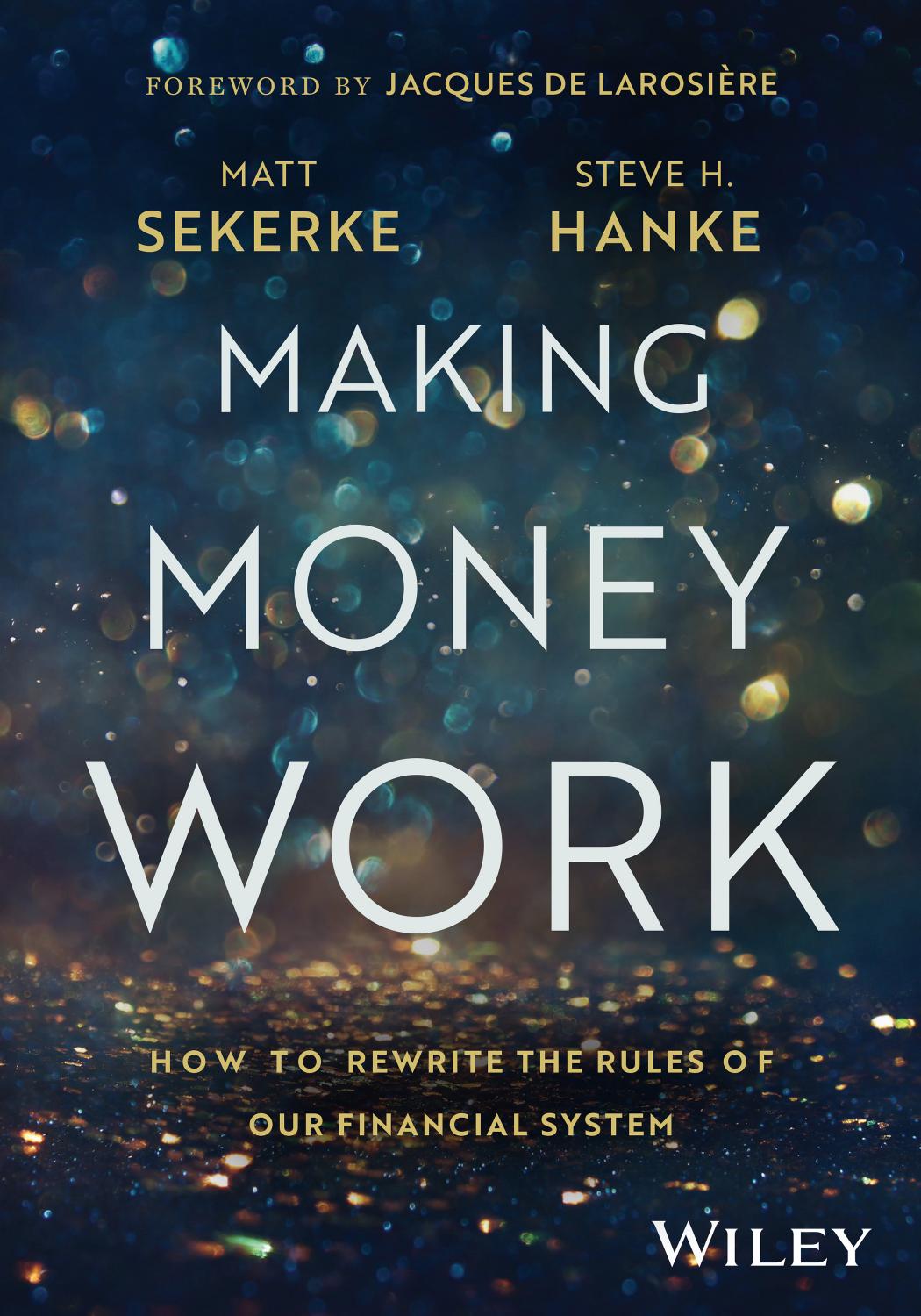
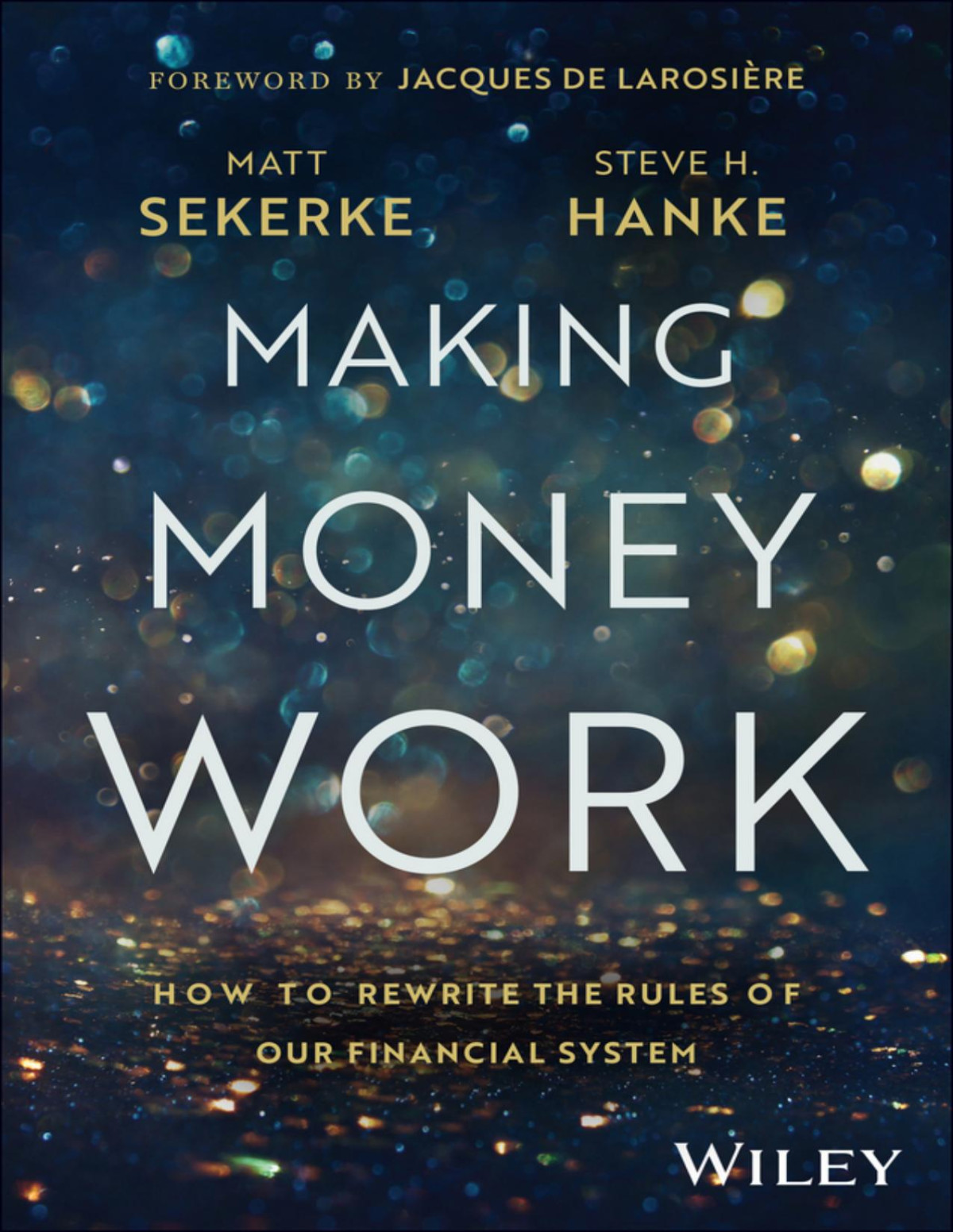
0 reviewsIn their exploration, Sekerke and Hanke solve many problems and puzzles and shed light on several important questions:
-Why economists misunderstand the structure and function of the monetary system
-The central role of the commercial banking system in fiat money regimes, and why commercial banks are not like other financial intermediaries
-The economic and regulatory constraints on bank money creation
-The interplay between banking and capital markets in funding investment projects
-How the “banks” that dominate the international financial landscape distort the lines between banking and capital markets business
-Why banking regulation and fiscal policy determine and constrain monetary policy to an equal or greater extent than central bank actions
Sekerke and Hanke trace important post-crisis policy developments and sketch the broad strokes of a new operating model that would restore the performance of the monetary system and make better use of aggregate savings:
-Making neutrality the explicit goal of monetary policy, properly understood
-Increasing the supply of bankable projects and keeping them on bank balance sheets
-Breaking the financial system's fatal attraction to land and real estate
-Reducing regulatory distortions in lending markets
-Reforming universal banking institutions and stimulating competition
-Transitioning to a quantity-based monetary policy framework
An engaging and incisive guide to the global systems of money and banking, Making Money Work is destined to become a sought-after classic for bankers, finance professionals, policymakers, regulators, academics, and laypeople with an
…
4.9
26 reviews
4.9
9 reviews

4.5
19 reviews
4.8
26 reviews
4.8
23 reviews