
Most ebook files are in PDF format, so you can easily read them using various software such as Foxit Reader or directly on the Google Chrome browser.
Some ebook files are released by publishers in other formats such as .awz, .mobi, .epub, .fb2, etc. You may need to install specific software to read these formats on mobile/PC, such as Calibre.
Please read the tutorial at this link. https://ebooknice.com/page/post?id=faq
We offer FREE conversion to the popular formats you request; however, this may take some time. Therefore, right after payment, please email us, and we will try to provide the service as quickly as possible.
For some exceptional file formats or broken links (if any), please refrain from opening any disputes. Instead, email us first, and we will try to assist within a maximum of 6 hours.
EbookNice Team
Status:
Available0.0
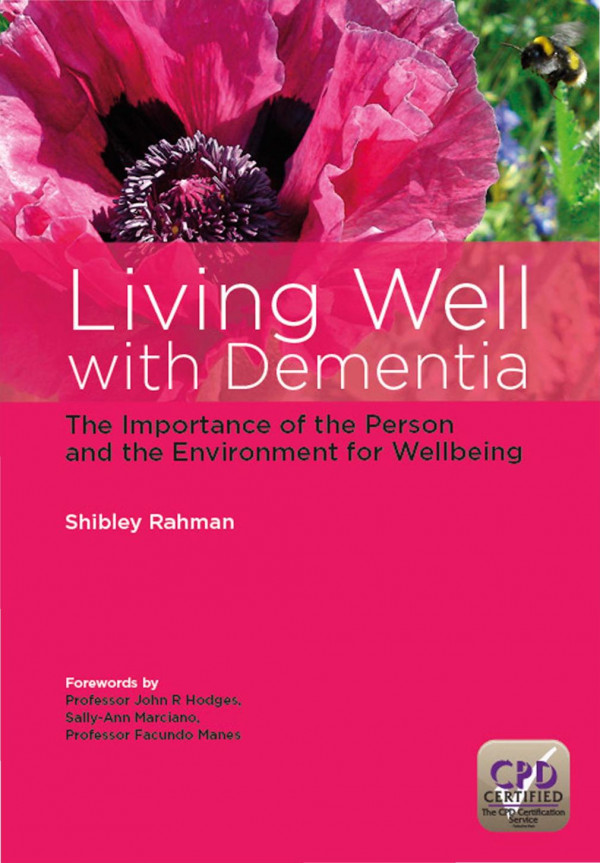
0 reviews(Ebook) Living Well with Dementia The Importance of the Person and the Environment for Wellbeing 1st Edition by Shibley Rahman, John R Hodges, Sally Ann Marciano, Facundo Manes - Ebook PDF Instant Download/Delivery: 9780429091872 ,0429091877
Full download (Ebook) Living Well with Dementia The Importance of the Person and the Environment for Wellbeing 1st Edition after payment
Product details:
ISBN 10: 0429091877
ISBN 13: 9780429091872
Author: Shibley Rahman, John R Hodges, Sally Ann Marciano, Facundo Manes
(Ebook) Living Well with Dementia The Importance of the Person and the Environment for Wellbeing 1st Edition Table of contents:
1 Introduction
Opening Remarks
The Scale of the ‘Challenge’
Responding to the ‘Challenge’
The Nice Quality Standard on ‘Supporting People to Live Well with Dementia’
Overview
Chapter Headings
Chapter Synopses
Further Information
Looking to the Future
References
2 What is ‘Living Well’?
Definition of Wellbeing
Wellbeing as a Goal
What is Dementia?
The Importance of the Environment for Wellbeing
The Impact of Wellbeing in Dementia: Uk Health Policy
The ‘Prime Minister’S Dementia Challenge’
A Question of Language: ‘Prompt’, ‘Early’ or ‘Timely’?
The Optimisation of the Environment
Ward Environments
Assistive Technology
Where to Next?
Websites
References
3 Measuring Living Well with Dementia
Why is Wellbeing Important for Public Health?
How is Wellbeing Defined?
Wellbeing as a Public Health Policy Goal
Implementing Wellbeing Domains in National and International Policy
Measuring ‘Health-Related Quality of Life’
Cross-Sectional Studies
Comparisons with Normative Populations
Impact on Carers
Welbeing and Physical Health
General Models of Health-Related Quality of Life
Dementia-Specific Models of Health-Related Quality of Life
Disease-Specific Measures
Activity and Affect Indicators of Quality of Life
Dementia Care Mapping
Dem-Qol
Dementia Quality of Life Instrument
Quality of Life–Alzheimer’S Disease
Alzheimer’S Disease–Related Quality of Life
Quality of Life Assessment Schedule
What Factors Generally Affect Wellbeing and Health-Related Quality of Life?
What can be Done to Improve Wellbeing in Dementia?
Improve Mood
Maintain Health
Staff Attitudes
Reduce Use of Antipsychotic Medication
Enhance Relationship with Carer
Encourage Family Involvement
Improving Cognitive Function?
Creative Approaches
Conclusion
References
4 Socio-Economic Arguments for Promoting Living Well with Dementia
An Economic as well as a Social Case for Promoting Wellbeing in Health Policy?
The World’S Economy and Dementia of the Alzheimer Type
Important Cost-Effective Interventions
Cognitive Stimulation Therapy
Occupational Therapy
Interventions Targeted on Carers
Psycho-Educational Support
Psychosocial Intervention
The Economic Case for Assistive Technology
Conclusion
References
5 A Public Health Perspective on Living Well with Dementia, and the Debate Over Screening
The Impact of Dementia: Why it is a Public Health Issue at All
Behavioural and Psychological Symptoms
Risk Factors for Dementia or Dementia of the Alzheimer Type
English Public Health Strategy
Screening
Wilson and Jungner Criteria for Screening (Wilson and Jungner, 1968)
Knowledge of Disease
Knowledge of Test
Treatment for Disease
Cost Considerations
Current UK Criteria for Screening
The Condition
The Test
The Treatment
The Screening Programme
Limitations of Screening
Potential Dangers of Screening
Concerns of Gps at the End of 2012
Further Discussion Between Professor Brayne and Professor Burns and their Colleagues in the Bmj
Early Diagnosis
Harm
The Screening ‘Test’
‘Opportunistic Screening’ and Primary Care Involvement
The Growing Importance of ‘Wellbeing’
Communicating The Public Health Message: Avoiding ‘Moral Panic’
Conclusion
Websites
References
6 The Relevance of the Person for Living Well with Dementia
An Overview of the Importance of Physical and Mental Health for Living Well in Dementia
Services that Help Maintain Physical and Mental Health and Wellbeing
The Importance of Carers
A Person-Centred Care Approach
Factors Contributing to, and Indicators of, Wellbeing
Personhood as Central to Person-Centred Care
Maintaining Personhood in Dementia Care
Person-Centred Care and ‘Dementia Care Mapping’
Whole Person Care
Physical Health: Nutrition and ‘Dignity in Care’
Equality and Diversity Considerations
‘Think Local, Act Personal’
Conclusion
Website
References
7 Leisure activities and living well with dementia
The Importance of Activity and Social Networks
A Focus on Leisure Activities
Nice Recommendation and Quality Standard
The ‘Rough-Hewn Hypothesis’ and Leisure Activities
How to Promote ‘Choice and Control’
Rationale
Local Arrangements
The High Level of Inactivity in Care Homes
Cognition and Activities
Intergenerational Activities
Website
References
8 Maintaining wellbeing in end-of-life care for living well with dementia
Support for Carers
Symptoms in the Later Stages
Memory Loss
Problems with Communication
Loss of Mobility
Sleep Disorders and ‘Sundowning’
Eating and Weight Loss
Problems with Continence
Health Risks
Pressure Ulcers
Adverse Effects of Medication
Illness and Discomfort
Overview of Principles of Management
Medication
What Care or Treatment may be Offered?
What may be Most Likely to Cause an Individual’S Eventual Death?
Dying Well in Dementia
National Council for Palliative Care Recommendations for An Early Diagnosis
Dealing with Pain in Advanced Dementia
Eating and Drinking
Websites
References
9 Living well with specific types of dementia: a cognitive neurology perspective
Dementia of the Alzheimer Type
Pathology
Spatial Cognition
Wayfinding
Driving and Dementia of the Alzheimer Type
‘The Social Animal’
Response to Stress and Resilience
Contextual Learning
Behavioural Variant Frontotemporal Dementia and The Social Context
The ‘Social Context Network Model’
The Following Chapter
References
10 General activities that encourage wellbeing
Reminiscence Therapy
Storytelling
‘Many Happy Returns’
The Circa Project
Other Types of Activities that Promote Wellbeing
Dancing
Exercise
Animal Therapy
Socialising
Music
Gardening
Websites
References
11 DecisioN-Making, Capacity and Advocacy in Living Well with Dementia
Information
The Purpose of Advocacy
Quality Statement on the Need for Independent Dementia Advocacy
Advocacy Standards
Person-Centred Advocacy
Principles of Advocacy
Impact of Dementia on the Individual
Communication and Interpersonal Skills
How Advocacy Affects Different Populations
Mental Capacity Act 2005
A ‘Two Stage Test of Mental Capacity’
Key Questions for Determining Whether Someone can make A Decision
Independent Mental Capacity Advocacy
Best Interests
Communication Difficulties and Advocacy
Provision of Advocacy
Fundamental Principles of Advocacy
Communication
Capacity
Consent
Changes
Autonomy, Control and Choice
‘Advocacy Manifesto’
Diversity and Equality
Financial Abuse
Decision-Making for People with Dementia who Lack Capacity
Conclusion
Website
References
12 Communication and living well with dementia
The National Dementia Strategy and Communication
Communication Skills from Carers
Basic Components of Communication
The Importance of Skilled Communication
Communicating with People with Dementia
Communication Strategies
The Doctor–Patient Consultation
Verbal Communication
Difficulties in Verbal Communication: A Cognitive Perspective
Non-Verbal Communication
Means of Non-Verbal Communication
Active Listening
The Importance of the Carer
Facilitating Communication
Websites
References
13 Home and Ward Design to Promote Living Well with Dementia
General Issues of Design
The Challenge
Public Spaces
Dementia-Friendly Gardens
Decorating Rooms: General Principles
Specific Parts of the House
Balconies
Bathroom Design for People with Dementia
Kitchen Design for People with Dementia
Bedroom Design for People with Dementia
Living Room Design for People with Dementia
Dining Room Design for Individuals with Dementia
Important Sensory Considerations
Lighting and Vision
Colours
The Acoustic Environment
Care Homes
Bedrooms
Gardens
Ward Settings: The ‘Enhancing The Healing Environment’ Initiative from the King’S Fund
Recommended Reading
Dementia Services Development Centre (2010A) Designing Balconies, Roof Terraces and Roof
Recommended Websites
References
14 Assistive technology and living well with dementia
What is Assistive Technology?
Benefits of Assistive Technology
Limitations of Assistive Technology
What Assistive Technology is Available?
Adaptations
Improving Wellbeing
A Framework for Quality of Life and Assistive Technologies: The Independent Project
The Enable Project
The Rosetta Project
Discretionary Powers to Assist with Housing Repairs, Adaptations and Improvements
Telecare
Devices to Enable Safer Walking
Devices to Oversee Daily Activity
Other Aids
Innovations from the Design Council
Telehealth
General Ethical Principles Governing Telecare
Ethical Considerations of Telecare
Wellbeing Considerations About Social Isolation
Smart Homes
Websites
References
15 Ambient assiSted Living and the Innovation Culture
Demographics
Ambient Assisted Living
The European Union Perspective on Ambient Assisted Living
Challenges in Aal (The European Ambient Assisted Living Innovation Alliance)
Information and Communications Technologies on Older People
An Innovation Culture and the Diffusion of Innovations
Soprano
The Aaliance Project
The Nocturnal Project
Coach
References
16 The importance of built environments for living well with dementia
Nature
The Challenges of Ageing
I’Dgo
Tactile Paving
Shared Spaces
‘Environmental Supportiveness’
Unique Environment–Person Interactions
Environmental Influences and Activity
Inclusive Design
How can Environments be used Supportively to Improve Wellbeing in Dementia?
Moving Forward
Websites
References
17 Dementia-friendly communities and living well with dementia
Context
Domestic and International Context
What is a ‘Dementia-Friendly Community’?
Where Exactly did the Concept of ‘Dementia-Friendly Communities’ Come From?
Why Encourage ‘Dementia-Friendly Communities’?
The growing numbers of people with dementia
The economic arguments
The value of independence and interdependence
The wish to remain connected to communities
The interconnectedness of community life
The need to create inclusive local communities
Why Involve Individuals with Dementia in the Design of ‘Dementia-Friendly Communities’?
What do Individuals with Dementia Appear to want from ‘Dementia-Friendly Communities’?
The Four Cornerstones Model
The ‘Socio-Economic Position’
An Example of Making a Community ‘Dementia Friendly’
The Benefits of ‘Resilient Communities’
Some Examples of Dementia-Friendly Communities
Financial institutions
Schools
Emergency services
Energy providers
Leisure
Transport
Retail
Websites
References
18 Conclusion
Resilience
The Importance of Other Disciplines
Closing Remarks
References
Index
People also search for (Ebook) Living Well with Dementia The Importance of the Person and the Environment for Wellbeing 1st Edition:
dementia living in the memories of god
8 dimensions of life
8 dimensions of well-being
7 dimensions of wellness for seniors
5 benefits of living with positive mental health
Tags: Shibley Rahman, John R Hodges, Sally Ann Marciano, Facundo Manes, Living Well, Environment, Wellbeing


4.6
12 reviews

4.7
9 reviews



4.8
14 reviews