
Most ebook files are in PDF format, so you can easily read them using various software such as Foxit Reader or directly on the Google Chrome browser.
Some ebook files are released by publishers in other formats such as .awz, .mobi, .epub, .fb2, etc. You may need to install specific software to read these formats on mobile/PC, such as Calibre.
Please read the tutorial at this link. https://ebooknice.com/page/post?id=faq
We offer FREE conversion to the popular formats you request; however, this may take some time. Therefore, right after payment, please email us, and we will try to provide the service as quickly as possible.
For some exceptional file formats or broken links (if any), please refrain from opening any disputes. Instead, email us first, and we will try to assist within a maximum of 6 hours.
EbookNice Team
Status:
Available0.0
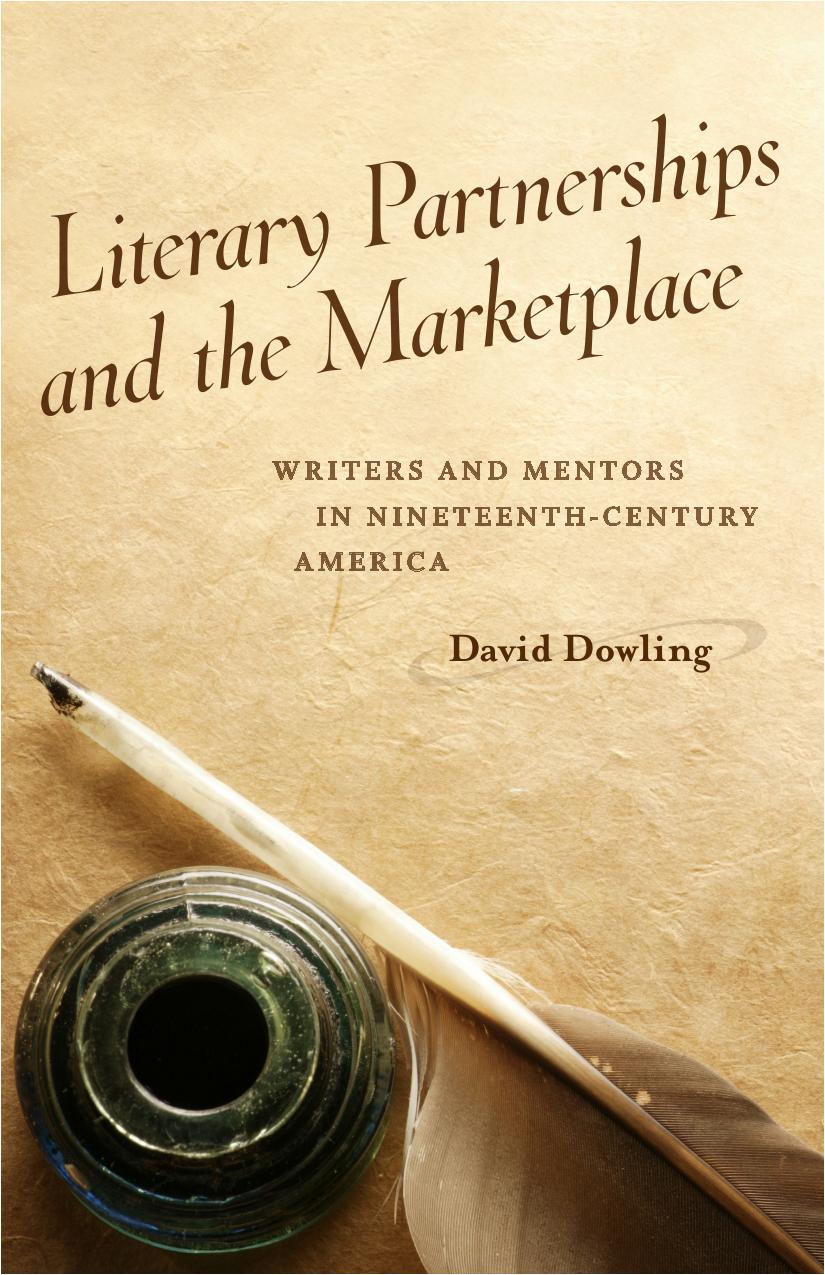
0 reviewsIn Literary Partnerships and the Marketplace, David Dowling examines an often-overlooked aspect of the history of publishing -- relationships, of both a business and a personal nature. The book focuses on several intriguing duos of the nineteenth century and explores the economics of literary partnerships between author/publisher, student/mentor, husband/wife, and parent/child.These literary companions range from Emerson's promotion of Thoreau -- a relationship fraught with pitfalls and misjudgments -- to "Davis, Inc.," the seamless joining of the literary and legal minds of Rebecca Harding Davis and her husband, L. Clarke Davis.Dowling also considers and analyzes the teams of Washington Irving and his publisher, John Murray; Herman Melville and his editor, Evert Duyckinck; E. D. E. N. Southworth and Robert Bonner, the publisher who serialized her sentimental novels; Fanny Fern both with her brother/publisher, Nathaniel Parker Willis, and with Robert Bonner, the latter a more successful pairing; and the famous fraternal relationship between Ernest Hemingway and Gertrude Stein.Throughout, Dowling demonstrates the intrinsic irony of authors projecting their labors of the mind as autonomous even as they relied heavily on their "literary partners" to aid them in navigating the business side of writing.
4.6
24 reviews
4.5
39 reviews
4.5
14 reviews
5.0
39 reviews
4.6
20 reviews
4.8
25 reviews
4.5
10 reviews
4.5
38 reviews
4.8
25 reviews
4.3
29 reviews