
Most ebook files are in PDF format, so you can easily read them using various software such as Foxit Reader or directly on the Google Chrome browser.
Some ebook files are released by publishers in other formats such as .awz, .mobi, .epub, .fb2, etc. You may need to install specific software to read these formats on mobile/PC, such as Calibre.
Please read the tutorial at this link. https://ebooknice.com/page/post?id=faq
We offer FREE conversion to the popular formats you request; however, this may take some time. Therefore, right after payment, please email us, and we will try to provide the service as quickly as possible.
For some exceptional file formats or broken links (if any), please refrain from opening any disputes. Instead, email us first, and we will try to assist within a maximum of 6 hours.
EbookNice Team
Status:
Available4.9
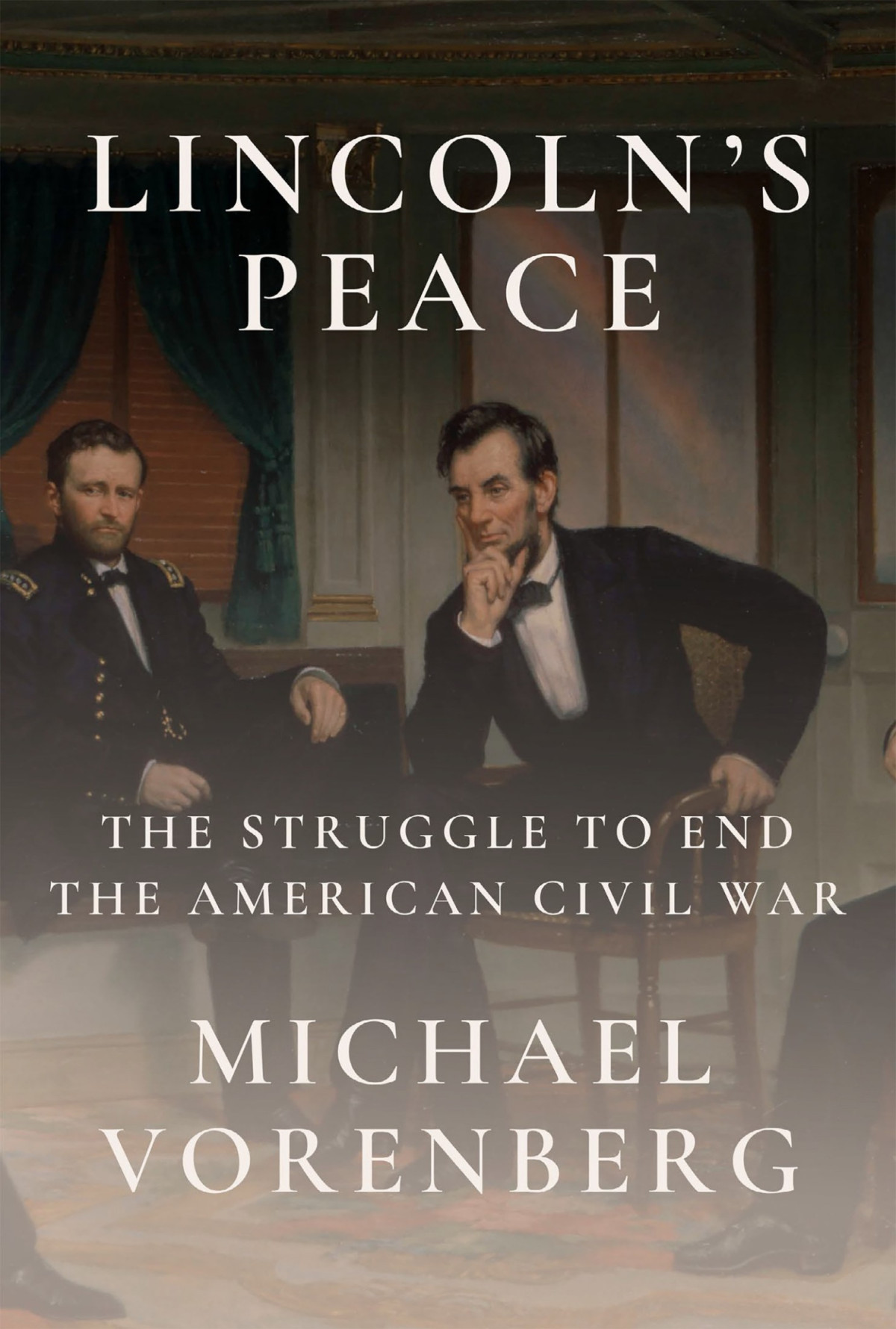
15 reviewsOne historian’s journey to find the end of the Civil War—and, along the way, to expand our understanding of the nature of war itself and how societies struggle to draw the line between war and peace
We set out on the James River, March 25, 1865, aboard the paddle steamboat River Queen. President Lincoln is on his way to General Grant’s headquarters at City Point, Virginia, and he’s decided he won’t return to Washington until he’s witnessed, or perhaps even orchestrated, the end of the Civil War. Now, it turns out, more than a century and a half later, historians are still searching for that end.
Was it April 9, at Appomattox, as conventional wisdom holds, where Lee surrendered to Grant in Wilmer McLean’s parlor? Or was it ten weeks afterward, in Galveston, where a federal commander proclaimed Juneteenth the end of slavery? Or perhaps in August of 1866, when President Andrew Johnson simply declared “the insurrection is at an end”? That the answer was elusive was baffling even to a historian of the stature of Michael Vorenberg, whose work served as a key source of Steven Spielberg’s Lincoln. Vorenberg was inspired to write this groundbreaking book, finding its title in the peace Lincoln hoped for but could not make before his assassination. A peace that required not one but many endings, as Vorenberg reveals in these pages, the most important of which came well more than a year after Lincoln’s untimely death.
To say how a war ends is to suggest how it should be remembered, and Vorenberg’s search is not just for the Civil War’s endpoint but for its true nature and legacy, so essential to the American identity. It’s also a quest, in our age of “forever wars,” to understand whether the United States's interminable conflicts of the current era have a precedent in the Civil War—and whether, in a sense, wars ever end at all, or merely wax and wane.
4.9
12 reviews
4.3
14 reviews
5.0
11 reviews
4.6
7 reviews
4.4
40 reviews
4.6
24 reviews
4.8
23 reviews
4.6
25 reviews