logo
Product categories

EbookNice.com

Most ebook files are in PDF format, so you can easily read them using various software such as Foxit Reader or directly on the Google Chrome browser.
Some ebook files are released by publishers in other formats such as .awz, .mobi, .epub, .fb2, etc. You may need to install specific software to read these formats on mobile/PC, such as Calibre.

Please read the tutorial at this link.  https://ebooknice.com/page/post?id=faq


We offer FREE conversion to the popular formats you request; however, this may take some time. Therefore, right after payment, please email us, and we will try to provide the service as quickly as possible.


For some exceptional file formats or broken links (if any), please refrain from opening any disputes. Instead, email us first, and we will try to assist within a maximum of 6 hours.

EbookNice Team
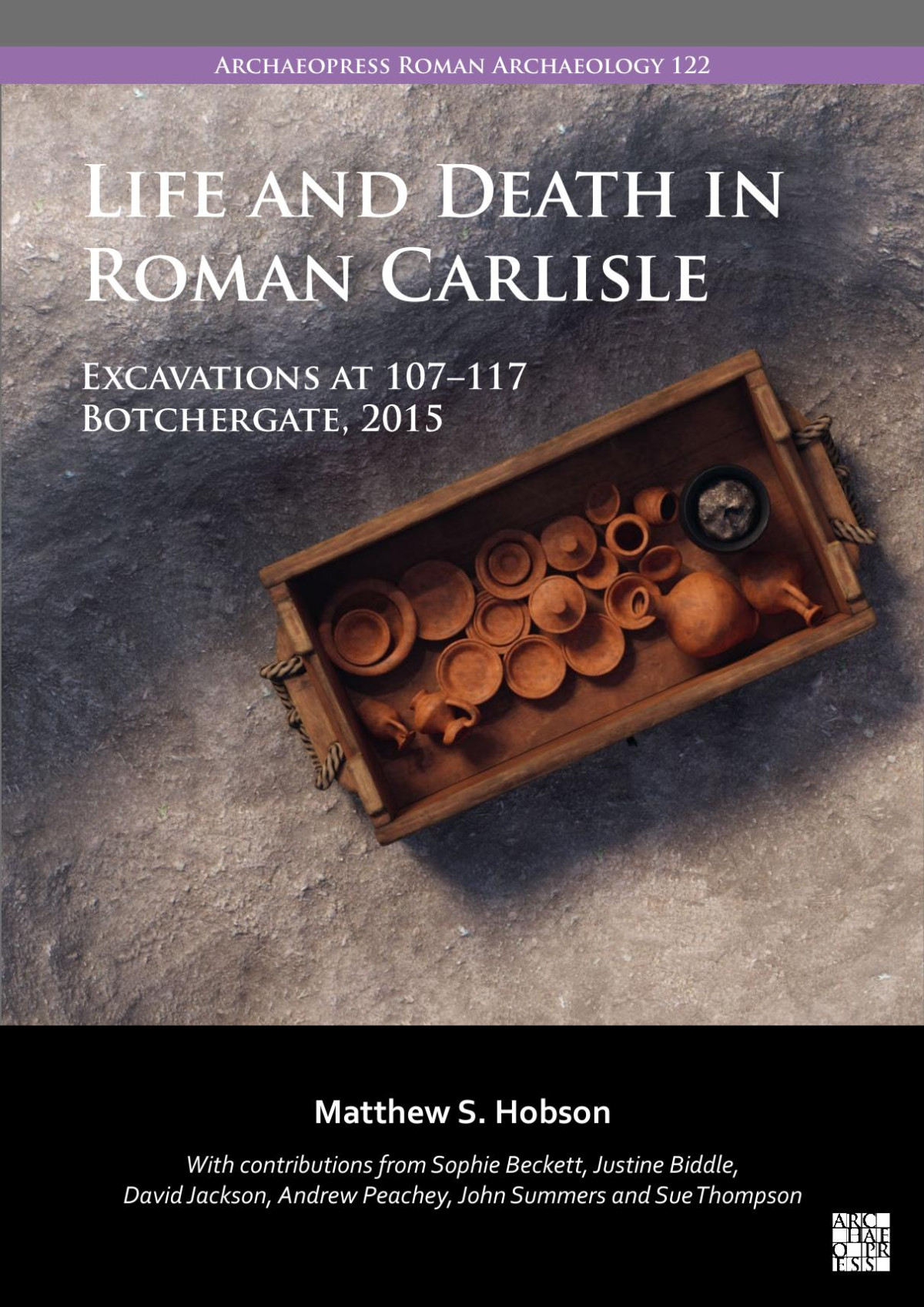
Life and Death in Roman Carlisle: Excavations at 107-117 Botchergate, 2015 by Matthew S. Hobson ISBN 9781803278445, 9781803278438, 1803278447, 1803278439 instant download

  • SKU: EBN-239857194
Zoomable Image
$ 32 $ 40 (-20%)

Status:

Available

5.0

37 reviews
Instant download (eBook) Life and Death in Roman Carlisle: Excavations at 107-117 Botchergate, 2015 after payment.
Authors:Matthew S. Hobson
Pages:194 pages
Year:2024
Publisher:Archaeopress Publishing Ltd
Language:english
File Size:14.72 MB
Format:pdf
ISBNS:9781803278445, 9781803278438, 1803278447, 1803278439
Categories: Ebooks

Product desciption

Life and Death in Roman Carlisle: Excavations at 107-117 Botchergate, 2015 by Matthew S. Hobson ISBN 9781803278445, 9781803278438, 1803278447, 1803278439 instant download

Life and Death in Roman Carlisle makes an important contribution to the study of burials and identity in the region of Hadrian’s Wall. The book presents the results of excavations beneath Cumbria House, a new municipal building on Botchergate in the city centre. 
-
In Roman times this was the location of part of a roadside cremation cemetery associated with a fort established by the Roman army in AD 73. Those buried in this part of the cemetery died in the years just prior to and during the building of Hadrian’s Wall, when Luguvalium was emerging as the most important Roman military base and largest urban centre in northwest Britain. As a result of this swift rise in profile, the early settlement-edge funerary enclosures quickly went out of use, being swallowed up and overbuilt by the expanding extramural settlement.
-
Early Roman Carlisle would have boasted a vibrant multicultural population, and this is reflected in its burial evidence. Among the remains of some twenty cremation burials excavated at Cumbria House are the two most richly furnished examples from northern Britain. While the large assemblages of ceramic grave goods are unlike those of any other burials in the military north, close parallels are known from the France/Belgium border, in the former territory of the Nervii. The Nervians were described by Julius Caesar as having the fiercest fighters of all the Gallic tribes and this area was a major source of recruitment for the Roman army. Most of the pottery vessels placed in the graves were produced locally, probably at kilns within Roman Carlisle, and thus must have been made to order by those familiar with both the burial rites and the ceramic repertoire of the Nervian region.
-
The presence of a community of Nervians living in Luguvalium in the early second century is a new discovery but fits well with previous arguments made about the possible replacement of the Ala Gallorum Sebosiana with another
*Free conversion of into popular formats such as PDF, DOCX, DOC, AZW, EPUB, and MOBI after payment.

Related Products