
Most ebook files are in PDF format, so you can easily read them using various software such as Foxit Reader or directly on the Google Chrome browser.
Some ebook files are released by publishers in other formats such as .awz, .mobi, .epub, .fb2, etc. You may need to install specific software to read these formats on mobile/PC, such as Calibre.
Please read the tutorial at this link. https://ebooknice.com/page/post?id=faq
We offer FREE conversion to the popular formats you request; however, this may take some time. Therefore, right after payment, please email us, and we will try to provide the service as quickly as possible.
For some exceptional file formats or broken links (if any), please refrain from opening any disputes. Instead, email us first, and we will try to assist within a maximum of 6 hours.
EbookNice Team
Status:
Available4.6
26 reviews
ISBN 10: 9888052497
ISBN 13: 9789888052493
Author: Shane Phillipson
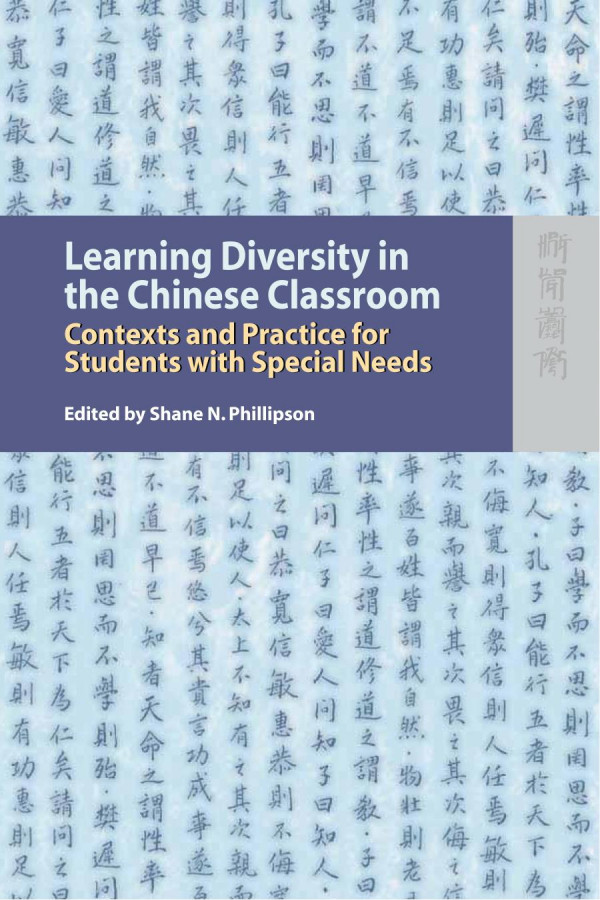
A unique feature of Learning Diversity in the Chinese Classroom is its Chinese context for meeting the educational requirements of children with special needs. At a time when many of the currently available texts in the area have a general perspective, Asian teachers and students have long felt the need for a text that specifically recognizes the local context. Learning Diversity in the Chinese Classroom notes that international trends, including those in many Southeast Asian countries are moving toward inclusive education and special needs, and includes chapters on giftedness, counseling and behavior management. Section 1 of the book describes the context of inclusive education in Asia. Summaries of the special features of the classroom in the region, the conceptions of inclusion and cultural diversity from the perspective of the Asian classroom, and how these are different to the Western classroom are provided. Section 2 focuses on various approaches to meeting the educational and socio-emotional needs of children in the inclusive classroom. The first part is concerned with theoretical underpinnings of the type of need, and the second part describes examples of how a teacher can cater for this type of diversity according to subject, including mathematics, Chinese, English, information technology, and arts. Section 3 widens the perspective and describes a whole-school approach to meeting the educational requirements of children with special needs. A systems approach is taken, whereby the success of the inclusive school is dependent on the functioning of a number of interrelated parts. This section draws from recent case studies which describe the approaches taken by a number of schools that have been successful in implementing inclusive education. Learning Diversity in the Chinese Classroom will appeal to teachers, parents, health professionals who are working with children with special educational needs.
Chapter1 : Introduction
Chapter 2: Content
Chapter 3: Conclusion
Chapter 4: Appendices
Chapter 5: Glossary
Chapter 6: References
Chapter 7: Index
learning about diversity in the classroom
learning chinese culture
chinese classroom culture
chinese classrooms
learning chinese in america
Tags: Shane Phillipson, Learning Diversity, Chinese Classroom, Special Needs
4.7
40 reviews
4.5
6 reviews
4.7
23 reviews
4.6
9 reviews
4.8
13 reviews
5.0
7 reviews
5.0
39 reviews
5.0
11 reviews