logo
Product categories

EbookNice.com

Most ebook files are in PDF format, so you can easily read them using various software such as Foxit Reader or directly on the Google Chrome browser.
Some ebook files are released by publishers in other formats such as .awz, .mobi, .epub, .fb2, etc. You may need to install specific software to read these formats on mobile/PC, such as Calibre.

Please read the tutorial at this link.  https://ebooknice.com/page/post?id=faq


We offer FREE conversion to the popular formats you request; however, this may take some time. Therefore, right after payment, please email us, and we will try to provide the service as quickly as possible.


For some exceptional file formats or broken links (if any), please refrain from opening any disputes. Instead, email us first, and we will try to assist within a maximum of 6 hours.

EbookNice Team
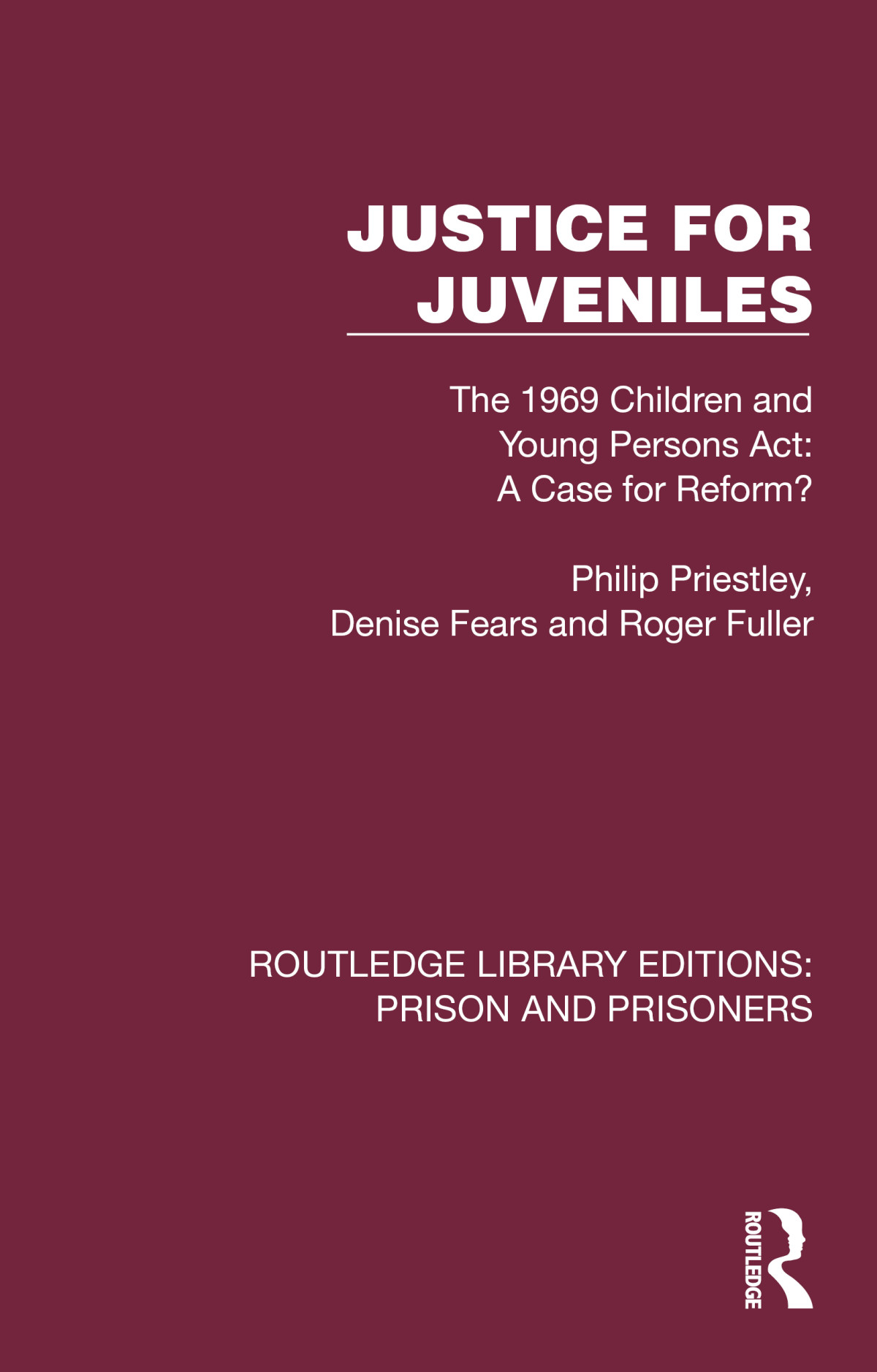
Justice for Juveniles: The 1969 Children and Young Persons Act: A Case for Reform? by Philip Priestley instant download

  • SKU: EBN-237334154
Zoomable Image
$ 32 $ 40 (-20%)

Status:

Available

4.8

8 reviews
Instant download (eBook) Justice for Juveniles: The 1969 Children and Young Persons Act: A Case for Reform? after payment.
Authors:Philip Priestley
Pages:updating ...
Year:2023
Publisher:Routledge
Language:english
File Size:1.33 MB
Format:epub
Categories: Ebooks

Product desciption

Justice for Juveniles: The 1969 Children and Young Persons Act: A Case for Reform? by Philip Priestley instant download

The working of the 1969 Children and Young Persons Act was the subject of much debate in the 1970s. Discussion had been strong on opinion and short on facts; this book, originally published in 1977, supplied some much-needed evidence, based on the results of a research project funded by the Home Office Research Unit. It also discusses the origins of the Act and its consequences for children and their families. The authors describe the way in which two groups of children were dealt with by the police, social workers, probation officers and juvenile courts during the first three months of 1972. Their findings depict a system which decides what to do with ‘children in trouble’ mainly on the basis of their offence behaviour rather than on assessments of their personal needs – a ‘judicial’ rather than ‘welfare’ system of the kind envisaged in the legislation. As a result of these observations, the authors conclude that ‘the idea of the juvenile court has been tried and found wanting, and that it suffers from the congenital defects which fresh applications of money or manpower will fail to cure.’ They recommend the abolition of the juvenile court and the raising of the age of criminal responsibility, proposing a number of controversial alternatives based on principles of non-intervention.
*Free conversion of into popular formats such as PDF, DOCX, DOC, AZW, EPUB, and MOBI after payment.

Related Products