
Most ebook files are in PDF format, so you can easily read them using various software such as Foxit Reader or directly on the Google Chrome browser.
Some ebook files are released by publishers in other formats such as .awz, .mobi, .epub, .fb2, etc. You may need to install specific software to read these formats on mobile/PC, such as Calibre.
Please read the tutorial at this link. https://ebooknice.com/page/post?id=faq
We offer FREE conversion to the popular formats you request; however, this may take some time. Therefore, right after payment, please email us, and we will try to provide the service as quickly as possible.
For some exceptional file formats or broken links (if any), please refrain from opening any disputes. Instead, email us first, and we will try to assist within a maximum of 6 hours.
EbookNice Team
Status:
Available0.0
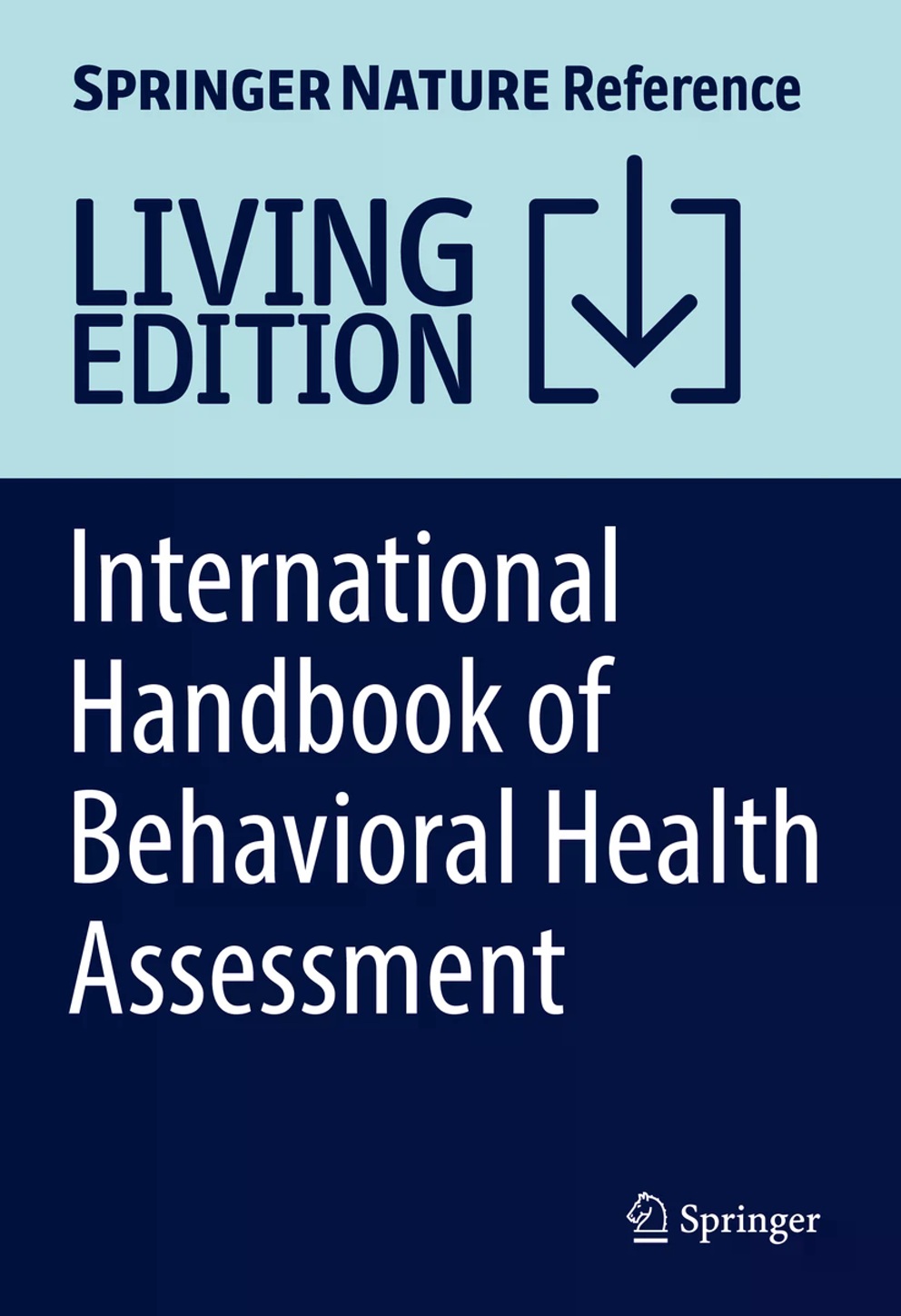
0 reviewsThe handbook examines conceptual foundations, development, and psychometric properties of rating scales in determining the appropriateness of the scale for diverse cultural and linguistic contexts. It presents validated language versions of each scale to ensure convenience and accuracy in identifying relevant scales for projects. The book groups scales by areas of application ranging from addictions and affective disorders to quality of life, mindfulness, and general health contexts. It presents a range of self-report assessment tools used in behavioral health research for which more than one language version is available to assist in the selection of a relevant scale in a specific language as well as to identify gaps for future research and guide development of new language versions to capture insufficiently studied populations.
Key areas of coverage include:
Nature and theoretical foundations of assessment.
Language and terminology in behavioral health assessment.
Cross-cultural validation of self-report scales.
Translation of self-report inventories.
Indigenous perspectives on behavioral health.
Statistical techniques used in scale developments and validation.
Addictions.
Affective disorders.
Coping.
Mindfulness.
Positive psychology constructs.
Quality of life, well-being, happiness, and life satisfaction.
Spirituality
4.7
40 reviews
4.6
26 reviews
5.0
38 reviews


4.8
24 reviews

4.4
29 reviews
4.6
15 reviews
4.4
22 reviews