Most ebook files are in PDF format, so you can easily read them using various software such as Foxit Reader or directly on the Google Chrome browser.
Some ebook files are released by publishers in other formats such as .awz, .mobi, .epub, .fb2, etc. You may need to install specific software to read these formats on mobile/PC, such as Calibre.
Please read the tutorial at this link. https://ebooknice.com/page/post?id=faq
We offer FREE conversion to the popular formats you request; however, this may take some time. Therefore, right after payment, please email us, and we will try to provide the service as quickly as possible.
For some exceptional file formats or broken links (if any), please refrain from opening any disputes. Instead, email us first, and we will try to assist within a maximum of 6 hours.
EbookNice Team
Status:
Available4.8
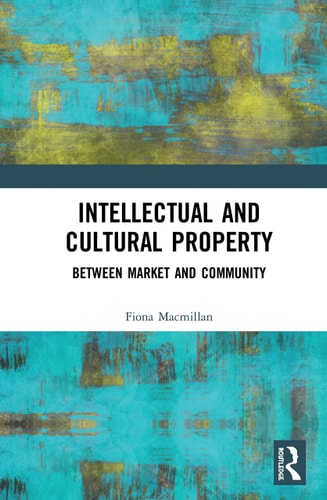
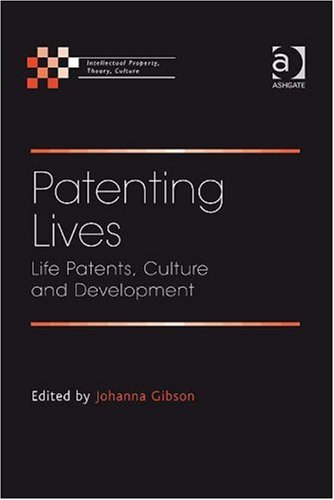
20 reviewsThe competing discourses in international legal instruments around copyright and intangible cultural heritage are the most obvious manifestation of this troubled encounter. However, this characterization of the relationship between intellectual and cultural property is in itself problematic, not least because it reflects a fossilized concept of heritage, divided between things that are fixed and moveable, tangible and intangible. Instead the book maintains that heritage should be conceived as part of a dynamic and mutually constitutive process of community formation. It argues, therefore, for a critically important distinction between the fundamentally different concepts of not only intellectual and cultural heritage/property, but also of the market and the community. For while copyright as a private property right locates all relationships in the context of the market, the context of cultural heritage relationships is the community, of which the market forms a part but does not – and, indeed, should not – control the whole. The concept of cultural property/heritage, then, is a way of resisting the reduction of everything to its value in the market, a way of resisting the commodification, and creeping propertization, of everything. And, as such, the book proposes an alternative basis for expressing and controlling value according to the norms and identity of a community, and not according to the market value of private property rights.
An important and original intervention, this book will appeal to academics and practitioners in both intellectual property and the arts, as well as legal and cultural theorists with interests in this area.
DOI: 10.4324/9780429425844
5.0
30 reviews
4.7
18 reviews
5.0
9 reviews
4.5
6 reviews

4.8
28 reviews