Most ebook files are in PDF format, so you can easily read them using various software such as Foxit Reader or directly on the Google Chrome browser.
Some ebook files are released by publishers in other formats such as .awz, .mobi, .epub, .fb2, etc. You may need to install specific software to read these formats on mobile/PC, such as Calibre.
Please read the tutorial at this link. https://ebooknice.com/page/post?id=faq
We offer FREE conversion to the popular formats you request; however, this may take some time. Therefore, right after payment, please email us, and we will try to provide the service as quickly as possible.
For some exceptional file formats or broken links (if any), please refrain from opening any disputes. Instead, email us first, and we will try to assist within a maximum of 6 hours.
EbookNice Team
Status:
Available4.9
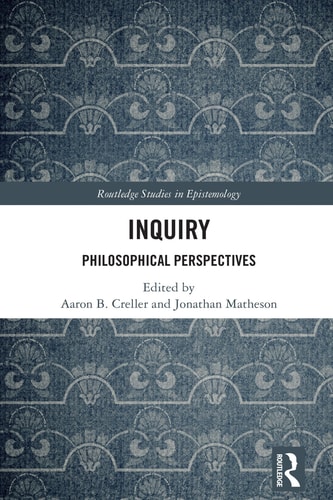
8 reviewsInquiry is a fundamental human practice. We have questions, and we want answers. These questions span numerous domains and range from the trivial to questions of the utmost importance. Without inquiry, and successful inquiry in particular, our fate is bleak. Inquiry is also familiar. Everyone engages in inquiry. In fact, inquiry (of some sort) is something that we engage in every day. However, while inquiry is both fundamental and familiar, only recently have epistemologists turned to focus explicitly on inquiry. The result is a growing literature concerning questions like the following:
Does inquiry have an aim?
If so, what is the aim of inquiry?
What norms govern inquiry?
How are epistemic norms and norms of inquiry related?
What does inquiry look like with an epistemic division of labor?
Is it ever permissible to interfere with the inquiry of another person?
What is the relationship between inquiry and belief? Knowledge? Wisdom?
How do bias and prejudice affect inquiry?
What is the nature and role of attitudes like curiosity and wonder?
Inquiry: Philosophical Perspectives builds on the existing debates surrounding these questions, advancing them, and taking them in new directions. It will appeal primarily to scholars and graduate students working in epistemology, philosophy of language, philosophy of mind, and philosophy of science.
4.5
40 reviews
4.5
26 reviews

4.8
13 reviews