logo
Product categories

EbookNice.com

Most ebook files are in PDF format, so you can easily read them using various software such as Foxit Reader or directly on the Google Chrome browser.
Some ebook files are released by publishers in other formats such as .awz, .mobi, .epub, .fb2, etc. You may need to install specific software to read these formats on mobile/PC, such as Calibre.

Please read the tutorial at this link.  https://ebooknice.com/page/post?id=faq


We offer FREE conversion to the popular formats you request; however, this may take some time. Therefore, right after payment, please email us, and we will try to provide the service as quickly as possible.


For some exceptional file formats or broken links (if any), please refrain from opening any disputes. Instead, email us first, and we will try to assist within a maximum of 6 hours.

EbookNice Team
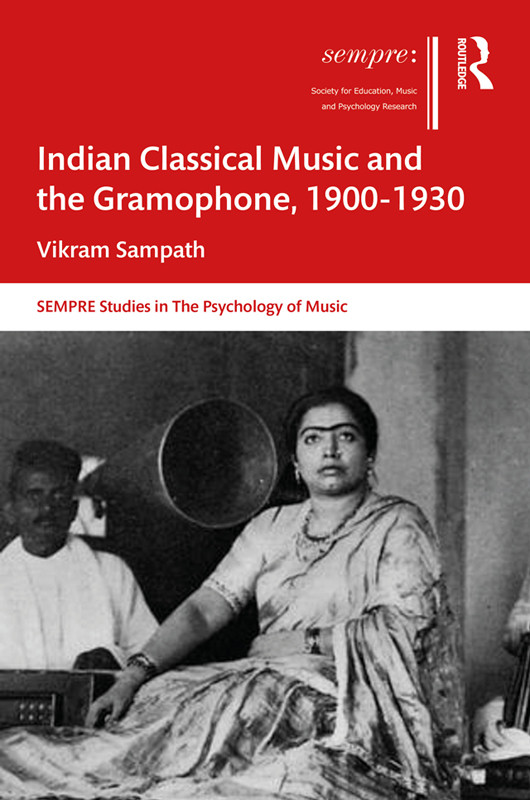
Indian Classical Music and the Gramophone, 1900–1930 by Vikram Sampath instant download

  • SKU: EBN-238923784
Zoomable Image
$ 32 $ 40 (-20%)

Status:

Available

0.0

0 reviews
Instant download (eBook) Indian Classical Music and the Gramophone, 1900–1930 after payment.
Authors:Vikram Sampath
Pages:updating ...
Year:2022
Publisher:Routledge
Language:english
File Size:5.43 MB
Format:epub
Categories: Ebooks

Product desciption

Indian Classical Music and the Gramophone, 1900–1930 by Vikram Sampath instant download

In 1902 The Gramophone Company in London sent out recording experts on “expeditions” across the world to record voices from different cultures and backgrounds. All over India it was women who embraced the challenge of overcoming several social taboos and aesthetic handicaps that came along with this nascent technology. Women who took the plunge and recorded largely belonged to the courtesan community, called tawaifs and devadasis, in North and South India respectively. Recording brought with it great fame, brand recognition, freedom from exploitative patrons, and monetary benefits to the women singers. They were to become pioneers of the music industry in the Indian sub-continent. However, despite the pioneering role played by these women, their stories have largely been forgotten. Contemporaneous with the courtesan women adapting to recording technology was the Anti-Nautch campaign that sought to abolish these women from the performing space and brand them as common prostitutes. A vigorous renaissance and arts revival movement followed, leading to the creation of a new classical paradigm in both North Indian (Hindustani) and South Indian (Carnatic) classical music. This resulted in the standardization, universalization, and institutionalization of Indian classical music. This newly created classical paradigm impacted future recordings of The Gramophone Company in terms of a shift in genres and styles. Vikram Sampath sheds light on the role and impact of The Gramophone Company's early recording expeditions on Indian classical music by examining the phenomenon through a socio-cultural, historical and musical lens. The book features the indefatigable stories of the women and their experiences in adapting to recording technology. The artists from across India featured are: Gauhar Jaan of Calcutta, Janki Bai of Allahabad, Zohra Bai of Agra, Malka Jaan of Agra, Salem Godavari, Bangalore Nagarathnamma, Coimbatore Thayi, Dhanakoti of Kanchipuram, Bai Sundarabai of Pune and
*Free conversion of into popular formats such as PDF, DOCX, DOC, AZW, EPUB, and MOBI after payment.

Related Products