
Most ebook files are in PDF format, so you can easily read them using various software such as Foxit Reader or directly on the Google Chrome browser.
Some ebook files are released by publishers in other formats such as .awz, .mobi, .epub, .fb2, etc. You may need to install specific software to read these formats on mobile/PC, such as Calibre.
Please read the tutorial at this link. https://ebooknice.com/page/post?id=faq
We offer FREE conversion to the popular formats you request; however, this may take some time. Therefore, right after payment, please email us, and we will try to provide the service as quickly as possible.
For some exceptional file formats or broken links (if any), please refrain from opening any disputes. Instead, email us first, and we will try to assist within a maximum of 6 hours.
EbookNice Team
Status:
Available4.5
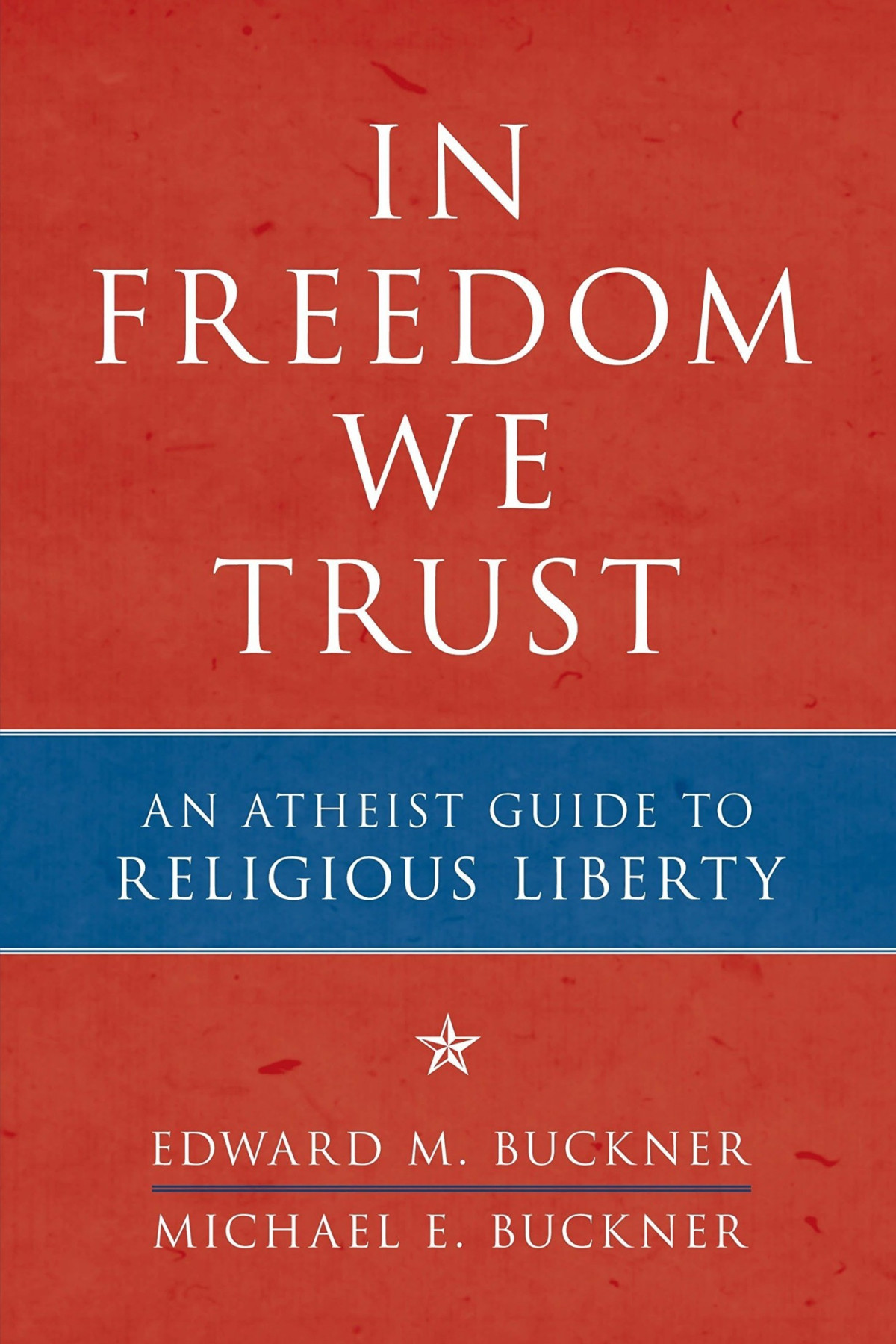
22 reviewsOpponents attack the president of the United States for not being a real Christian. Bitter arguments erupt over whether the United States is or should be a Christian nation. Sound familiar? These contentious issues are not just recent developments but were also the topics of fierce debate in the late eighteenth century. Like President Obama today, President Thomas Jefferson had to contend with accusations that his religious convictions were questionable. Against complaints that the writers of the Constitution did not invoke God, John Adams replied, "It will never be pretended that any persons employed in that service had interviews with the gods." This book covers these and other related issues from the two-centuries-long debate over religion and secularism in America. Taking an unabashedly atheistic point of view, the father-and-son authors argue that everyone--from evangelical Christian to ardent atheist--needs a secular America and separation of church and state. They examine the decidedly unchristian roots of the Fourth of July, the important difference between "tolerance" and "toleration," the misleading confusions related to the difference between "public" and "governmental," the value of secular schooling, the erroneous contention that atheism is equivalent to immorality and therefore dangerous, and a host of other contemporary and historical topics. With a list of key dates related to the history of secular America, notes, bibliography, and glossary, In Freedom We Trust offers important facts and arguments for secular humanists and anyone with an interest in freedom of conscience.
"Edward and Michael Buckner know what they are talking about, and they bring the full force and depth of that knowledge to this extraordinary book. At turns passionate and reflective, serious and light, In Freedom We Trust is a major contribution to understanding how religion and government intersect in the United States - and how they do not and must not. Most of all, the B
5.0
26 reviews
4.7
8 reviews
4.6
32 reviews
5.0
33 reviews
4.7
7 reviews
5.0
29 reviews
4.6
5 reviews
4.6
37 reviews
4.5
26 reviews