
Most ebook files are in PDF format, so you can easily read them using various software such as Foxit Reader or directly on the Google Chrome browser.
Some ebook files are released by publishers in other formats such as .awz, .mobi, .epub, .fb2, etc. You may need to install specific software to read these formats on mobile/PC, such as Calibre.
Please read the tutorial at this link. https://ebooknice.com/page/post?id=faq
We offer FREE conversion to the popular formats you request; however, this may take some time. Therefore, right after payment, please email us, and we will try to provide the service as quickly as possible.
For some exceptional file formats or broken links (if any), please refrain from opening any disputes. Instead, email us first, and we will try to assist within a maximum of 6 hours.
EbookNice Team
Status:
Available4.5
8 reviewsindustries, redefining job roles and transforming the way we live and
work. While much of the conversation on AI revolves around its
capabilities, the more critical question is: How can we, as humans,
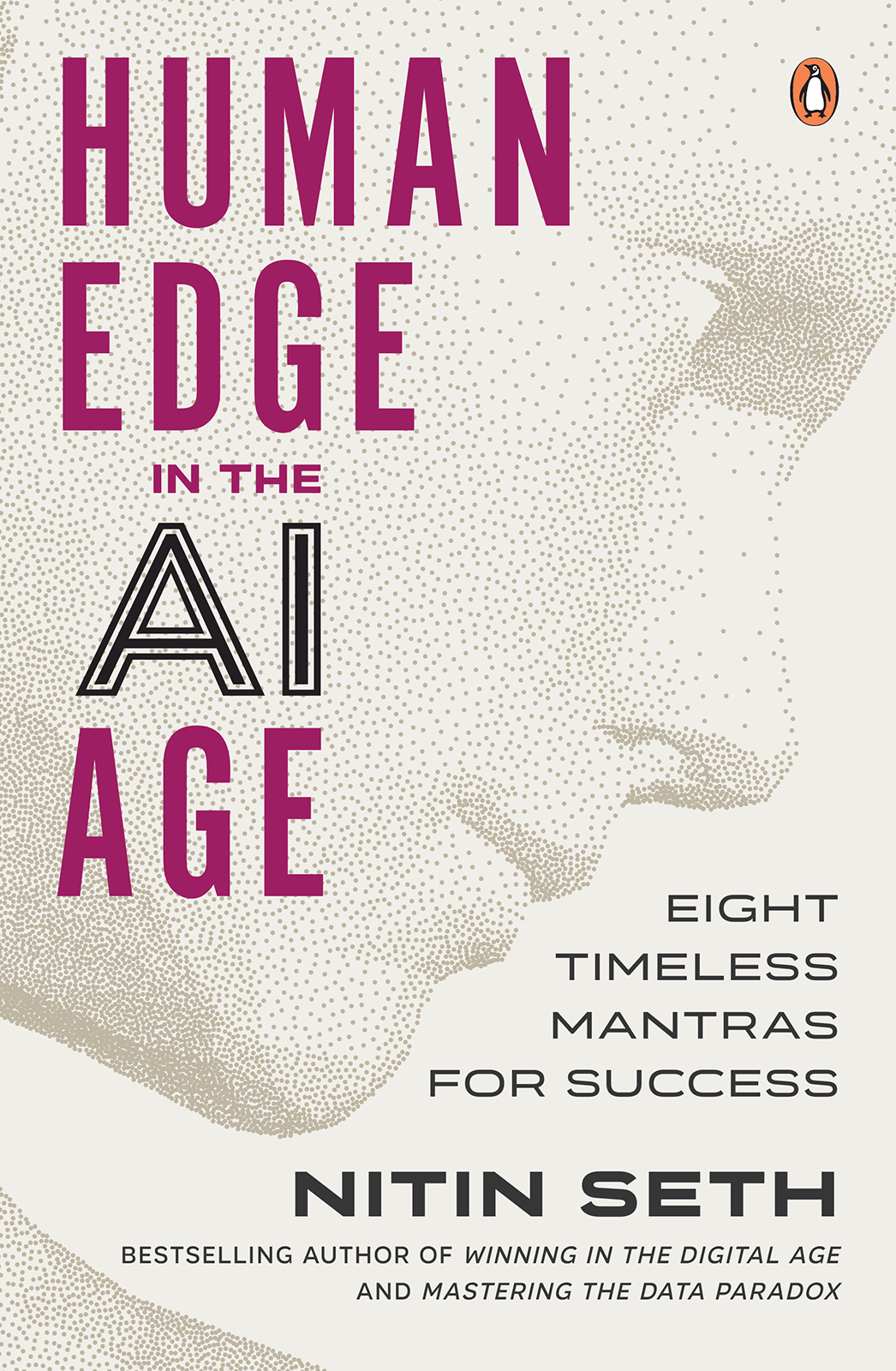
stay relevant and thrive in the AI age? This book, Human Edge in
the AI Age, is my attempt to explore this fundamental question.
After my first two books, Winning in the Digital Age and Mastering
the Data Paradox, it was a natural progression for my next book to
focus on AI—completing what I call the trifecta of transformation:
digital, data and AI. These are the three mutually reinforcing
megatrends reshaping every aspect of our lives, work and society.
But while this book centres on AI, it takes a different path from my
earlier work. My previous books approached digital and data through
a business and technology lens. With AI, the questions run deeper.
AI isn’t just transforming industries, it’s challenging what it means to
be human. Therefore, this book is an attempt to grapple with the
fundamental human questions the AI age compels us to ask:
What does AI mean for us as human beings—what are the real
risks and the real opportunities?
As machines grow more capable, what will remain our uniquely
human edge?
And how can we consciously prepare—individually and
collectively—to strengthen or reinvent that edge?
I chose this theme because I believe there is still too little informed,
balanced dialogue on the deeper human questions AI raises.
---
4.4
7 reviews
4.7
26 reviews
4.5
32 reviews
4.9
5 reviews
4.6
18 reviews
4.9
29 reviews
5.0
7 reviews