
Most ebook files are in PDF format, so you can easily read them using various software such as Foxit Reader or directly on the Google Chrome browser.
Some ebook files are released by publishers in other formats such as .awz, .mobi, .epub, .fb2, etc. You may need to install specific software to read these formats on mobile/PC, such as Calibre.
Please read the tutorial at this link. https://ebooknice.com/page/post?id=faq
We offer FREE conversion to the popular formats you request; however, this may take some time. Therefore, right after payment, please email us, and we will try to provide the service as quickly as possible.
For some exceptional file formats or broken links (if any), please refrain from opening any disputes. Instead, email us first, and we will try to assist within a maximum of 6 hours.
EbookNice Team
Status:
Available5.0
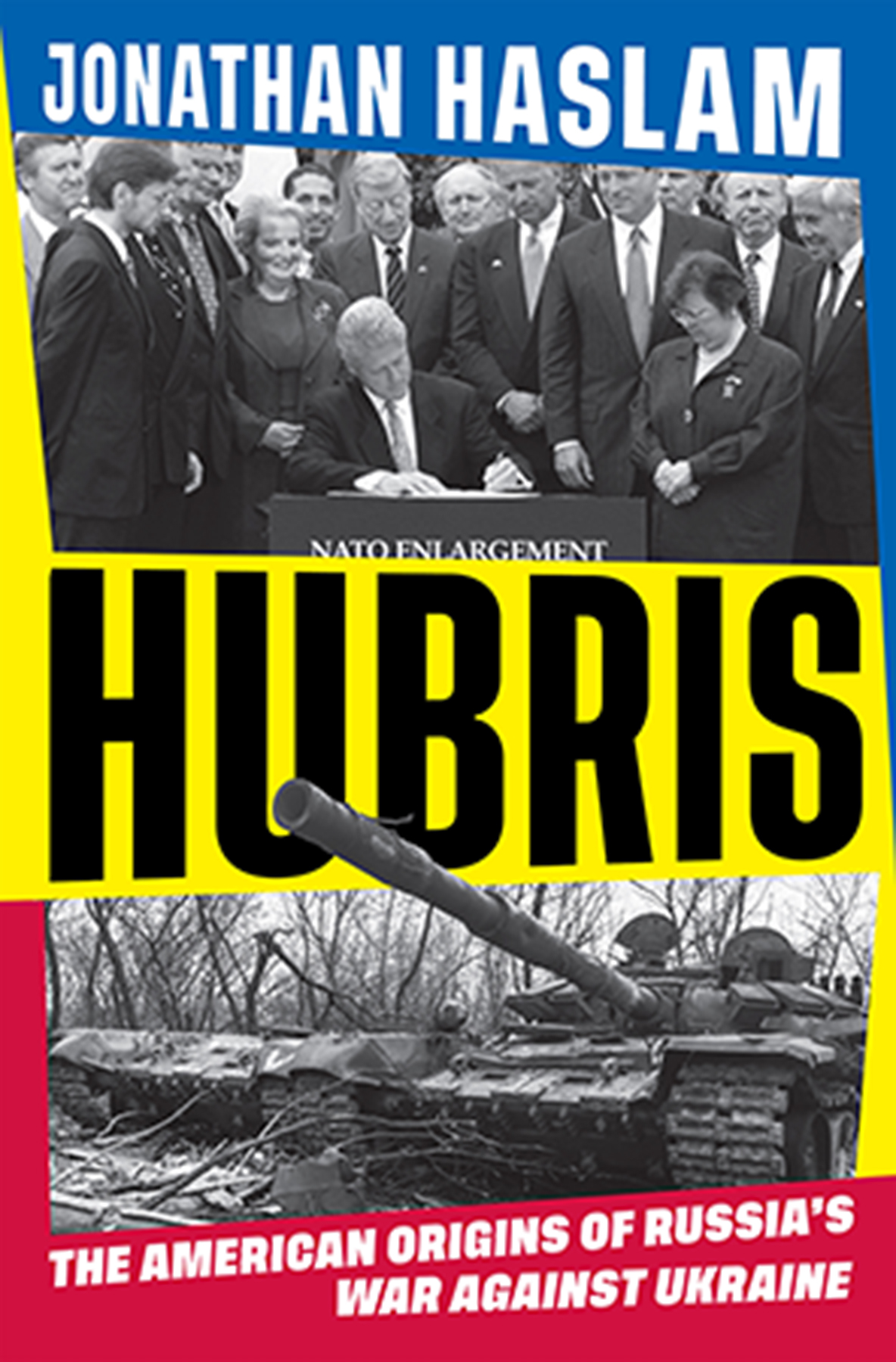
29 reviewsA leading expert on US-Russian relations reveals how the United States and its European allies set the course for the war in Ukraine--and offers a sobering indictment of American foreign policy since the fall of the Soviet Union.
Russia's full-scale invasion of Ukraine in February 2022 should not have taken the world by surprise. The attack escalated a war that began in 2014 with the Russian annexation of Crimea, but its origins are visible as far back as the aftermath of the Cold War, when newly independent Ukraine moved to the center of tense negotiations between Russia and the West. The United States was a leading player in this drama. In fact, Jonathan Haslam argues, it was decades of US foreign policy missteps and miscalculations, unchecked and often reinforced by European allies, that laid the groundwork for the current war.
Isolated, impoverished, and relegated to a second-order power on the world stage, Russia grew increasingly resentful of Western triumphalism in the wake of the Cold War. The United States further provoked Russian ire with a campaign to expand NATO into Eastern Europe--especially Ukraine, the most geopolitically important of the former Soviet republics. Determined to extend its global dominance, the United States repeatedly ignored signs that antagonizing Russia would bring consequences. Meanwhile, convinced that Ukraine was passing into the Western sphere of influence, Putin prepared to shift the European balance of power in Russia's favor.
Timely and incisive, Hubris reveals the assumptions, equivocations, and grievances that have defined the West's relations with Russia since the twilight of the Soviet Union--and ensured that collision was only a matter of time.
5.0
26 reviews
4.6
22 reviews
4.6
35 reviews
4.4
7 reviews

5.0
9 reviews
5.0
20 reviews
4.3
40 reviews
4.6
38 reviews