
Most ebook files are in PDF format, so you can easily read them using various software such as Foxit Reader or directly on the Google Chrome browser.
Some ebook files are released by publishers in other formats such as .awz, .mobi, .epub, .fb2, etc. You may need to install specific software to read these formats on mobile/PC, such as Calibre.
Please read the tutorial at this link. https://ebooknice.com/page/post?id=faq
We offer FREE conversion to the popular formats you request; however, this may take some time. Therefore, right after payment, please email us, and we will try to provide the service as quickly as possible.
For some exceptional file formats or broken links (if any), please refrain from opening any disputes. Instead, email us first, and we will try to assist within a maximum of 6 hours.
EbookNice Team
Status:
Available4.6
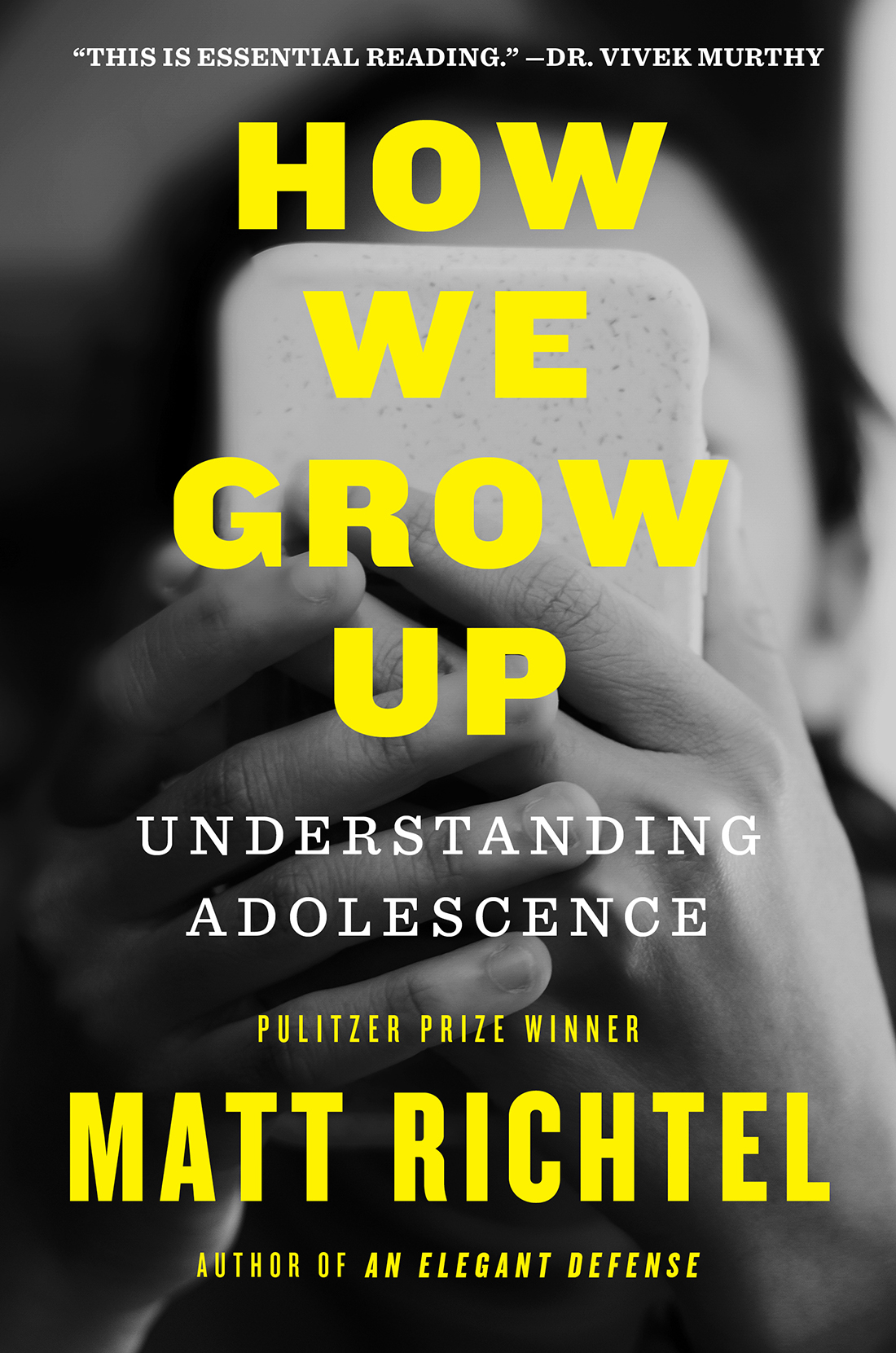
37 reviewsThe transition from childhood to adulthood is a natural, evolution-honed cycle that now faces radical change and challenge. The adolescent brain, sculpted for this transition over eons of evolution, confronts a modern world that creates so much social pressure as to regularly exceed the capacities of the evolving mind. The problem comes as a bombardment of screen-based information pelts the brain just as adolescence is undergoing a second key change: puberty is hitting earlier. The result is a neurological mismatch between an ultra-potent environment and a still-maturing brain that can lead to anxiety, depression, and other mental health challenges. It is a crisis that is part of modern life but can only be truly grasped through a broad, grounded lens of the biology of adolescence itself. Through this lens, Richtel shows us how adolescents can understand themselves, and parents and educators can better help.
For decades, this transition to adulthood has been defined by hormonal shifts that trigger the onset of puberty. But Richtel takes us where science now understands so much of the action is: the brain. A growing body of research that looks for the first time into budding adult neurobiology explains with untold clarity the emergence of the “social brain,” a craving for peer connection, and how the behaviors that follow pave the way for economic and social survival. This period necessarily involves testing—as the adolescent brain is programmed from birth to take risks and explore themselves and their environment—so that they may be able to thrive as they leave the insulated care of childhood.
Richtel, diving deeply into new research and gripping personal stories, offers accessible, scientifically grounded answers to the most pressing questions about generational change. What explains adolescent behaviors, risk-taking, reward-seeking, and the ongoing mental health crisis? How does adolescence shape the future of the species?


4.5
29 reviews
4.9
32 reviews
4.8
13 reviews

4.4
41 reviews
4.5
37 reviews
4.7
11 reviews
4.7
17 reviews