Most ebook files are in PDF format, so you can easily read them using various software such as Foxit Reader or directly on the Google Chrome browser.
Some ebook files are released by publishers in other formats such as .awz, .mobi, .epub, .fb2, etc. You may need to install specific software to read these formats on mobile/PC, such as Calibre.
Please read the tutorial at this link. https://ebooknice.com/page/post?id=faq
We offer FREE conversion to the popular formats you request; however, this may take some time. Therefore, right after payment, please email us, and we will try to provide the service as quickly as possible.
For some exceptional file formats or broken links (if any), please refrain from opening any disputes. Instead, email us first, and we will try to assist within a maximum of 6 hours.
EbookNice Team
Status:
Available4.8
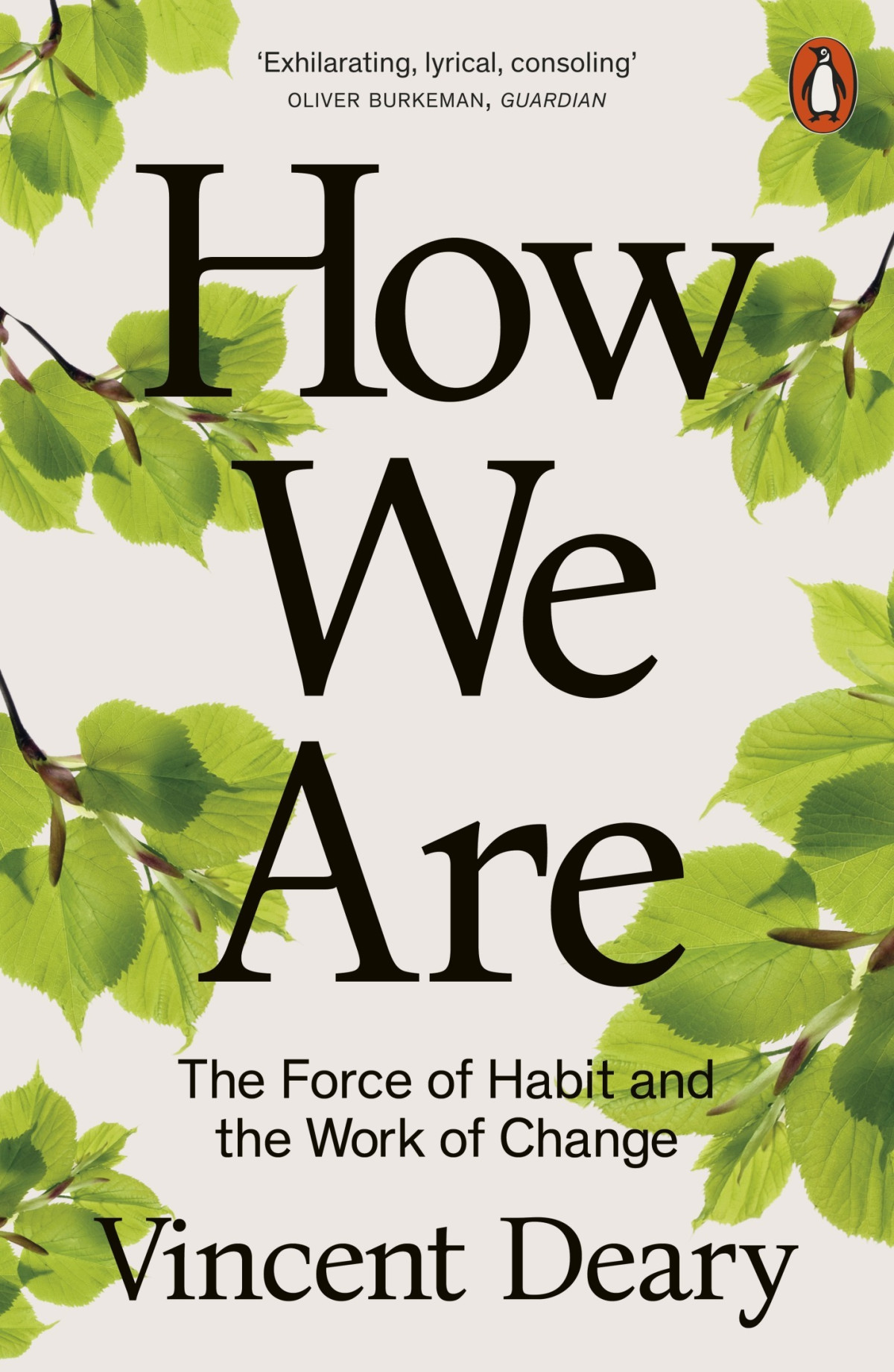
39 reviewsThe first book in a major new trilogy, How to Live: How We Are, How We Break, and How We MendWe live in small worlds. How We Are is an astonishing debut and the first part of the monumental How to Live trilogy, a profound and ambitious work that gets to the heart of what it means to be human: how we are, how we break, and how we mend. In Book One, How We Are, we explore the power of habit and the difficulty of change. As Vincent Deary shows us, we live most of our lives automatically, in small worlds of comfortable routine—what he calls Act One. Conscious change requires deliberate effort, so for the most part we avoid it. But inevitably, from within or without, something comes along to disturb our small worlds—some News from Elsewhere. And with reluctance, we begin the work of adjustment: Act Two. Over decades of psychotherapeutic work, Deary has witnessed the theater of change—how ordinary people get stuck, struggle with new circumstances, and finally transform for the better. He is keenly aware that novelists, poets, philosophers, and theologians have grappled with these experiences for far longer than psychologists. Drawing on his own personal experience and a staggering range of literary, philosophical, and cultural sources, Deary has produced a mesmerizing and universal portrait of the human condition. Part psychologist, part philosopher, part novelist, Deary helps us to see how we can resist being habit machines, and make our acts and our lives more fully our own.

4.9
11 reviews
4.5
9 reviews
4.9
30 reviews
4.8
17 reviews
4.9
37 reviews
4.9
8 reviews