Most ebook files are in PDF format, so you can easily read them using various software such as Foxit Reader or directly on the Google Chrome browser.
Some ebook files are released by publishers in other formats such as .awz, .mobi, .epub, .fb2, etc. You may need to install specific software to read these formats on mobile/PC, such as Calibre.
Please read the tutorial at this link. https://ebooknice.com/page/post?id=faq
We offer FREE conversion to the popular formats you request; however, this may take some time. Therefore, right after payment, please email us, and we will try to provide the service as quickly as possible.
For some exceptional file formats or broken links (if any), please refrain from opening any disputes. Instead, email us first, and we will try to assist within a maximum of 6 hours.
EbookNice Team
Status:
Available4.7
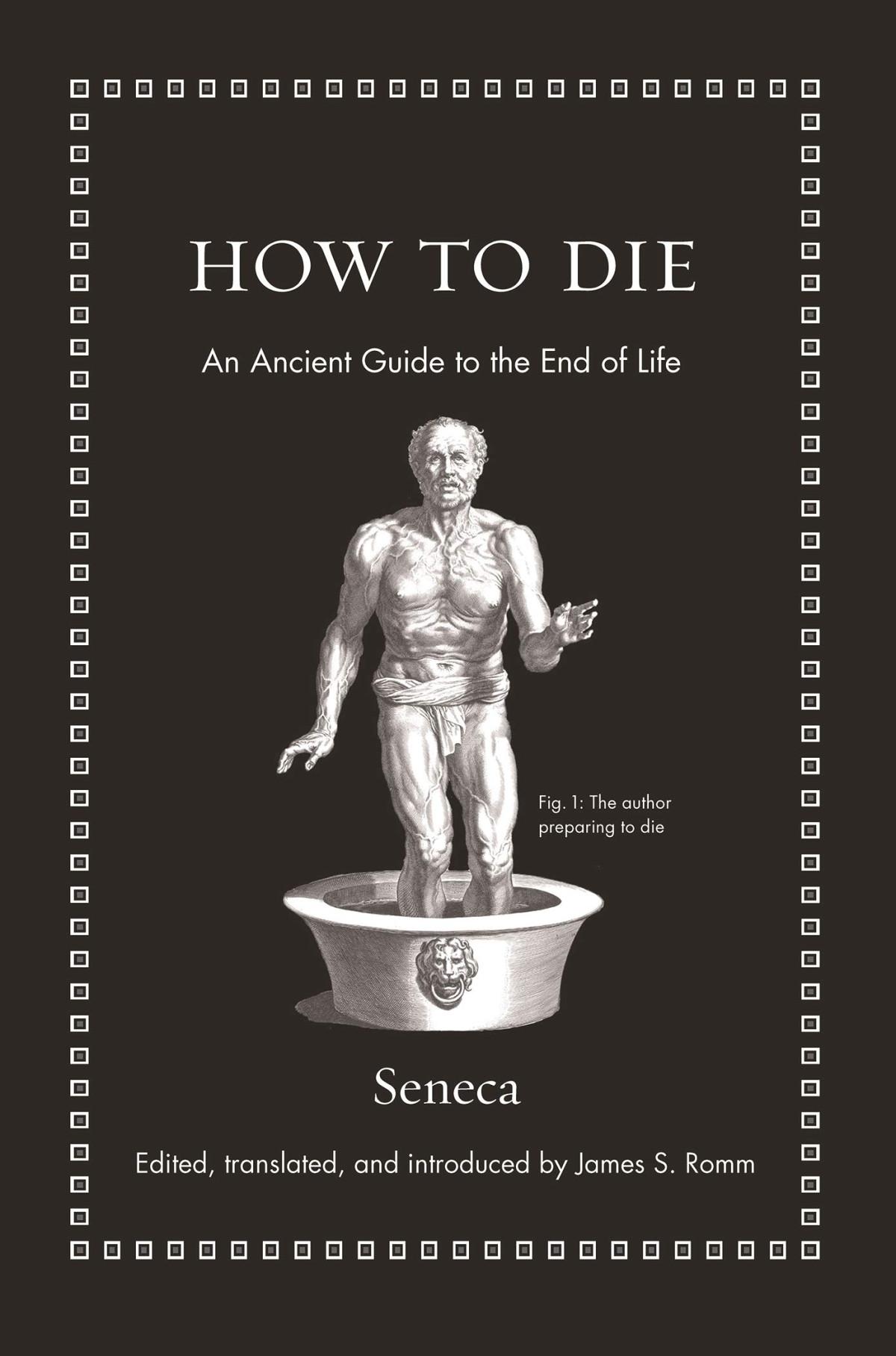
41 reviewsTimeless wisdom on death and dying from the celebrated Stoic philosopher Seneca
"It takes an entire lifetime to learn how to die," wrote the Roman Stoic philosopher Seneca (c. 4 BC-65 AD). He counseled readers to "study death always," and took his own advice, returning to the subject again and again in all his writings, yet he never treated it in a complete work. How to Die gathers in one volume, for the first time, Seneca's remarkable meditations on death and dying. Edited and translated by James S. Romm, How to Die reveals a provocative thinker and dazzling writer who speaks with a startling frankness about the need to accept death or even, under certain conditions, to seek it out.
Seneca believed that life is only a journey toward death and that one must rehearse for death throughout life. Here, he tells us how to practice for death, how to die well, and how to understand the role of a good death in a good life. He stresses the universality of death, its importance as life's final rite of passage, and its ability to liberate us from pain, slavery, or political oppression.
Featuring beautifully rendered new translations, How to Die also includes an enlightening introduction, notes, the original Latin texts, and an epilogue presenting Tacitus's description of Seneca's grim suicide.
5.0
12 reviews
4.6
36 reviews
4.5
22 reviews
4.8
26 reviews
4.8
6 reviews