
Most ebook files are in PDF format, so you can easily read them using various software such as Foxit Reader or directly on the Google Chrome browser.
Some ebook files are released by publishers in other formats such as .awz, .mobi, .epub, .fb2, etc. You may need to install specific software to read these formats on mobile/PC, such as Calibre.
Please read the tutorial at this link. https://ebooknice.com/page/post?id=faq
We offer FREE conversion to the popular formats you request; however, this may take some time. Therefore, right after payment, please email us, and we will try to provide the service as quickly as possible.
For some exceptional file formats or broken links (if any), please refrain from opening any disputes. Instead, email us first, and we will try to assist within a maximum of 6 hours.
EbookNice Team
Status:
Available4.9
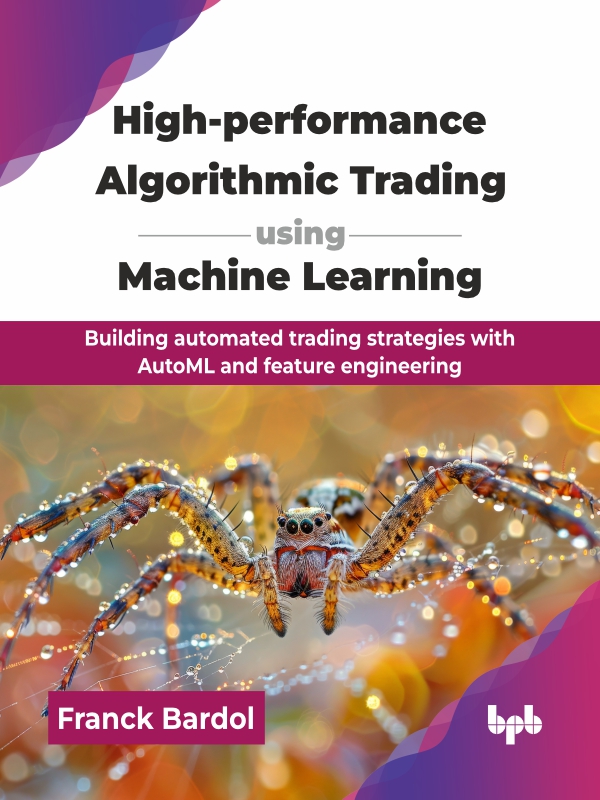
32 reviewsThis book is a practitioner’s blueprint for building production-grade ML trading systems from scratch. It goes far beyond basic return-sign classification tasks, which often fail in live markets, and delivers field-tested techniques used inside elite quant desks. It covers everything from the fundamentals of systematic trading and ML’s role in detecting patterns to data preparation, backtesting, and model lifecycle management using Python libraries. You will learn to implement supervised learning for advanced feature engineering and sophisticated ML models. You will also learn to use unsupervised learning for pattern detection, apply ultra-fast pattern matching to chartist strategies, and extract crucial trading signals from unstructured news and financial reports. Finally, you will be able to implement anomaly detection and association rules for comprehensive insights.
By the end of this book, you will be ready to design, test, and deploy intelligent trading strategies to institutional standards.
What you will learn
Build end-to-end machine learning pipelines for trading systems.
Apply unsupervised learning to detect anomalies and regime shifts.
Extract alpha signals from financial text using modern NLP.
Use AutoML to optimize features, models, and parameters.
Design fast pattern detectors from signal processing techniques.
Backtest event-driven strategies using professional-grade tools.
Interpret ML results with clear visualizations and plots.
4.6
26 reviews
4.7
26 reviews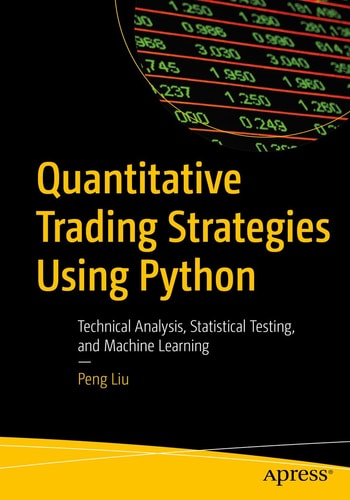
4.9
35 reviews
4.9
16 reviews
4.6
13 reviews
4.6
39 reviews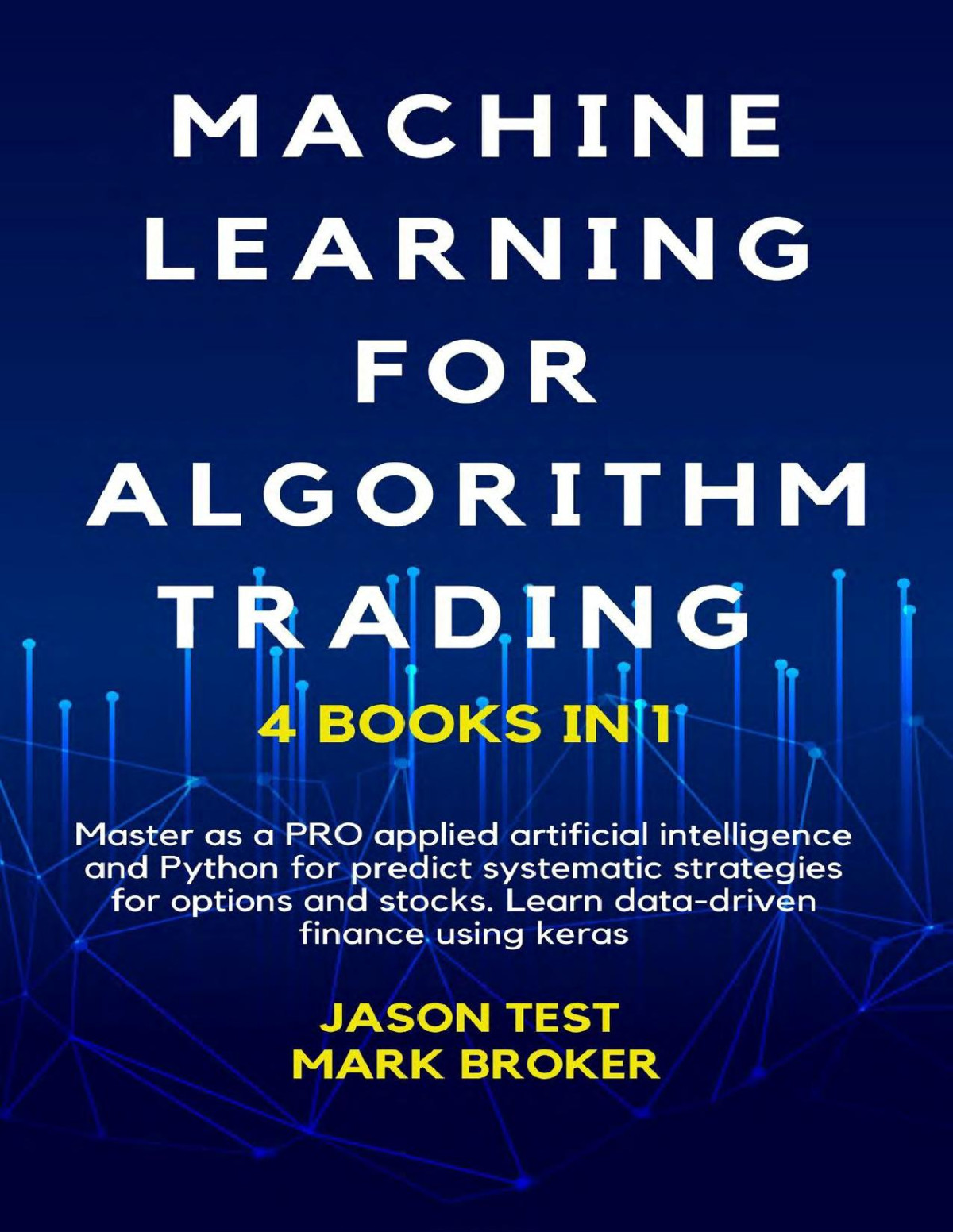
4.8
14 reviews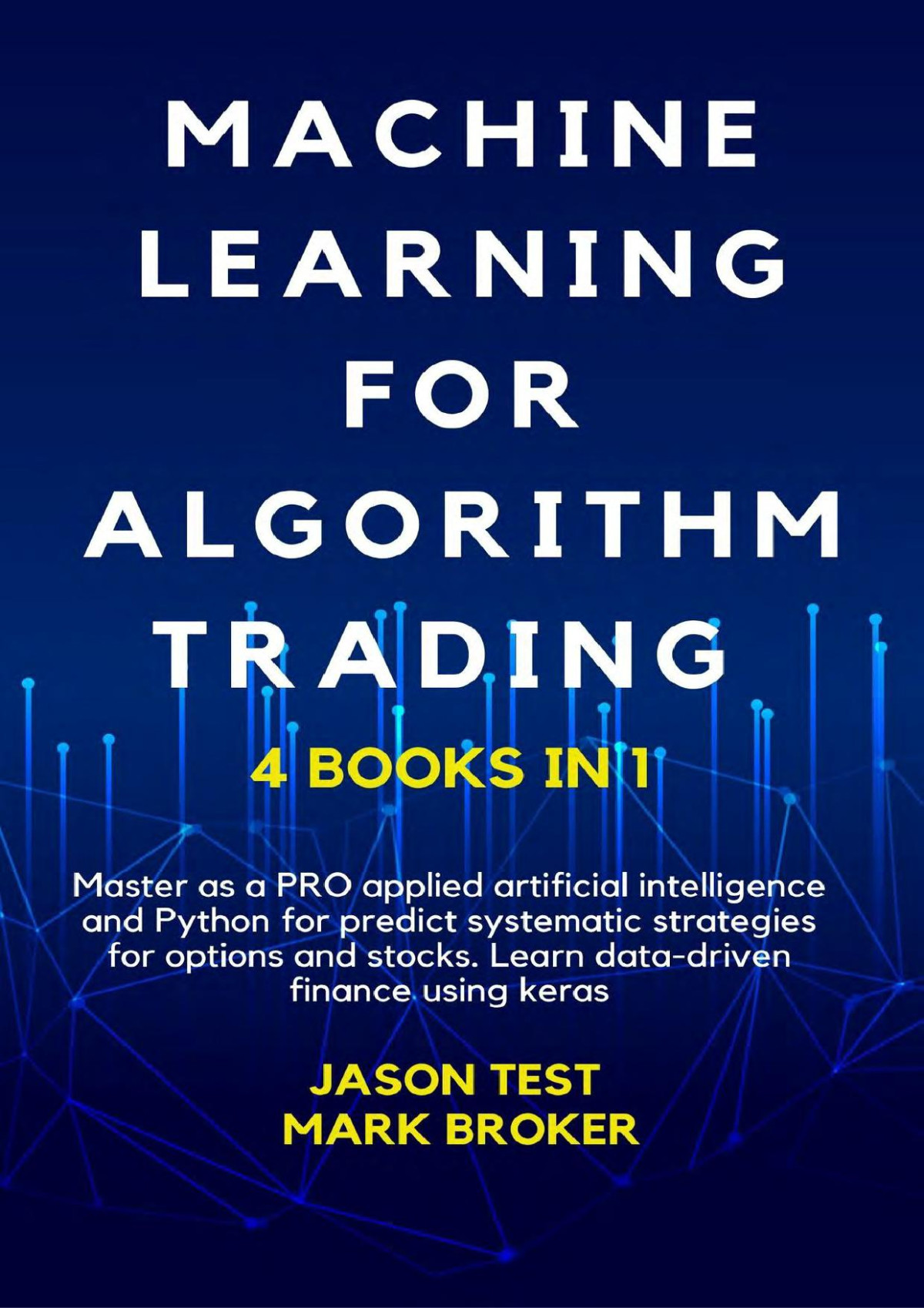
4.6
28 reviews
4.4
27 reviews