
Most ebook files are in PDF format, so you can easily read them using various software such as Foxit Reader or directly on the Google Chrome browser.
Some ebook files are released by publishers in other formats such as .awz, .mobi, .epub, .fb2, etc. You may need to install specific software to read these formats on mobile/PC, such as Calibre.
Please read the tutorial at this link. https://ebooknice.com/page/post?id=faq
We offer FREE conversion to the popular formats you request; however, this may take some time. Therefore, right after payment, please email us, and we will try to provide the service as quickly as possible.
For some exceptional file formats or broken links (if any), please refrain from opening any disputes. Instead, email us first, and we will try to assist within a maximum of 6 hours.
EbookNice Team
Status:
Available4.9
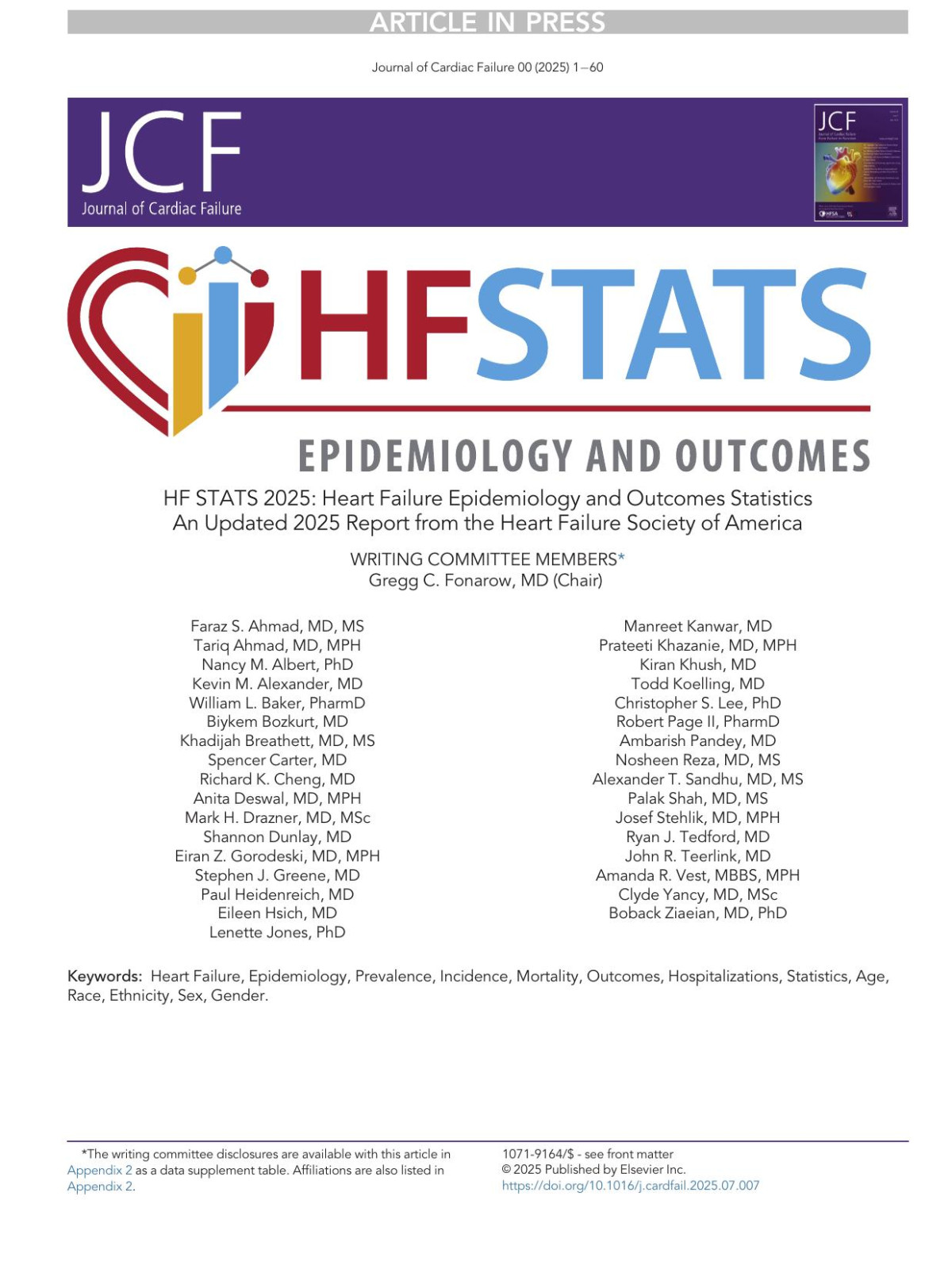
31 reviewsThis comprehensive report from the Journal of Cardiac Failure, "HF STATS 2025," provides a critical and sobering update on heart failure epidemiology and outcomes in the United States. Authored by a prestigious committee chaired by Dr. Gregg C. Fonarow, it synthesizes vast data to highlight a pressing public health crisis.
Key takeaways are alarming: HF prevalence is projected to rise dramatically to 11.4 million Americans by 2050, with a staggering 1 in 4 individuals facing a lifetime risk. Mortality rates, which had previously declined, have been increasing since 2012, a trend exacerbated by the COVID-19 pandemic. The report powerfully underscores profound racial and ethnic disparities, with Black, American Indian, and Alaska Native individuals experiencing the highest mortality and hospitalization rates.
The review is commendable for its expanded scope, including new sections on advanced HF (Stage C2D), specific cardiomyopathies (cardiac amyloidosis, HCM), and the cardiovascular-kidney-metabolic (CKM) syndrome. It also delivers a crucial message on the suboptimal implementation of guideline-directed medical therapy, noting that less than a quarter of eligible HFrEF patients receive quadruple therapy, representing a massive lost opportunity to save lives.
Ultimately, HF STATS 2025 is an essential, data-driven call to action. It clearly outlines the growing burden of HF, persistent inequities in care and outcomes, and the urgent need for improved prevention, guideline implementation, and further research to reverse these concerning trends.
4.3
15 reviews
5.0
14 reviews

5.0
38 reviews

4.8
35 reviews
4.7
24 reviews
4.4
41 reviews