
Most ebook files are in PDF format, so you can easily read them using various software such as Foxit Reader or directly on the Google Chrome browser.
Some ebook files are released by publishers in other formats such as .awz, .mobi, .epub, .fb2, etc. You may need to install specific software to read these formats on mobile/PC, such as Calibre.
Please read the tutorial at this link. https://ebooknice.com/page/post?id=faq
We offer FREE conversion to the popular formats you request; however, this may take some time. Therefore, right after payment, please email us, and we will try to provide the service as quickly as possible.
For some exceptional file formats or broken links (if any), please refrain from opening any disputes. Instead, email us first, and we will try to assist within a maximum of 6 hours.
EbookNice Team
Status:
Available4.3
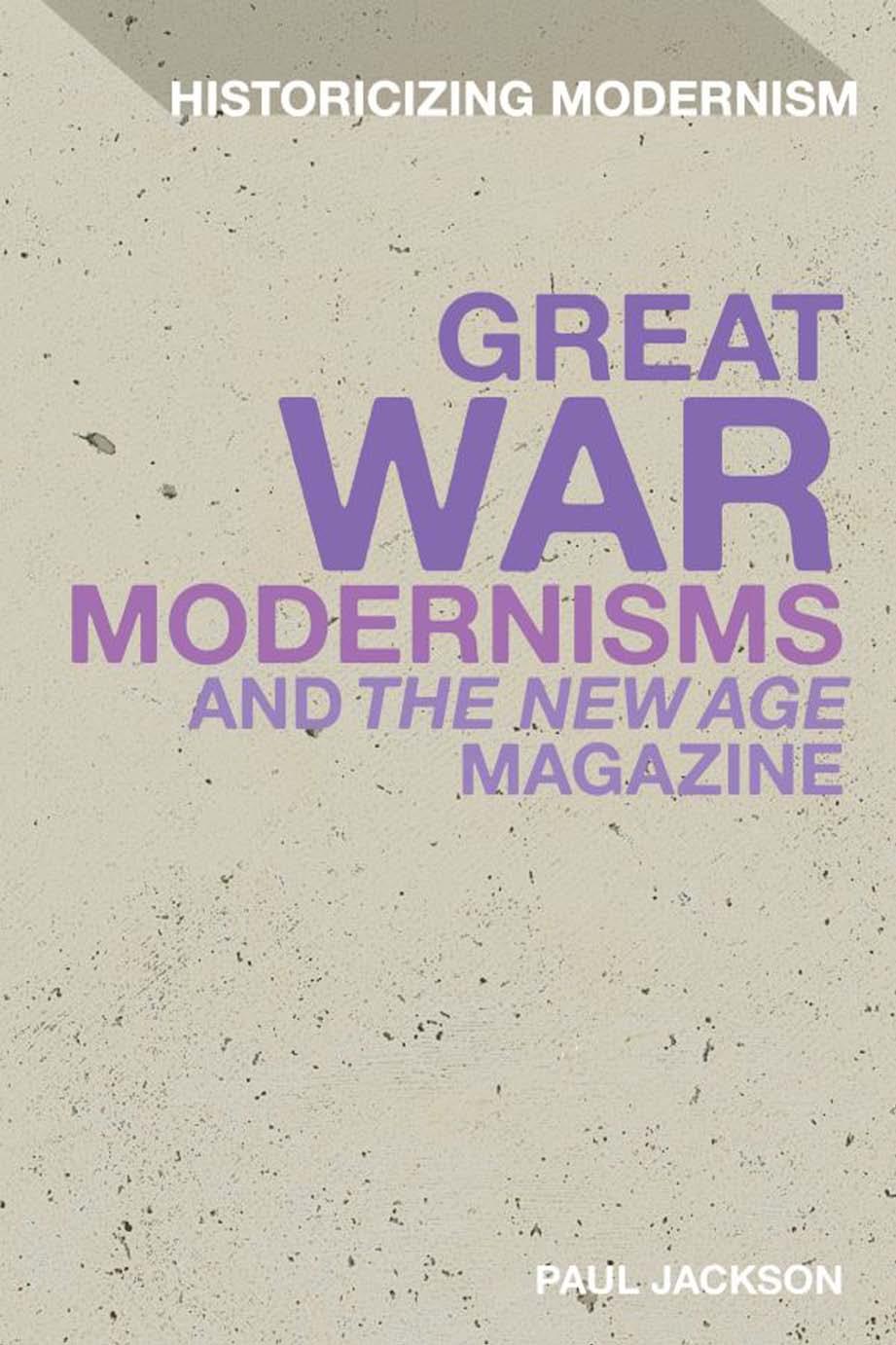
6 reviewsThe literary magazine The New Age brought together a diverse set of intellectuals. Against the backdrop of the First World War, they chose to write about more than modernist art and aesthetics. By closely reading and contextualizing their contributions, Paul Jackson's study engages with the political and philosophical responses of literary artists to modernity. Jackson demonstrates the need to interpret modernism not merely as an aesthetic phenomenon, but inherently linked to politics and philosophy.
By placing the writing of a canonical modernist, Wyndham Lewis, against a figure usually excluded from the modernist canon, H.G. Wells, Jackson examines further a wartime modernism that embraced socialist and political views. This reinterpretation of modernism provides a historicised understanding of the politicised hopes of artists promoting revolutionary forms of cultural renewal. Considering modernist writers' relationship between politics, philosophy and aesthetics in the context of total war Jackson encourages new cultural-historical definitions of modernism. In addition this study provides the first close analysis of cultural contributions from a leading wartime Little Magazine, tracing the radical modernist debates that developed in its pages.
4.7
13 reviews
4.4
32 reviews
5.0
15 reviews
4.6
25 reviews
4.8
27 reviews
4.6
18 reviews
4.6
15 reviews