
Most ebook files are in PDF format, so you can easily read them using various software such as Foxit Reader or directly on the Google Chrome browser.
Some ebook files are released by publishers in other formats such as .awz, .mobi, .epub, .fb2, etc. You may need to install specific software to read these formats on mobile/PC, such as Calibre.
Please read the tutorial at this link. https://ebooknice.com/page/post?id=faq
We offer FREE conversion to the popular formats you request; however, this may take some time. Therefore, right after payment, please email us, and we will try to provide the service as quickly as possible.
For some exceptional file formats or broken links (if any), please refrain from opening any disputes. Instead, email us first, and we will try to assist within a maximum of 6 hours.
EbookNice Team
Status:
Available4.7
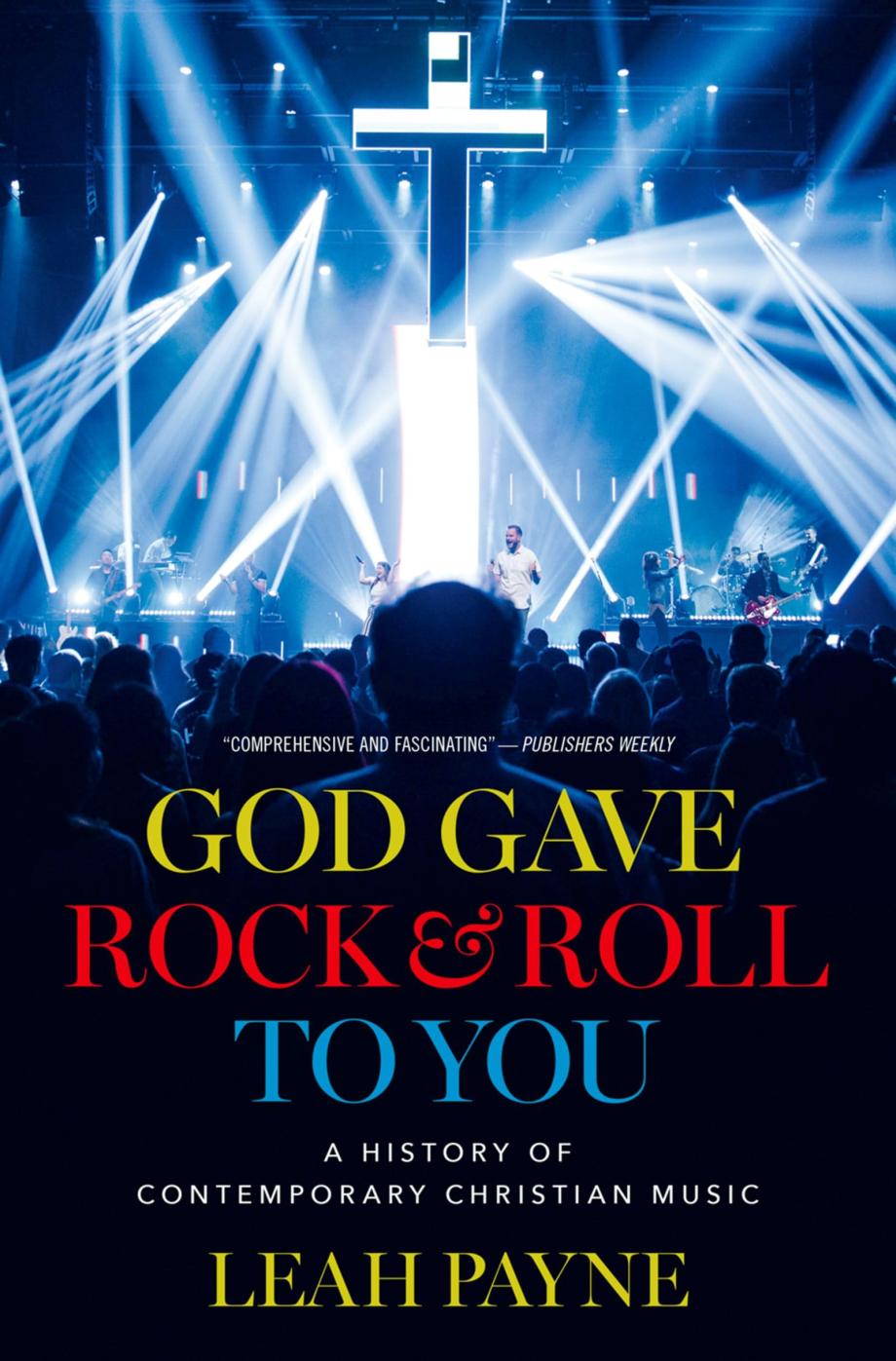
41 reviewsSalvation came in a most unlikely form. Long hair, beards, and sandals were still a far cry from the buttoned-up, conservative Protestantism they were striving to preserve. Yet when a revival swept through hippie communities of the West Coast in the 1960s and 1970s a new alternative emerged. Known as the Jesus Movement—and its members, more colloquially, as "Jesus freaks"—the revival was short-lived. But by combining the rock and folk music of the counterculture with religious ideas and aims of conservative white evangelicals, Jesus freaks and evangelical media moguls gave birth to an entire genre known as Contemporary Christian Music (CCM). By the 1980s and 1990s, CCM had grown into a massive, multimillion-dollar industry. Contemporary Christian artists were appearing on Top 40 radio, and some, most famously Amy Grant, crossed over into the mainstream. And yet, today, the industry is a shadow of what it once was.
Leah Payne traces the history and trajectory of CCM in America and demonstrates how the industry, its artists, and its fans shaped—and continue to shape—conservative, (mostly) white, evangelical Protestantism. For many observers, evangelical pop stars, interpretive dancers, puppeteers, mimes, and bodybuilders are silly expressions of kitsch. Yet Payne argues that these cultural products were sources of power, meaning, and political activism. Payne concludes that CCM spurred evangelical activism in more potent and lasting ways than any particular doctrine, denomination, culture war, or legislative agenda had before.
4.9
38 reviews

4.6
37 reviews
4.4
18 reviews

4.6
14 reviews
4.8
33 reviews
4.5
10 reviews
4.9
7 reviews