
Most ebook files are in PDF format, so you can easily read them using various software such as Foxit Reader or directly on the Google Chrome browser.
Some ebook files are released by publishers in other formats such as .awz, .mobi, .epub, .fb2, etc. You may need to install specific software to read these formats on mobile/PC, such as Calibre.
Please read the tutorial at this link. https://ebooknice.com/page/post?id=faq
We offer FREE conversion to the popular formats you request; however, this may take some time. Therefore, right after payment, please email us, and we will try to provide the service as quickly as possible.
For some exceptional file formats or broken links (if any), please refrain from opening any disputes. Instead, email us first, and we will try to assist within a maximum of 6 hours.
EbookNice Team
Status:
Available5.0
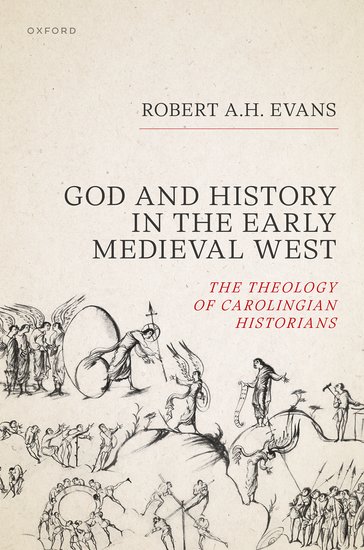
20 reviewsSeeking to fill this historiographical gap, this book explores, through the prolific writing of historians in the Carolingian Empire, how historians in early medieval societies thought about God and what this meant for themselves and their audiences. It argues that although Carolingian historians wrote about God's agency with tremendous literary subtlety, while reflecting complex theological ideas and attempting to intervene into challenging political realities, in many respects they also broke with the example of early Christian historians from Late Antiquity, which demonstrates that writing about God was neither a uniform nor inevitable part of early medieval history writing.
As well as yielding new insights into the nature of these crucial primary sources, this analysis helps to provide an overdue examination of the complex relationship between religion and history writing in early medieval societies. The book demonstrates that comments about God cannot be reduced to mere political propaganda or even moralistic encouragements for early medieval Christians to lead better lives. Instead, it argues that these historians sought to communicate a robust theology of divine activity which was relevant and useful for those involved in the often-threatening world of Carolingian public life.
4.7
17 reviews
5.0
37 reviews
4.6
26 reviews
5.0
20 reviews
4.6
34 reviews
4.7
30 reviews
4.4
34 reviews
4.5
16 reviews
5.0
24 reviews