
Most ebook files are in PDF format, so you can easily read them using various software such as Foxit Reader or directly on the Google Chrome browser.
Some ebook files are released by publishers in other formats such as .awz, .mobi, .epub, .fb2, etc. You may need to install specific software to read these formats on mobile/PC, such as Calibre.
Please read the tutorial at this link. https://ebooknice.com/page/post?id=faq
We offer FREE conversion to the popular formats you request; however, this may take some time. Therefore, right after payment, please email us, and we will try to provide the service as quickly as possible.
For some exceptional file formats or broken links (if any), please refrain from opening any disputes. Instead, email us first, and we will try to assist within a maximum of 6 hours.
EbookNice Team
Status:
Available0.0
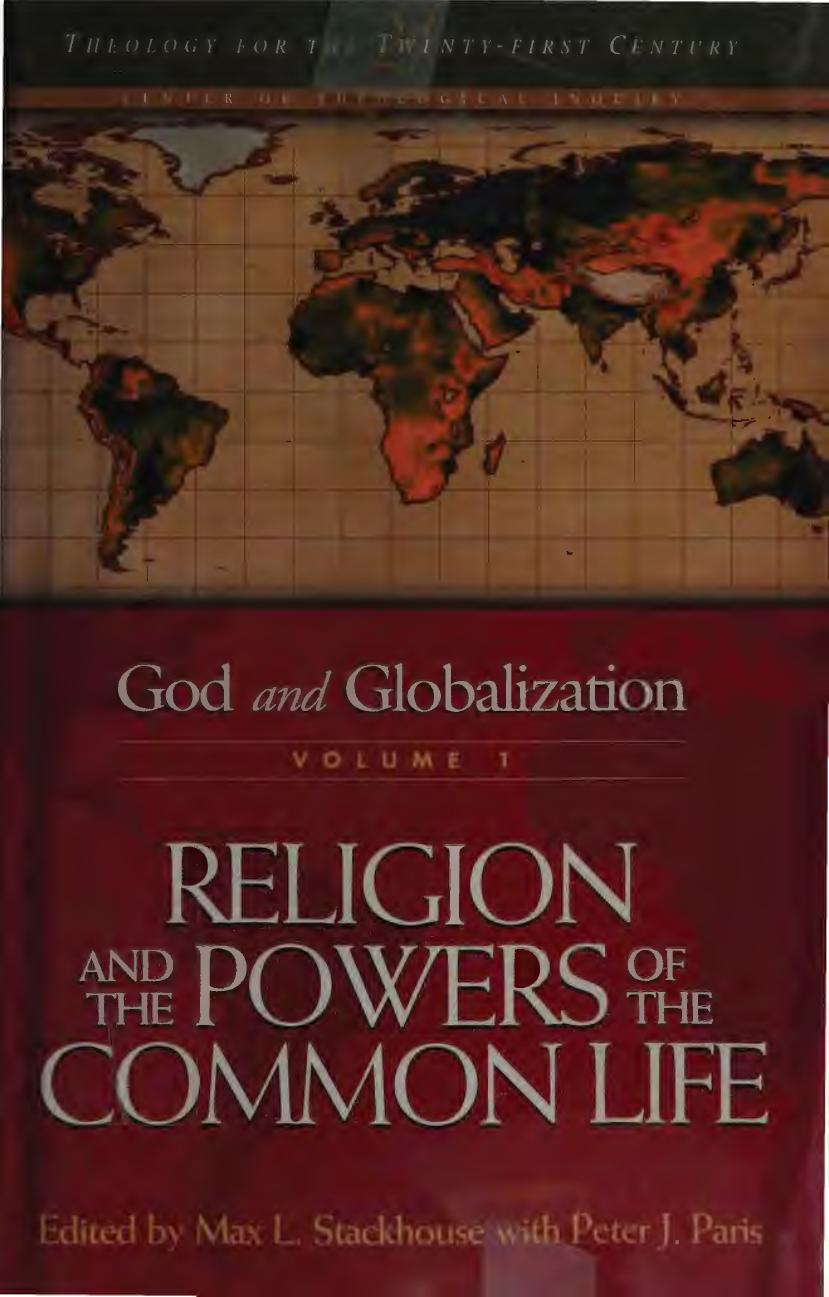
0 reviewsAt the same time, however, this process threatens to destroy the values, norms, and ideals that particular cultures have wrought and established and to thereby diminish the power of each culture's unique identity. As globalization occurs, society must decide which values will be normative and what roles that social institutions like religion and education will play in selecting and fostering these values. The contributors to this volume examine both the promise and the threat of globalization using the tools of theological ethics to understand and evaluate the "social contexts of life at the deepest moral and spiritual levels."
This inaugural volume of a projected four volume series, Theology for the 21st Century: God and Globalization, examines five spheres of life-economics (Mammon), political science (Mars), psychology and sexuality (Eros), the mass media and the arts (Muses), and religion-that foster normative values for society. As the writers argue, their efforts attempt to determine whether "God is behind globalization in any substantive way."
Contributors to the volume include: Roland Robertson, University of Pittsburgh; Yersu Kim, UNESCO; Donald W. Shriver, Jr., New York; William Schweiker, University of Chicago; Mary Stewart Van Leeuwen, Eastern College; David Tracy, University of Chicago. Max L. Stackhouse teaches at Princeton Theological Seminary and is the author of Covenant and Commitments: Faith, Family, and Economic. Peter Paris teaches at Princeton Theological Seminary.
5.0
8 reviews
4.6
19 reviews

4.7
7 reviews
4.5
27 reviews
4.9
27 reviews
4.9
25 reviews
4.4
28 reviews
4.6
18 reviews