
Most ebook files are in PDF format, so you can easily read them using various software such as Foxit Reader or directly on the Google Chrome browser.
Some ebook files are released by publishers in other formats such as .awz, .mobi, .epub, .fb2, etc. You may need to install specific software to read these formats on mobile/PC, such as Calibre.
Please read the tutorial at this link. https://ebooknice.com/page/post?id=faq
We offer FREE conversion to the popular formats you request; however, this may take some time. Therefore, right after payment, please email us, and we will try to provide the service as quickly as possible.
For some exceptional file formats or broken links (if any), please refrain from opening any disputes. Instead, email us first, and we will try to assist within a maximum of 6 hours.
EbookNice Team
Status:
Available0.0
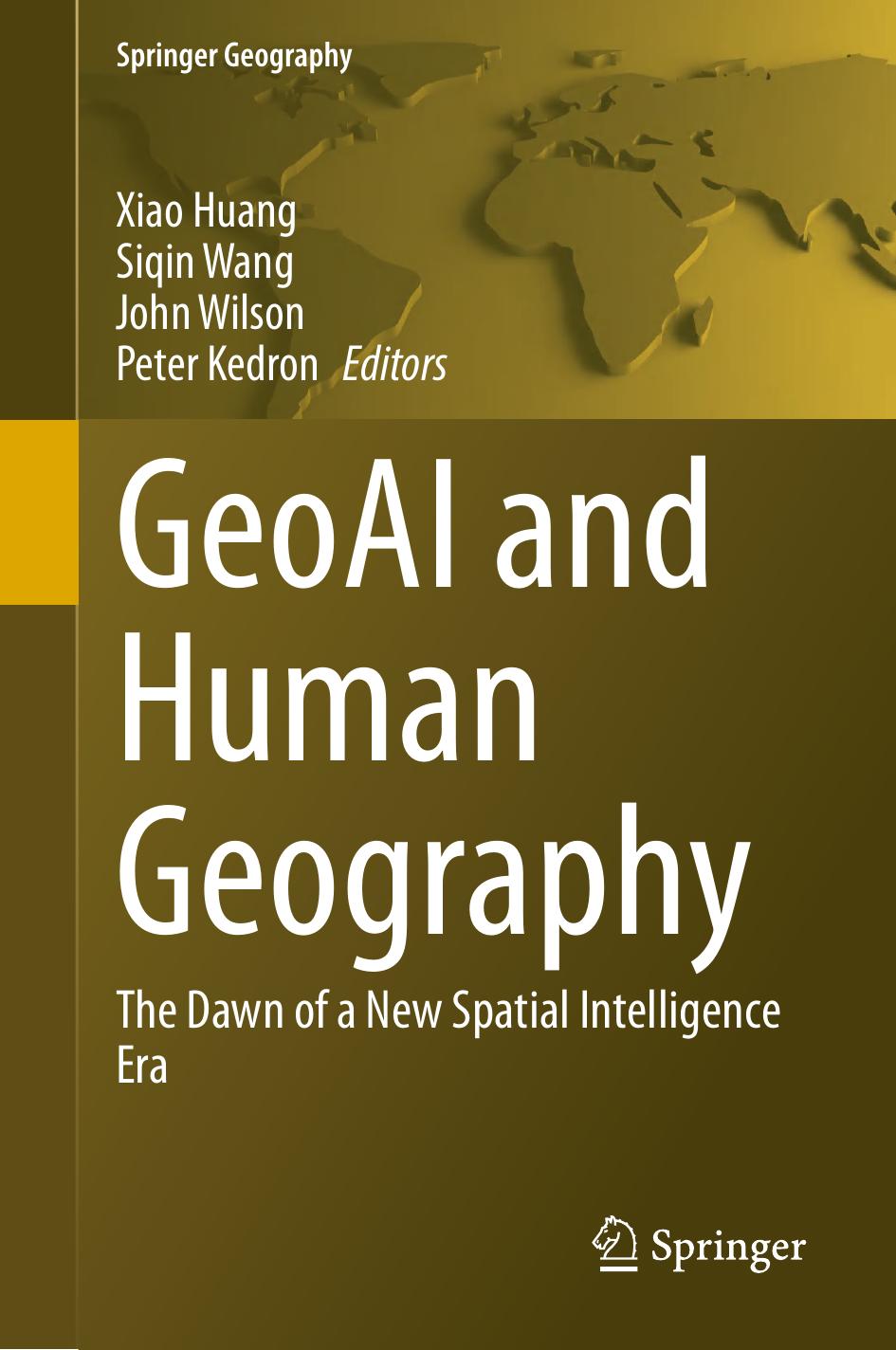
0 reviewsThis volume encompasses 28 chapters that illustrate how these innovations unfold across a broad spectrum of themes. Early chapters introduce the essential frameworks of human geography in the context of the GeoAI era. Subsequent chapters describe major methodological breakthroughs, from explainable AI in spatial analysis to the use of natural language processing for interpreting textual data, to human-centered computer vision for urban sensing, to advances in social network analysis and high-performance computing for large-scale geospatial problems.
Another large part of this book focuses on traditional branches of human geography—cultural, economic, political, health, tourism, cartography, transport, and urban studies—illustrating how each area is adopting GeoAI tools to enrich understanding and generate new insights. Several chapters are dedicated onto topics such as identifying gentrification by synthesizing physical and socioeconomic data, probing the spatial biases of generative AI models, fostering ethical and sustainable approaches to geospatial decision-making, and examining the political dimensions that shape the production and application of spatial knowledge.
The final chapters articulate a forward-looking stance on how GeoAI may continue to influence human geography, urging scholars, practitioners, and policymakers to harness its power responsibly and equitably.
4.5
31 reviews
4.7
33 reviews
4.3
33 reviews
4.6
38 reviews
4.9
37 reviews
4.6
8 reviews

4.9
27 reviews
4.3
30 reviews