Most ebook files are in PDF format, so you can easily read them using various software such as Foxit Reader or directly on the Google Chrome browser.
Some ebook files are released by publishers in other formats such as .awz, .mobi, .epub, .fb2, etc. You may need to install specific software to read these formats on mobile/PC, such as Calibre.
Please read the tutorial at this link. https://ebooknice.com/page/post?id=faq
We offer FREE conversion to the popular formats you request; however, this may take some time. Therefore, right after payment, please email us, and we will try to provide the service as quickly as possible.
For some exceptional file formats or broken links (if any), please refrain from opening any disputes. Instead, email us first, and we will try to assist within a maximum of 6 hours.
EbookNice Team
Status:
Available0.0
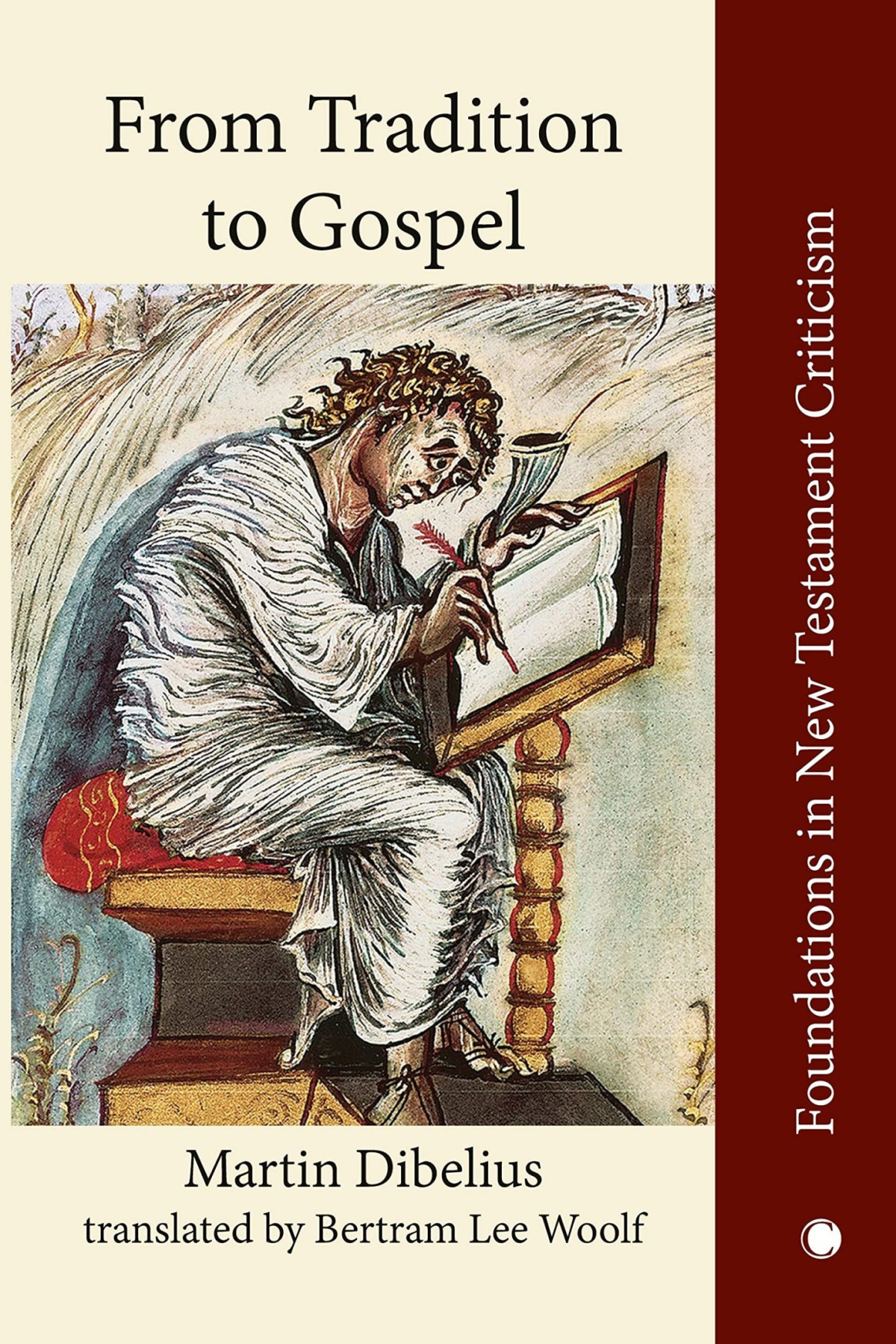
0 reviewsThe method of Formgeschichte seeks to help in answering the historical questions as to the nature and trustworthiness of our knowledge of Jesus, and also in solving a theological problem properly so-called. It shows in what way the earliest testimony about Jesus was interwoven with the earliest testimony about the salvation which had appeared in Jesus Christ. Thereby it attempts to emphasise and illuminate the chief elements of the message upon which Christianity was founded." From the Author's Preface Ably translated by Bertram Lee-Woolf, this is the classic exposition of the German school of theology known as Formgeschichte or "the criticism of literary form", which through literary and historical analysis seeks to understand the origins of the traditions of the New Testament, and in so doing bring to light the original intentions and interests of those earliest traditions.
Fascinating, with its extraordinarily able analysis of folk-stories in general and of the Gospel material in particular ... we rejoice to have accessible in English so brilliantly written a work.Living ChurchThe best introduction to form criticism.Frederick C. Grant --This text refers to an alternate kindle_edition edition.
After originally specialising in Semitic philology, Martin Dibelius (1883-1947) was appointed Professor of New Testament Exegesis and Criticism at the University of Heidelberg in 1915. He combined this with practical concerns within the Church; he was a member of the 1927 World Conference on Faith and Order at Lausanne, and served as Vice-Chairman of the Theological Committee of the Universal Christian Council for Life and Work. His scholarship was dominated by a focus on the ethical statements found in the New Testament and other early Christian writings. --This text refers to an alternate kindle_edition edition.

4.9
22 reviews
4.5
39 reviews
4.7
40 reviews
4.8
10 reviews
4.4
11 reviews
4.7
31 reviews