Most ebook files are in PDF format, so you can easily read them using various software such as Foxit Reader or directly on the Google Chrome browser.
Some ebook files are released by publishers in other formats such as .awz, .mobi, .epub, .fb2, etc. You may need to install specific software to read these formats on mobile/PC, such as Calibre.
Please read the tutorial at this link. https://ebooknice.com/page/post?id=faq
We offer FREE conversion to the popular formats you request; however, this may take some time. Therefore, right after payment, please email us, and we will try to provide the service as quickly as possible.
For some exceptional file formats or broken links (if any), please refrain from opening any disputes. Instead, email us first, and we will try to assist within a maximum of 6 hours.
EbookNice Team
Status:
Available4.6
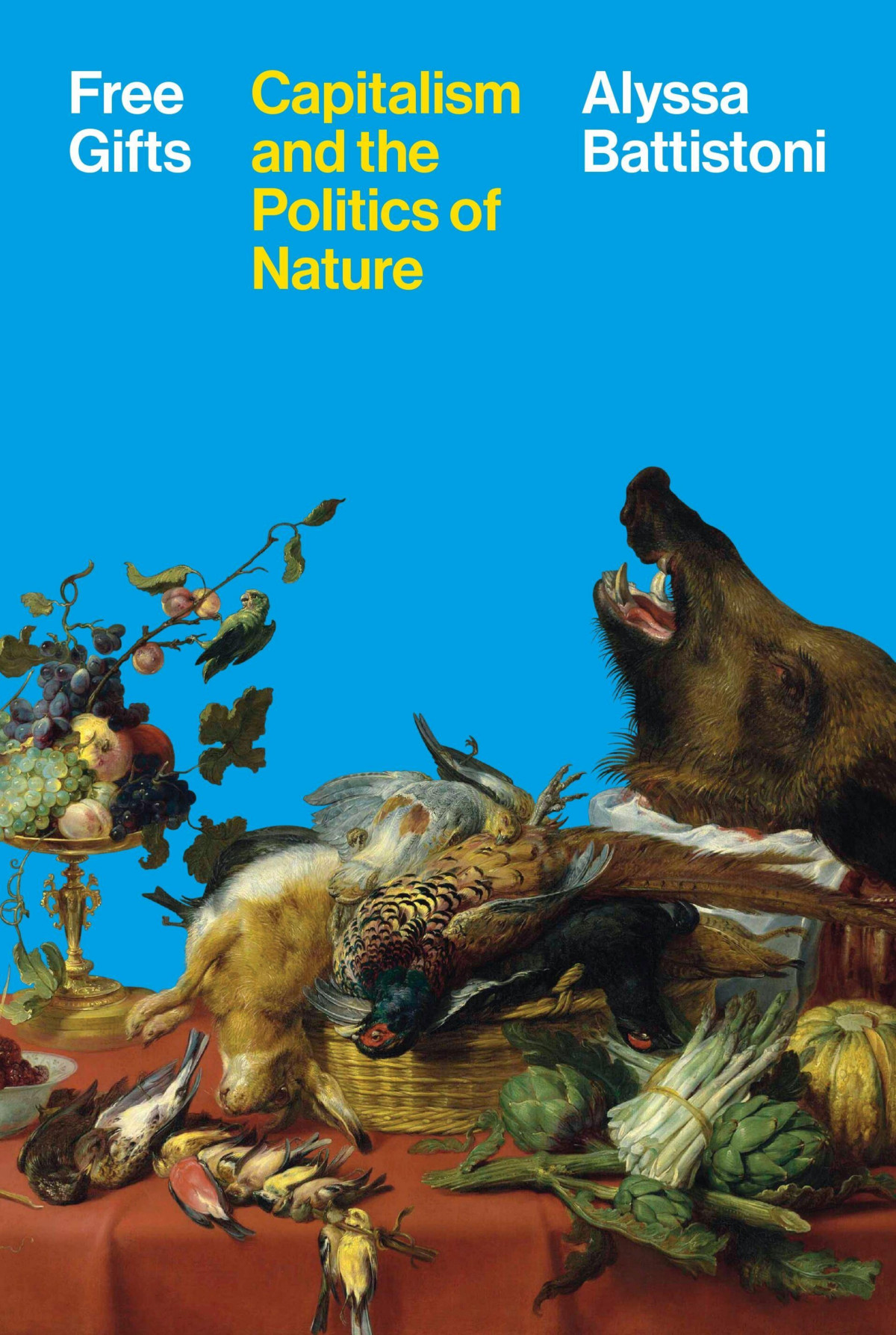
12 reviewsCapitalism is typically treated as a force for relentless commodification. Yet it consistently fails to place value on vital aspects of the nonhuman world, whether carbon emissions or entire ecosystems. In Free Gifts, Alyssa Battistoni explores capitalism’s persistent failure to value nature, arguing that the key question is not the moral issue of why some kinds of nature shouldn’t be commodified, but the economic puzzle of why they haven’t been. To understand contemporary ecological problems from biodiversity collapse to climate change, she contends, we have to understand how some things come to have value under capitalism—and how others do not. To help us do so, Battistoni recovers and reinterprets the idea of the free gift of nature used by classical economic thinkers to describe what we gratuitously obtain from the natural world, and builds on Karl Marx’s critique of political economy to show how capitalism fundamentally treats nature as free for the taking. This novel theory of capitalism’s relationship to nature not only helps us understand contemporary ecological breakdown, but also casts capitalism’s own core dynamics in a new light.
Battistoni addresses four different instances of the free gift in political economic thought, each in a specific domain: natural agents in industry, pollution in the environment, reproductive labor in the household, and natural capital in the biosphere. In so doing, she offers new readings of major twentieth-century thinkers, including Friedrich Hayek, Simone de Beauvoir, Garrett Hardin, Silvia Federici, and Ronald Coase. Ultimately, she offers a novel account of freedom for our ecologically troubled present, developing a materialist existentialism to argue that capitalism limits our ability to be responsible for our relationships to the natural world, and imagining how we might live freely while valuing nature’s gifts.

4.7
12 reviews

4.6
41 reviews
5.0
9 reviews
5.0
10 reviews
4.7
9 reviews