
Most ebook files are in PDF format, so you can easily read them using various software such as Foxit Reader or directly on the Google Chrome browser.
Some ebook files are released by publishers in other formats such as .awz, .mobi, .epub, .fb2, etc. You may need to install specific software to read these formats on mobile/PC, such as Calibre.
Please read the tutorial at this link. https://ebooknice.com/page/post?id=faq
We offer FREE conversion to the popular formats you request; however, this may take some time. Therefore, right after payment, please email us, and we will try to provide the service as quickly as possible.
For some exceptional file formats or broken links (if any), please refrain from opening any disputes. Instead, email us first, and we will try to assist within a maximum of 6 hours.
EbookNice Team
Status:
Available4.9
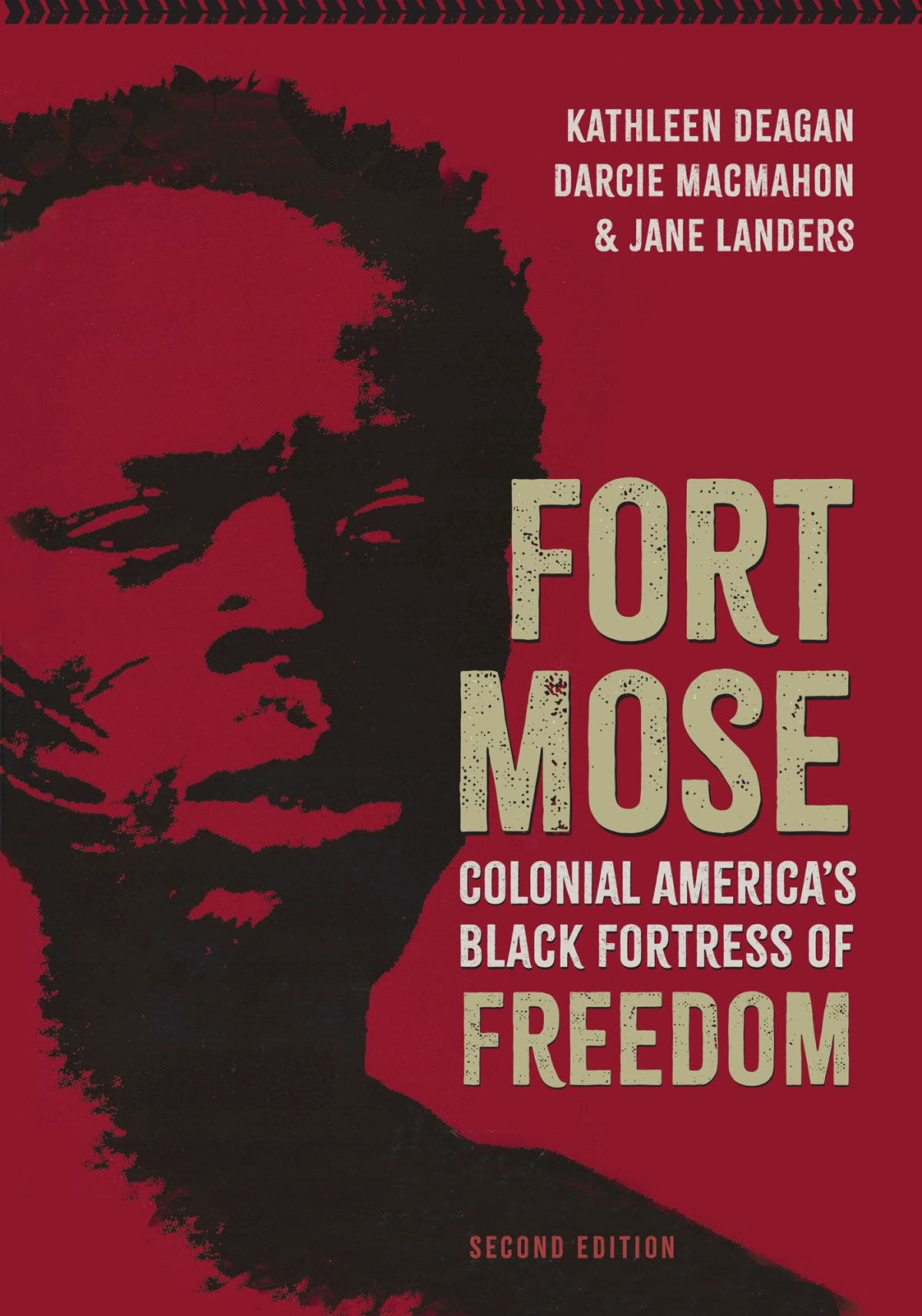
10 reviewsMore than 300 years ago, enslaved people of African descent risked their lives to escape from slavery on English plantations in South Carolina. Hearing that Spaniards in Florida promised religious sanctuary, they made their way south to St. Augustine, Florida. The Spanish established the fort and town of Gracia Real de Santa Teresa de Mose, the first legally sanctioned free Black community in what is now the United States. This book tells the story of Fort Mose and the people who lived there.
Fort Mose traces the roots of this eighteenth-century free Black town from Africa through Iberia and Hispanic America to the colonial southeastern United States. It also tells how archaeologists, historians, local residents, teachers, and politicians worked together in the late twentieth century to bring the rich but neglected history of free Black people in the Spanish colonies to the public. The site of Fort Mose is now a major point on the Florida Black Heritage Trail and has been designated a National Historic Landmark and a UNESCO Site of Memory. Research continues at the location to the present day.
This second edition is updated with new information uncovered about Fort Mose, its inhabitants, and its historical significance. It reflects recent developments in community involvement and preservation at the site. And as the first edition did, it challenges the idea that the American Black colonial experience was only that of slavery, offering a story of a courageous group of people of African descent who realized their vision of self-determination before the American Revolution.
4.5
25 reviews

4.4
41 reviews
5.0
37 reviews
4.3
21 reviews
4.6
6 reviews
4.4
7 reviews