
Most ebook files are in PDF format, so you can easily read them using various software such as Foxit Reader or directly on the Google Chrome browser.
Some ebook files are released by publishers in other formats such as .awz, .mobi, .epub, .fb2, etc. You may need to install specific software to read these formats on mobile/PC, such as Calibre.
Please read the tutorial at this link. https://ebooknice.com/page/post?id=faq
We offer FREE conversion to the popular formats you request; however, this may take some time. Therefore, right after payment, please email us, and we will try to provide the service as quickly as possible.
For some exceptional file formats or broken links (if any), please refrain from opening any disputes. Instead, email us first, and we will try to assist within a maximum of 6 hours.
EbookNice Team
Status:
Available4.7
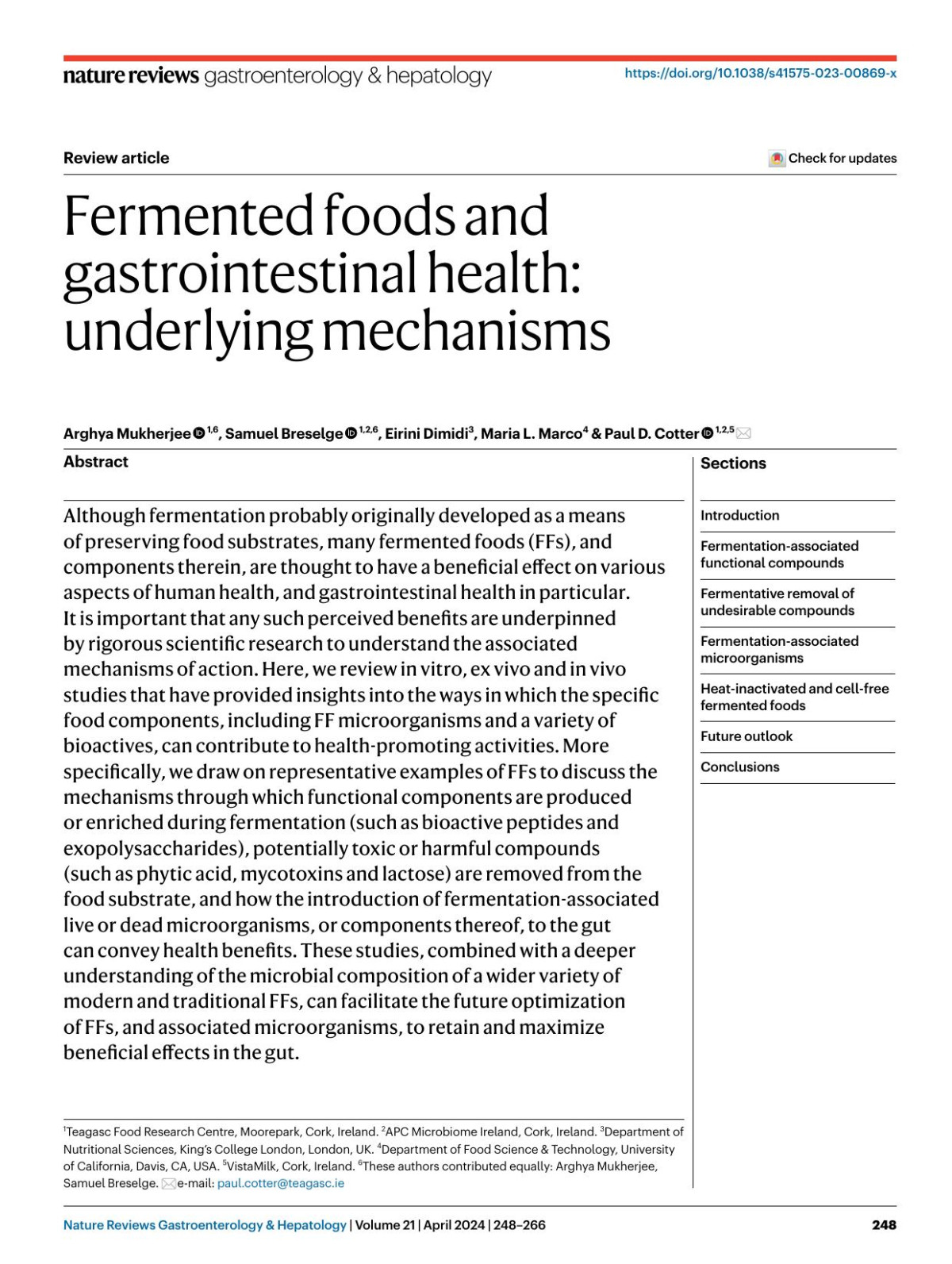
35 reviewsAlthough fermentation probably originally developed as a means Introductionof preserving food substrates, many fermented foods (FFs), and Fermentation-associated components therein, are thought to have a benefcial efect on various functional compoundsaspects of human health, and gastrointestinal health in particular. Fermentative removal of undesirable compoundsIt is important that any such perceived benefts are underpinned by rigorous scientifc research to understand the associated Fermentation-associated microorganismsmechanisms of action. Here, we review in vitro, ex vivo and in vivo studies that have provided insights into the ways in which the specifc Heat-inactivated and cell-free fermented foodsfood components, including FF microorganisms and a variety of Future outlookbioactives, can contribute to health-promoting activities. More specifcally, we draw on representative examples of FFs to discuss the Conclusionsmechanisms through which functional components are produced or enriched during fermentation (such as bioactive peptides and exopolysaccharides), potentially toxic or harmful compounds (such as phytic acid, mycotoxins and lactose) are removed from the food substrate, and how the introduction of fermentation-associated live or dead microorganisms, or components thereof, to the gut can convey health benefts. These studies, combined with a deeper understanding of the microbial composition of a wider variety of modern and traditional FFs, can facilitate the future optimization of FFs, and associated microorganisms, to retain and maximize benefcial efects in the gut.

4.9
32 reviews
4.7
18 reviews
4.5
9 reviews
5.0
9 reviews
4.9
12 reviews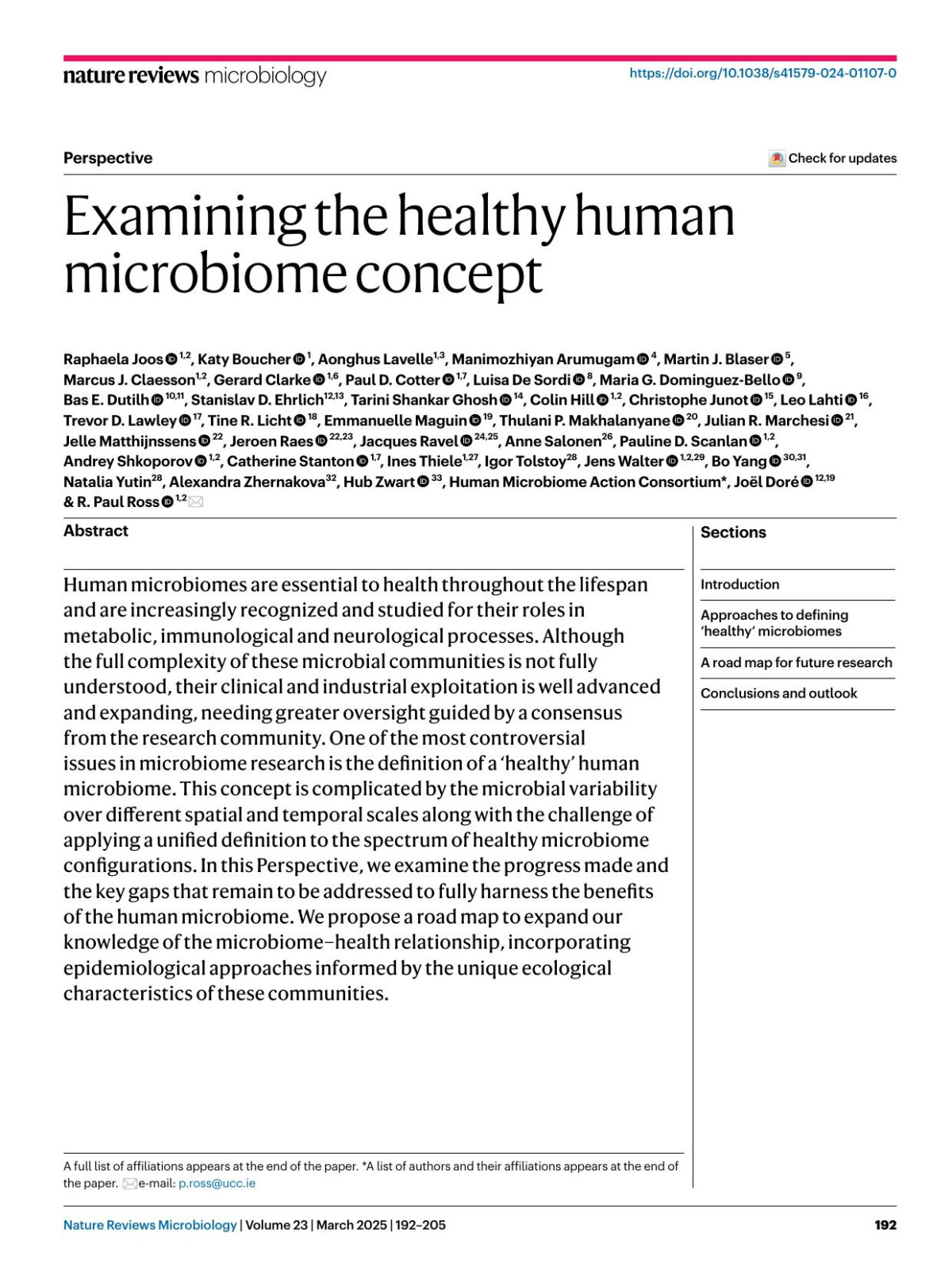
4.7
24 reviews
4.4
31 reviews