
Most ebook files are in PDF format, so you can easily read them using various software such as Foxit Reader or directly on the Google Chrome browser.
Some ebook files are released by publishers in other formats such as .awz, .mobi, .epub, .fb2, etc. You may need to install specific software to read these formats on mobile/PC, such as Calibre.
Please read the tutorial at this link. https://ebooknice.com/page/post?id=faq
We offer FREE conversion to the popular formats you request; however, this may take some time. Therefore, right after payment, please email us, and we will try to provide the service as quickly as possible.
For some exceptional file formats or broken links (if any), please refrain from opening any disputes. Instead, email us first, and we will try to assist within a maximum of 6 hours.
EbookNice Team
Status:
Available4.5
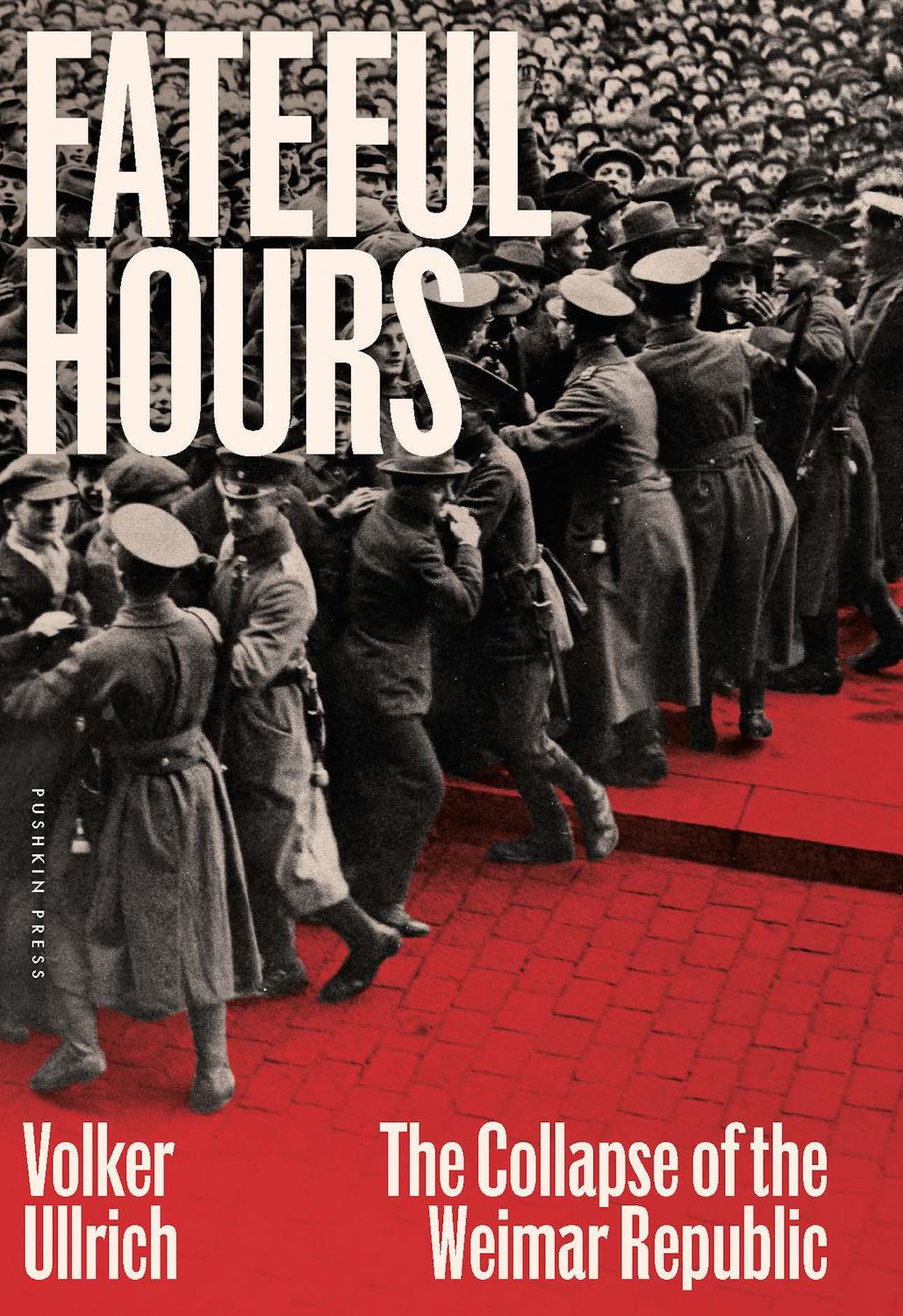
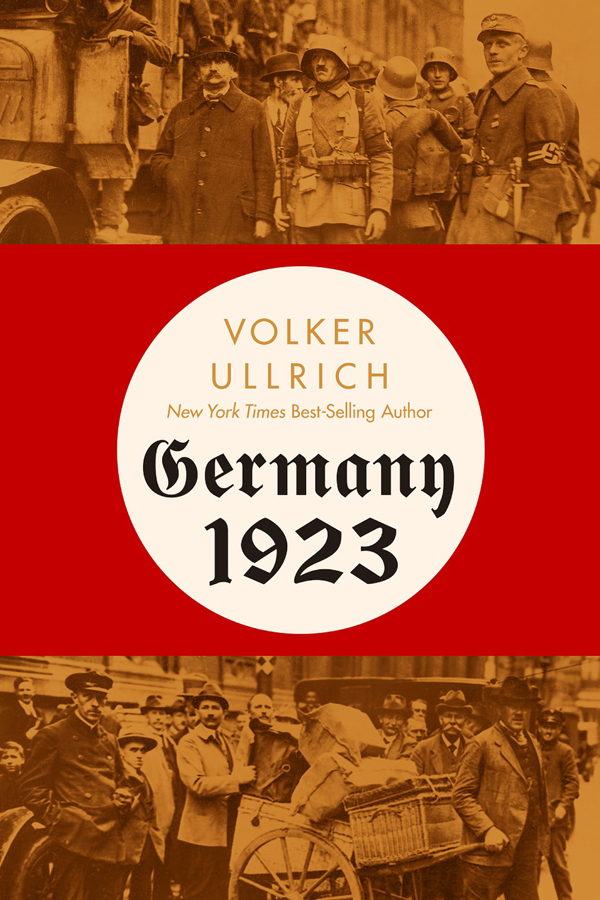
39 reviewsDemocracies are fragile. Freedoms that seem secure can be lost. Few historical events illustrate this as vividly as the failure of the Weimar Republic. Germany’s first democracy endured for fourteen tumultuous years and culminated with the horrific rise of the Third Reich. As one commentator wrote in July 1933: Hitler had “won the game with little effort. . . . All he had to do was huff and puff―and the edifice of German politics collapsed like a house of cards.” But this tragedy was not inevitable.
In Fateful Hours, award-winning historian Volker Ullrich chronicles the captivating story of the Republic, capturing a nation and its people teetering on the abyss. Born from the ashes of the First World War, the fledgling democracy was saddled with debt and political instability from its beginning. In its early years, a relentless chain of crises―hyperinflation, foreign invasion, and upheaval from the right and left―shook the republic, only letting up during a brief period of stability in the 1920s. Social and cultural norms were upended. Political murder was the order of the day. Yet despite all the challenges, the Weimar Republic was not destined for its ignoble end.
Drawing on letters, memoirs, newspaper articles, and other sources, Ullrich charts the many failed alternatives and missed opportunities that contributed to German democracy’s collapse. In an immersive style that takes us to the heart of political power, Ullrich argues that, right up until January 1933, history was open. There was no shortage of opportunities to stop the slide into fascism. Just as in the present, it is up to us whether democracy lives or dies.
36 black-and-white illustrations
4.5
32 reviews
5.0
23 reviews
4.7
36 reviews
4.3
12 reviews
4.3
19 reviews
4.6
7 reviews
4.8
23 reviews