
Most ebook files are in PDF format, so you can easily read them using various software such as Foxit Reader or directly on the Google Chrome browser.
Some ebook files are released by publishers in other formats such as .awz, .mobi, .epub, .fb2, etc. You may need to install specific software to read these formats on mobile/PC, such as Calibre.
Please read the tutorial at this link. https://ebooknice.com/page/post?id=faq
We offer FREE conversion to the popular formats you request; however, this may take some time. Therefore, right after payment, please email us, and we will try to provide the service as quickly as possible.
For some exceptional file formats or broken links (if any), please refrain from opening any disputes. Instead, email us first, and we will try to assist within a maximum of 6 hours.
EbookNice Team
Status:
Available4.6
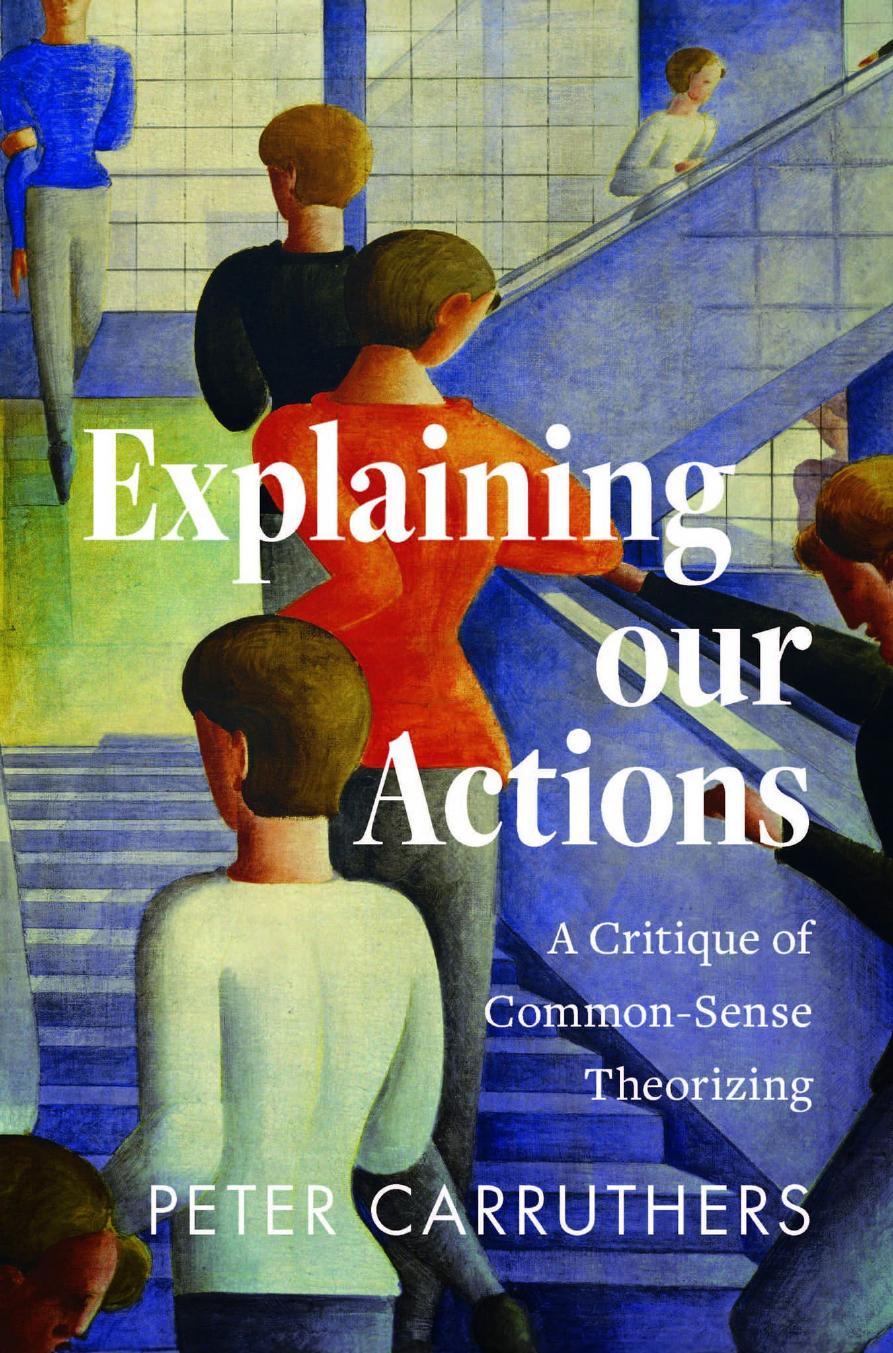
22 reviewsWe often explain our actions and those of others using a commonsense framework of perceptions, beliefs, desires, emotions, decisions, and intentions. In his thoughtful new book, Peter Carruthers scrutinizes this everyday explanation for our actions, while also examining the explanatory framework through the lens of cutting-edge cognitive science. He shows that the 'standard model' of belief-desire psychology (developed, in fact, with scant regard for science) is only partly valid; that there are more types of action and action-explanation than the model allows; and that both ordinary folk and armchair philosophers are importantly mistaken about the types of mental state that the human mind contains. His book will be of great value to all those who rely in their work on assumptions drawn from commonsense psychology, whether in philosophy of mind, epistemology, moral psychology, ethics, or psychology itself. It will also be attractive to anyone with an interest in human motivation.
Review
‘A thorough tour of the philosophy of psychology, from the standard model of commonsense psychology on which philosophers have long relied through to the picture provided by the best of contemporary cognitive science. As a pioneer of research in this area, Carruthers serves as an ideal guide. He offers a comprehensive assessment of the challenges and opportunities for philosophers in the interdisciplinary activity of explaining action. An essential read for anyone wanting a sense of philosophy of psychology, where it's been, and where it's headed.' Sarah Robins, Purdue University
‘A mammoth achievement: Explaining our Actions draws together findings from disparate fields in psychology and shows how they fit together into a comprehensive theory of action. In a refreshingly concise treatment, the book ranges from rapid Pavlovian responses, through habits, reinforcement learning, and the emotions, to planning, intentions, and judgment. It will be an indispensable resource for philosophers

4.6
18 reviews
4.7
6 reviews
5.0
34 reviews
4.7
27 reviews
4.5
6 reviews
4.7
33 reviews
4.7
34 reviews
4.8
8 reviews
4.6
28 reviews
4.5
26 reviews