logo
Product categories

EbookNice.com

Most ebook files are in PDF format, so you can easily read them using various software such as Foxit Reader or directly on the Google Chrome browser.
Some ebook files are released by publishers in other formats such as .awz, .mobi, .epub, .fb2, etc. You may need to install specific software to read these formats on mobile/PC, such as Calibre.

Please read the tutorial at this link.  https://ebooknice.com/page/post?id=faq


We offer FREE conversion to the popular formats you request; however, this may take some time. Therefore, right after payment, please email us, and we will try to provide the service as quickly as possible.


For some exceptional file formats or broken links (if any), please refrain from opening any disputes. Instead, email us first, and we will try to assist within a maximum of 6 hours.

EbookNice Team
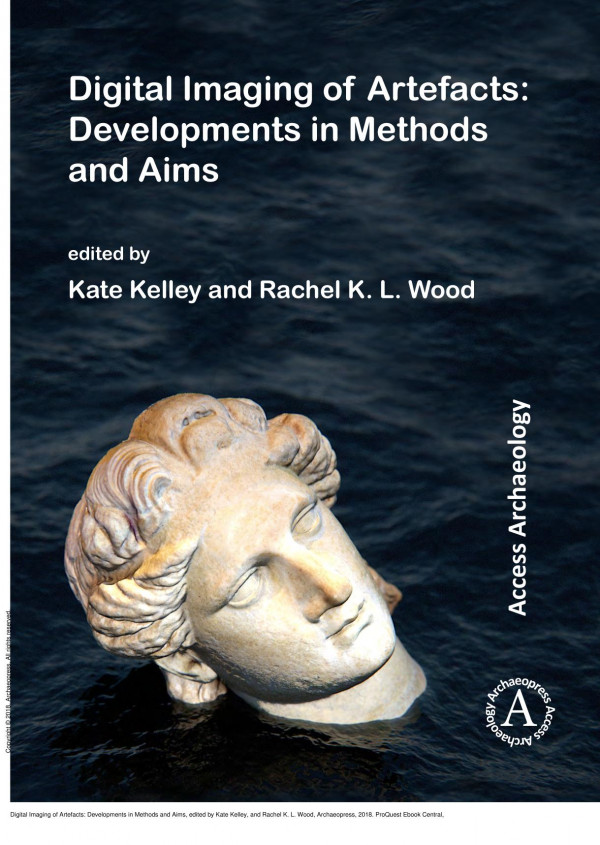
(Ebook) Digital Imaging of Artefacts: Developments in Methods and Aims by Kate Kelley; Rachel K. L. Wood ISBN 9781789690262, 1789690269

  • SKU: EBN-51701434
Zoomable Image
$ 32 $ 40 (-20%)

Status:

Available

4.8

16 reviews
Instant download (eBook) Digital Imaging of Artefacts: Developments in Methods and Aims after payment.
Authors:Kate Kelley; Rachel K. L. Wood
Pages:196 pages.
Year:2018
Editon:1
Publisher:Archaeopress
Language:english
File Size:11.08 MB
Format:pdf
ISBNS:9781789690262, 1789690269
Categories: Ebooks

Product desciption

(Ebook) Digital Imaging of Artefacts: Developments in Methods and Aims by Kate Kelley; Rachel K. L. Wood ISBN 9781789690262, 1789690269

This volume brings together new lines of research across a range of disciplines from participants in a workshop held at Wolfson College, Oxford, on 23rd May 2017. In light of rapid technological developments in digital imaging, the aim in gathering these contributions together is to inform specialist and general readers about some of the ways in which imaging technologies are transforming the study and presentation of archaeological and cultural artefacts. The periods, materials, geography, and research questions under discussion therefore are varied, but the contributions are united in shared interests surrounding the aims of these techniques for imaging objects: what advantages do they offer, whether in research or museum contexts, what limitations are still faced, and how can technological development encourage new types of research and public engagement?
*Free conversion of into popular formats such as PDF, DOCX, DOC, AZW, EPUB, and MOBI after payment.

Related Products